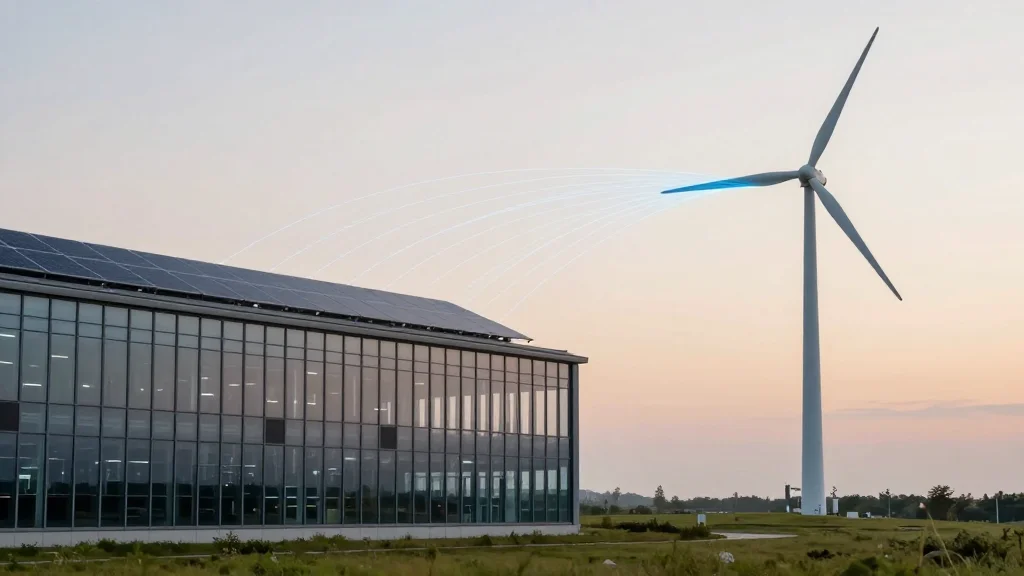
Governor Sherrill Proposes Statewide Controls on AI Data Center Growth
Why It Matters
The policy seeks to prevent ratepayer subsidies for AI infrastructure while ensuring that the state’s power grid can accommodate rapid data‑center growth. It signals a shift toward tighter oversight of high‑energy tech projects, influencing both utility planning and corporate investment strategies.
Key Takeaways
- •New Jersey will require data centers to fund grid upgrades.
- •Mandatory six‑month reporting of electricity and water use proposed.
- •Community benefit agreements to address noise, lighting, and pollution.
- •Labor rules demand local hiring and prevailing wages for AI facilities.
- •Environmental groups push for moratorium; industry backs balanced regulation.
Pulse Analysis
AI‑driven data centers are reshaping the energy landscape, pulling unprecedented power loads onto regional grids. In New Jersey, Governor Mikie Sherrill’s proposal tackles this surge by obligating operators to finance new generation capacity and transmission upgrades, a move that mirrors similar efforts in California and Texas. By tying infrastructure costs directly to the facilities that create them, the state aims to shield residential customers from hidden subsidies while creating a clearer financial roadmap for utilities facing a steep rise in demand.
Beyond the balance sheet, the plan introduces rigorous transparency and community‑impact standards. Semi‑annual reporting of electricity and water consumption will give municipalities real‑time insight into resource use, addressing long‑standing complaints about opaque operations. Mandatory community‑benefit agreements are set to mitigate noise, lighting, and pollution concerns, while also directing a portion of investment back into local neighborhoods. Labor provisions that require local hiring and prevailing wages further embed economic benefits within the host communities, aligning the high‑tech expansion with broader workforce development goals.
The proposal sits at the crossroads of environmental advocacy and industry growth. Environmental groups argue that without a moratorium, AI data centers could lock in additional fossil‑fuel consumption and strain water supplies, urging stricter renewable‑energy mandates. Conversely, business associations welcome a predictable regulatory framework that avoids ad‑hoc local bans. As states grapple with the twin challenges of climate commitments and digital infrastructure, New Jersey’s approach may become a template for balancing clean‑energy ambitions with the practicalities of grid reliability and community welfare.
Governor Sherrill Proposes Statewide Controls on AI Data Center Growth
Comments
Want to join the conversation?
Loading comments...