GPU Renters Are Playing a Silicon Lottery
Why It Matters
Performance gaps translate directly into higher AI training costs, making reliable benchmarking essential for cloud‑based GPU renters.
Key Takeaways
- •H100 PCIe performance varies up to 34.5% across rentals
- •H200 SXM memory bandwidth swings by 38% among identical chips
- •Cooling, configuration, and usage also affect cloud GPU speed
- •Benchmarking each rental with SiliconMark reveals true performance
Pulse Analysis
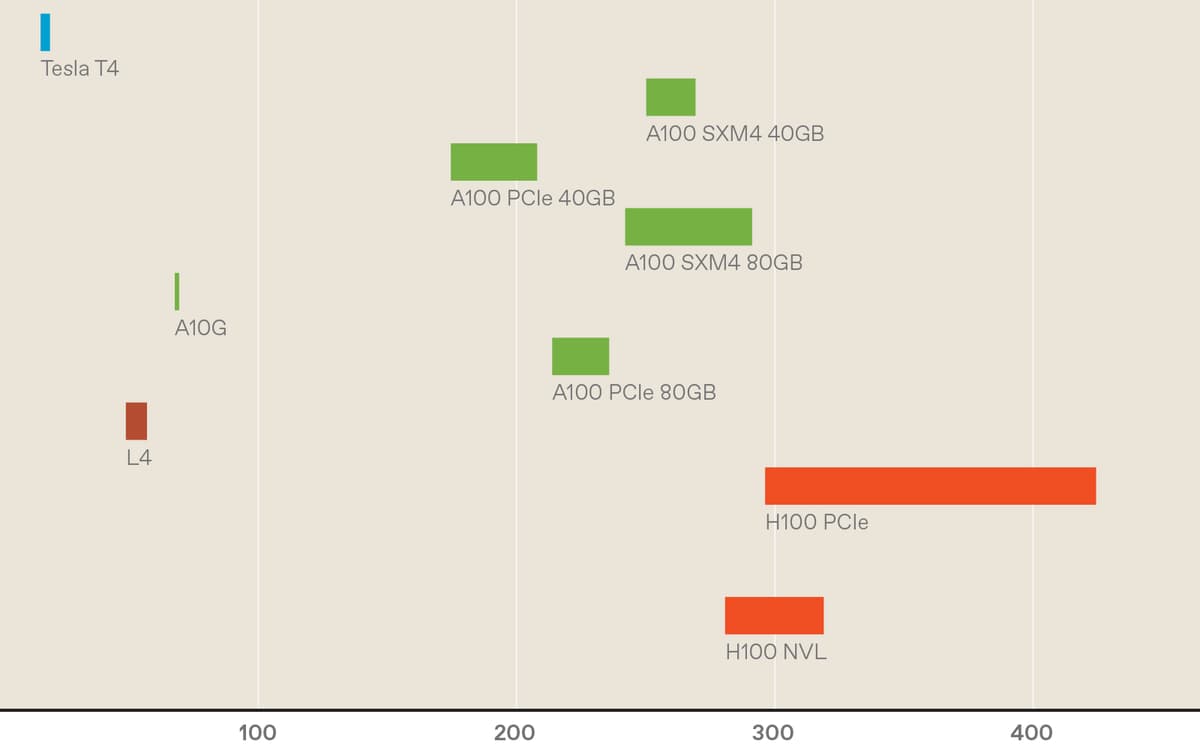
The term "silicon lottery" has moved from academic papers to the front lines of cloud AI development. A joint study by William & Mary, Jefferson Lab, and Silicon Data ran 6,800 benchmark instances on 3,500 randomly selected Nvidia GPUs from eleven providers. By measuring 16‑bit floating‑point throughput and internal memory bandwidth, the researchers uncovered dramatic spreads—up to 34.5% for H100 PCIe and 38% for H200 SXM chips—highlighting that no two supposedly identical GPUs are guaranteed to perform alike.
For enterprises that rent GPU time to train large language models, this variability can erode cost efficiency and model turnaround times. A higher‑priced, newer GPU may deliver the same or even lower effective performance than an older, cheaper unit, inflating cloud spend without proportional gains. The study also points to manufacturing tolerances as the primary driver, with secondary effects from cooling solutions, firmware settings, and prior usage patterns. As AI workloads become more compute‑intensive, understanding these nuances becomes a competitive advantage for firms seeking to optimize their cloud budgets.
The practical takeaway for cloud customers is simple: benchmark the exact instance you receive. Silicon Data’s SiliconMark tool provides a standardized way to compare a rented GPU against a broad performance corpus, enabling data‑driven selection of hardware. As the market matures, we can expect providers to offer performance‑guaranteed tiers or transparent metrics, reducing the element of chance and aligning pricing more closely with actual compute output.
GPU Renters Are Playing a Silicon Lottery
Comments
Want to join the conversation?
Loading comments...