
Companies Mentioned


Why It Matters
Unclear AI monetization could pressure Apple’s valuation and influence broader market expectations for tech giants integrating artificial intelligence. Investors seek tangible revenue pathways as AI spending escalates.
Key Takeaways
- •Apple posted $143.8 billion revenue, 16% YoY growth.
- •Analysts question Apple’s AI monetization strategy.
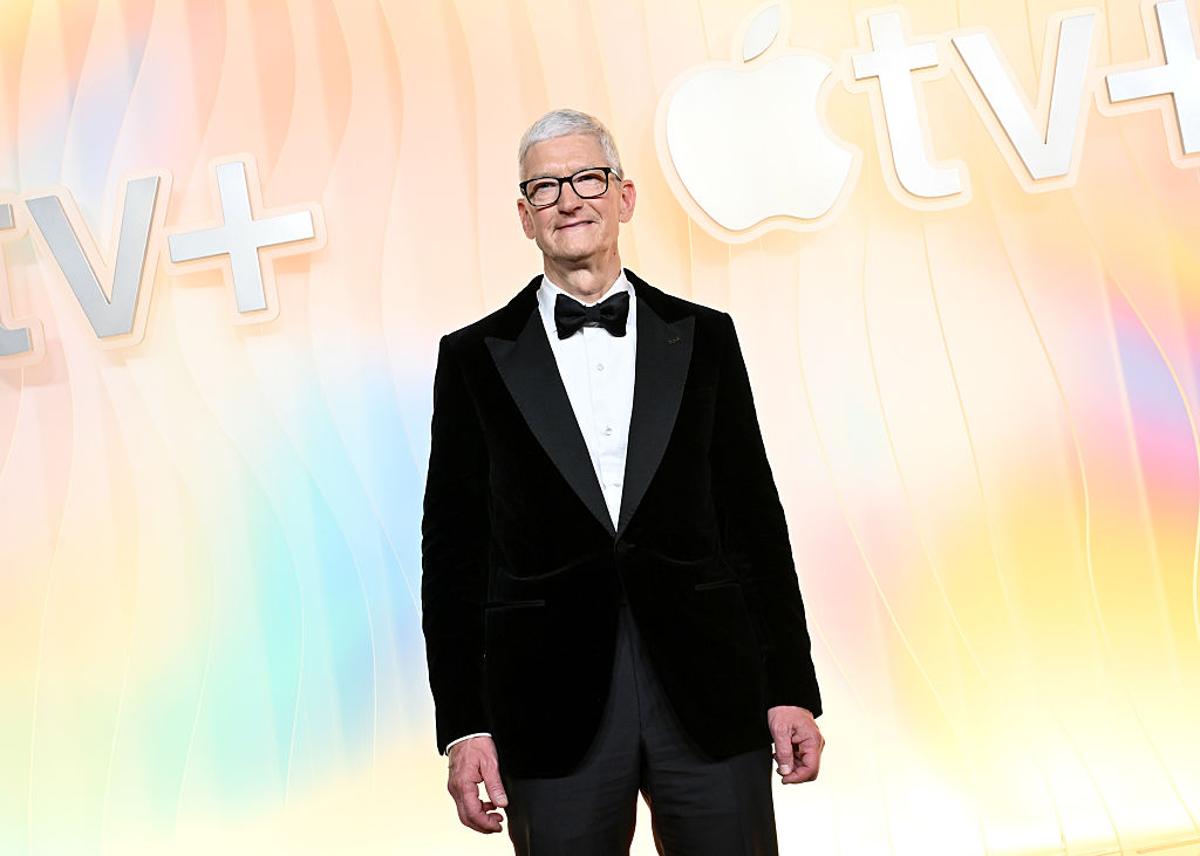
- •Tim Cook cites “value” and “opportunities” without specifics.
- •Competitors like OpenAI plan long‑term AI profitability.
- •Monetization uncertainty may affect investor confidence.
Pulse Analysis
Apple’s earnings beat underscores the company’s operational strength, yet the AI discussion reveals a strategic blind spot. While the iPhone and services ecosystem continues to generate cash, the lack of a clear AI revenue model raises questions about future growth drivers. Investors are accustomed to seeing concrete product bundles or subscription tiers tied to AI features; Apple’s reliance on vague value propositions may signal a cautious rollout, potentially slowing the pace at which AI translates into profit.
The broader tech landscape shows divergent approaches to AI monetization. OpenAI, for example, projects profitability only after a decade of heavy investment, relying on enterprise licensing and premium APIs. Meanwhile, rivals like Microsoft embed AI into existing cloud services, directly tying usage to subscription revenue. Apple’s strategy of integrating AI across its operating system without explicit pricing could be an attempt to preserve ecosystem cohesion, but it also risks missing out on immediate monetization opportunities that competitors are capitalizing on.
For the market, Apple’s ambiguous AI roadmap could affect analyst forecasts and stock performance. As AI spending climbs, capital allocation efficiency becomes a key metric for shareholders. Clear monetization pathways—whether through new hardware features, AI‑enhanced services, or premium app experiences—would provide confidence that Apple can sustain its growth momentum. Until such signals emerge, the company may face heightened scrutiny from investors demanding tangible returns on its AI investments.
Guys, I don’t think Tim Cook knows how to monetize AI
0
Comments
Want to join the conversation?
Loading comments...