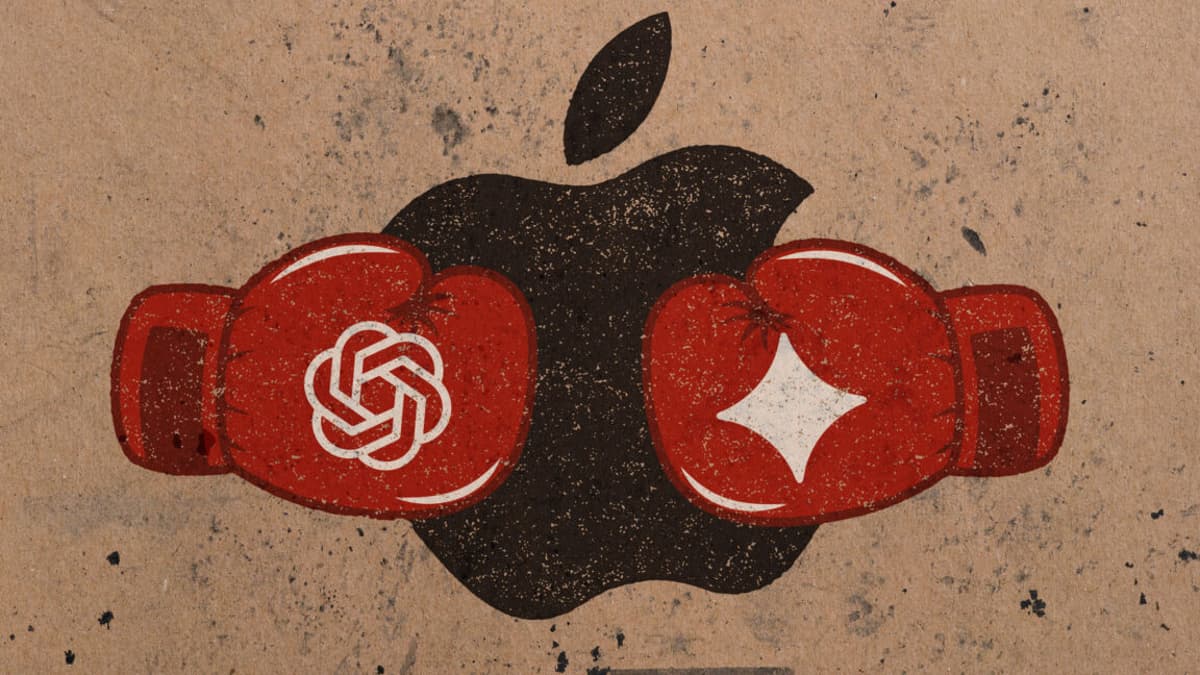
Has Gemini Surpassed ChatGPT? We Put the AI Models to the Test.
•January 21, 2026
1
Companies Mentioned


Why It Matters
The head‑to‑head comparison signals a narrowing gap between Google and OpenAI, giving Apple a more capable AI partner for Siri and reshaping competitive dynamics in consumer AI assistants.
Key Takeaways
- •Gemini beats ChatGPT on four test prompts.
- •ChatGPT excels in creative writing and safety responses.
- •Gemini provides clearer calculations and sourced biographies.
- •Apple’s Siri may gain richer AI capabilities.
- •AI model gaps persist in originality and medical advice.
Pulse Analysis
The AI showdown between OpenAI’s ChatGPT 5.2 and Google’s Gemini 3.2 Fast reflects how quickly generative models evolve. Ars Technica’s methodology—identical prompts, mixed objective and subjective scoring—mirrors real‑world user interactions, especially for free‑tier users who represent the bulk of Siri’s audience. By updating the prompt set from earlier 2023 tests, the study captures current model strengths and blind spots, offering a realistic snapshot of each system’s conversational competence.
Gemini’s performance gains are most evident in informational tasks. It delivered consistent unit handling in a floppy‑disk math problem, supplied a sourced, error‑free biography, and offered multiple, context‑aware email drafts. These traits align with Apple’s need for reliable, fact‑checked assistance within Siri, where users expect concise, accurate answers. Conversely, ChatGPT retained an edge in creative flair—crafting whimsical narratives and exercising caution on high‑risk instructions—demonstrating that OpenAI still leads in imaginative language generation and safety safeguards.
For the broader market, the near‑parity between the two giants signals intensified competition for platform partnerships. Apple’s alignment with Gemini could accelerate Google’s influence across mobile ecosystems, while OpenAI may double down on premium features to differentiate. Consumers can anticipate more capable, nuanced voice assistants, but lingering gaps—such as originality in humor and nuanced medical guidance—remind developers that AI is still a work in progress. Companies that integrate these models must balance raw capability with responsible output to maintain user trust.
Has Gemini surpassed ChatGPT? We put the AI models to the test.
1
Comments
Want to join the conversation?
Loading comments...