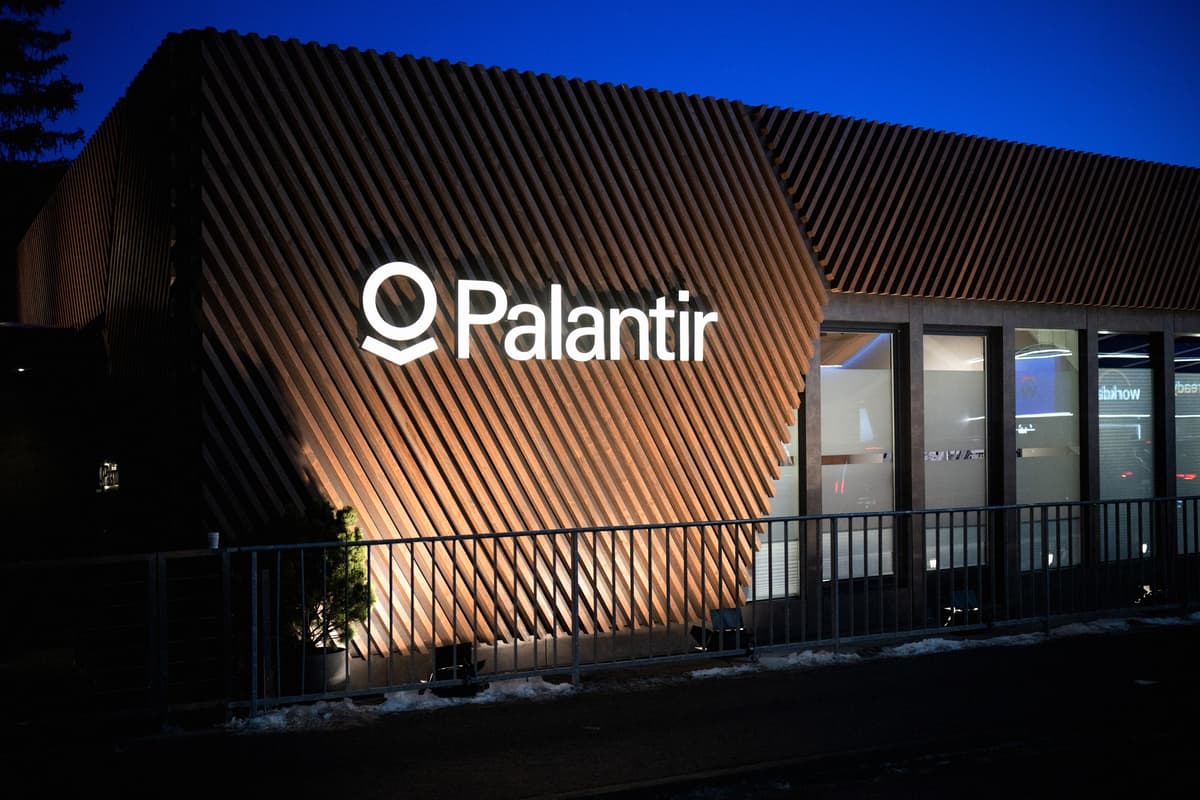
HHS Is Using AI Tools From Palantir to Target ‘DEI’ and ‘Gender Ideology’ in Grants
•February 2, 2026
0
Companies Mentioned


Why It Matters
The deployment illustrates how federal agencies are leveraging private AI to enforce politically driven policy mandates, raising serious questions about transparency, oversight, and the chilling effect on DEI‑related research and funding.
Key Takeaways
- •HHS deployed Palantir AI to audit DEI compliance
- •Over $35M paid to Palantir by HHS in first year
- •Credal AI provided generative AI platform for $750k
- •AI flags grant and job descriptions for executive order alignment
- •Lack of public disclosure raises transparency and oversight issues
Pulse Analysis
The partnership between HHS and Palantir reflects a growing trend of government agencies turning to sophisticated data‑analytics firms to enforce policy directives. By embedding AI into the grant‑review workflow, HHS can automatically scan language for terms deemed non‑compliant with Executive Orders 14151 and 14168, dramatically accelerating the compliance process. This approach mirrors broader federal efforts to harness machine‑learning tools for regulatory oversight, but it also introduces a layer of algorithmic decision‑making that operates largely out of public view.
Beyond operational efficiency, the AI‑driven audits have profound implications for the research ecosystem. Institutions that rely on federal grants may now face additional scrutiny if their proposals reference DEI concepts, gender‑identity terminology, or related social‑science frameworks. Such indirect policing could deter scholars from pursuing inclusive research agendas, potentially narrowing the scope of federally funded science. Moreover, the opaque nature of the AI models—often proprietary and undisclosed—raises ethical concerns about bias, accountability, and the potential for unintended discrimination.
The financial dimension underscores the market impact of politically motivated AI contracts. Palantir’s $35 million revenue stream from HHS and Credal AI’s $750,000 deal illustrate how policy shifts can quickly translate into lucrative opportunities for tech vendors. However, the lack of transparency in contract descriptions may invite congressional scrutiny and calls for stricter reporting standards. As agencies continue to embed AI into compliance functions, stakeholders will likely demand clearer oversight mechanisms to balance efficiency gains with democratic accountability.
HHS Is Using AI Tools From Palantir to Target ‘DEI’ and ‘Gender Ideology’ in Grants
0
Comments
Want to join the conversation?
Loading comments...