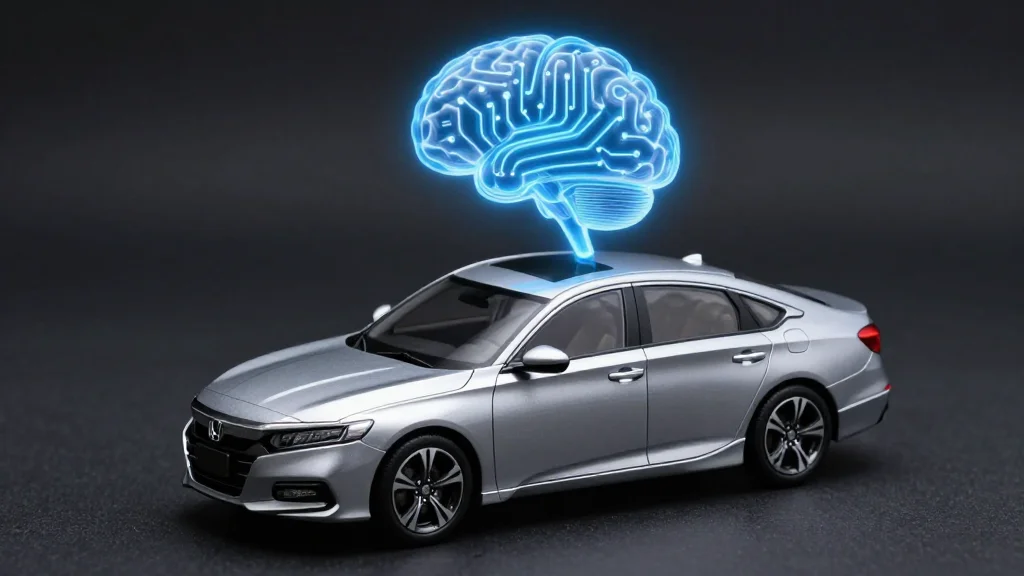
Honda Postpones Self-Driving Goal to 2028 as EV Retreat Takes Toll
Companies Mentioned
Why It Matters
The delay underscores Honda’s lag in both EV and autonomous technologies, risking market share erosion and reduced investor confidence as competitors accelerate their roadmaps.
Key Takeaways
- •Honda pushes autonomous‑driving rollout to 2028, one‑year delay
- •EV strategy retreat led to cancellation of 0 Series Saloon EV concept
- •Delay widens gap with rivals already testing Level‑3/4 autonomy
- •Honda’s shift may impact profitability and brand perception in North America
Pulse Analysis
Honda’s decision to defer its autonomous‑driving launch to 2028 signals a strategic recalibration in a segment where timing is critical. The company had originally targeted a 2027 rollout of AI‑powered Level‑3 features, positioning itself against industry leaders that are already piloting Level‑4 capabilities in limited markets. By slipping the timeline, Honda not only loses first‑mover advantage but also faces higher development costs as it must align its software stack with newer safety standards that have emerged over the past year. This delay may also affect partnerships with suppliers and tech firms that have built roadmaps around Honda’s earlier schedule.
The autonomous setback is tightly linked to Honda’s broader EV retreat, which saw the cancellation of the 0 Series Saloon EV—a flagship concept meant to showcase both electric powertrains and self‑driving tech for North America. The pullback reflects weaker demand forecasts and tighter profit margins in the EV space, prompting Honda to prioritize internal combustion and hybrid models in the near term. However, scrapping the EV platform erodes the hardware foundation needed for advanced driver‑assist systems, creating a feedback loop that hampers progress on autonomy. Analysts note that without a robust EV lineup, Honda risks falling behind in data collection, a key ingredient for training reliable AI models.
For investors and industry observers, Honda’s twin setbacks highlight the challenges traditional automakers face when juggling electrification and autonomy simultaneously. Competitors such as Tesla, BYD and legacy players like GM have doubled down on integrated EV‑autonomy strategies, securing both regulatory approvals and consumer mindshare. Honda’s cautious approach may preserve short‑term cash flow, but it could also diminish its brand’s perception as an innovator. The company will need to accelerate its next wave of EV introductions and re‑commit to autonomous development to stay relevant in a market that increasingly equates electric powertrains with advanced driver assistance.
Honda postpones self-driving goal to 2028 as EV retreat takes toll
Comments
Want to join the conversation?
Loading comments...