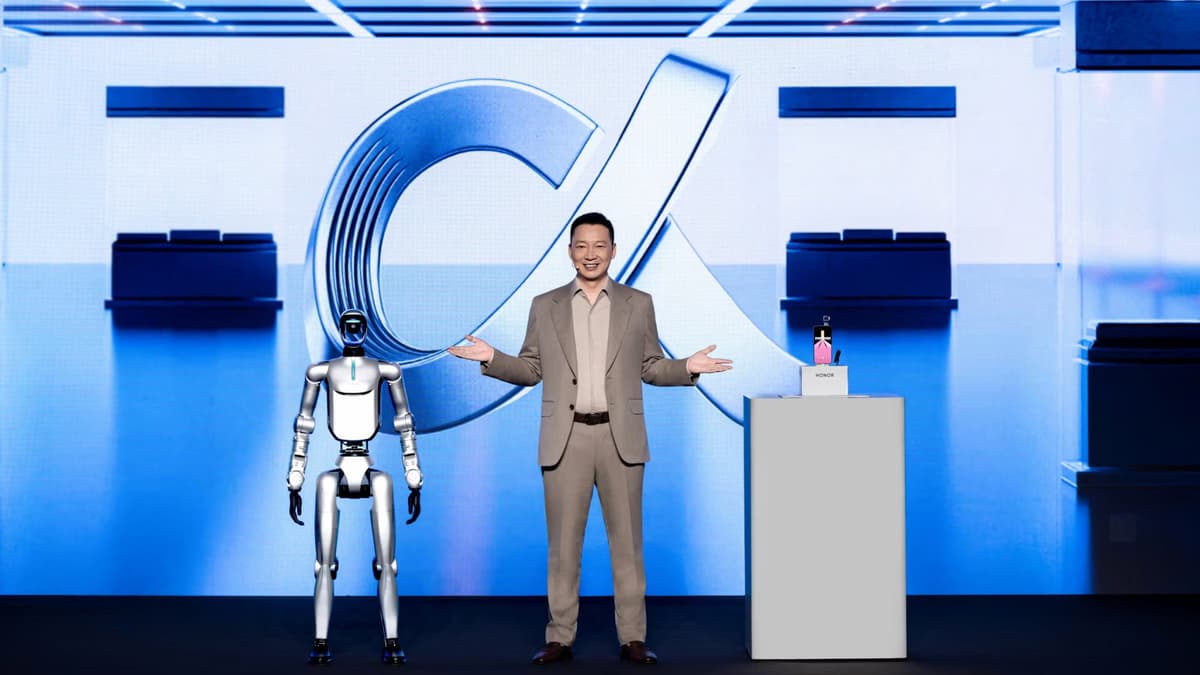
Honor Sees Phones as Key to On-Device AI, Even if They Are Not the Endgame
Companies Mentioned
Why It Matters
On‑device AI turns phones into productivity tools, reshaping purchase decisions and forcing a re‑allocation of ecosystem traffic among manufacturers, app developers, and model providers.
Key Takeaways
- •Honor pledged $10 billion AI investment over five years
- •Magic V6 uses Yoyo agent for meetings and document conversion
- •AI phones will offer personalization, proactive service, and autonomous task execution
- •On‑device AI lowers data‑privacy risks and reduces reliance on cloud tokens
- •Smartphones remain the primary platform for AI adoption despite emerging device categories
Pulse Analysis
The surge in on‑device artificial intelligence marks a strategic pivot for smartphone makers, and Honor is leading the charge. By allocating $10 billion to AI development, the Chinese brand has built a vertically integrated stack that couples its MagicOS operating system with the Yoyo agent. This integration enables real‑time, local processing of large language models, sidestepping the latency and privacy concerns of cloud‑only solutions. For enterprises and power users, the Magic V6’s meeting‑assistant capabilities illustrate how AI can replace legacy productivity apps, delivering instant transcription, summarization, and task generation without leaving the device.
Beyond Honor, the broader market is witnessing a convergence of three trends: hyper‑personalization, proactive interaction, and autonomous execution. Phones are learning user habits through long‑context memory, allowing agents to anticipate needs—such as prompting flight‑related reminders before a trip. Multimodal inputs that blend vision, voice, and text further blur the line between hardware and software, turning the handset into a universal interface for everyday tasks. This shift is prompting OEMs to rethink hardware specifications, prioritizing on‑device compute power and efficient AI accelerators to sustain seamless performance across flagship and mid‑range models.
The implications for the mobile ecosystem are profound. As AI agents become the primary conduit for user intent, traditional app‑centric traffic models will erode, compelling app developers and large‑model providers to negotiate new partnership frameworks. Privacy‑first, on‑device processing also offers a competitive edge in regions with strict data regulations, potentially accelerating adoption in markets like Europe and North America. Ultimately, Honor’s aggressive AI roadmap underscores a broader industry consensus: smartphones will serve as the launchpad for AI‑driven user experiences, while emerging device categories will play supporting roles as the technology matures.
Honor sees phones as key to on-device AI, even if they are not the endgame
Comments
Want to join the conversation?
Loading comments...