House AI Bill Targets Workforce, Data-Center Infrastructure as Contractors Expand Use
Companies Mentioned
Why It Matters
A national AI governance structure could streamline deployment while addressing critical infrastructure and talent gaps, reshaping the competitive landscape for U.S. tech firms.
Key Takeaways
- •269‑page draft creates federal AI governance framework
- •New Center for AI Standards to sit in Commerce Department
- •Workforce‑forecasting program targets AI talent pipeline
- •Reviews infrastructure and energy barriers for expanding data centers
Pulse Analysis
The Great American Artificial Intelligence Act marks the most comprehensive bipartisan effort yet to codify AI policy at the federal level. By establishing a dedicated governance structure, the bill seeks to fill the regulatory vacuum that has left companies navigating a patchwork of state rules. Lawmakers argue that a unified framework will reduce compliance uncertainty, accelerate innovation, and position the United States as a global AI leader. The inclusion of a Center for AI Standards and Innovation signals a shift toward proactive standard‑setting rather than reactive enforcement, echoing similar moves in cybersecurity and telecommunications.
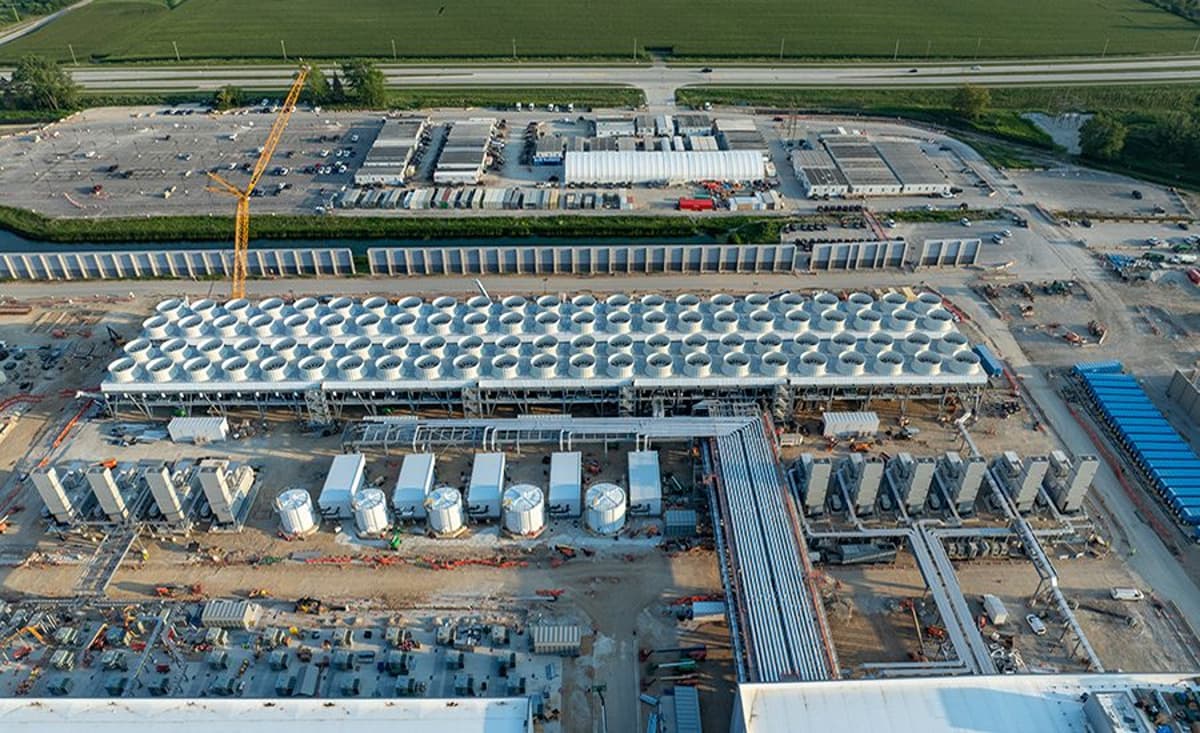
Infrastructure and energy considerations sit at the heart of the proposal, reflecting the rapid expansion of data‑center capacity required for AI workloads. Contractors are already investing in cooling systems, such as Microsoft’s Fairwater campus in Wisconsin, to meet the power‑intensive demands of large language models and generative AI services. By mandating federal reviews of energy barriers, the act aims to streamline permitting, encourage renewable integration, and mitigate grid strain. This could lower construction timelines and costs for providers, while also addressing broader climate concerns tied to AI’s growing carbon footprint.
Equally critical is the bill’s focus on workforce development. The new forecasting program will map future AI talent needs, guiding education and training initiatives to close skill gaps. Coupled with the Commerce Department’s standards center, the legislation creates a pipeline from research to commercial deployment, ensuring that emerging technologies adhere to safety and ethical guidelines. The temporary pre‑emption of state AI model regulations seeks to avoid a fragmented legal environment, though it may spark debate over states’ rights. Overall, the act could accelerate AI adoption, bolster U.S. competitiveness, and set a template for future technology governance.
House AI Bill Targets Workforce, Data-Center Infrastructure as Contractors Expand Use
Comments
Want to join the conversation?
Loading comments...