How AI Helped Me With Two Problems in Filmmaking: Self-Tapes and Table Reads
Key Takeaways
- •AI voices replace human read‑aloud for self‑tapes
- •Table Read Studio speeds script feedback loops
- •Hackathon win validated market need
- •Separate apps target actors vs writers
- •AI augments, not replaces, creative talent
Pulse Analysis
Artificial intelligence has long been framed as a threat to creative jobs in Hollywood, yet its most valuable contribution may lie in mundane, time‑consuming tasks. In independent filmmaking, actors often struggle to produce self‑tape auditions because they lack a partner to deliver opposite lines, leading to delays or sub‑par recordings. Likewise, screenwriters must wait for full table reads—expensive, logistically complex events—to gauge a scene’s viability. By leveraging high‑fidelity synthetic voices, AI can fill these gaps, turning solitary recordings into polished auditions and providing writers with instant, spoken feedback without assembling a cast.
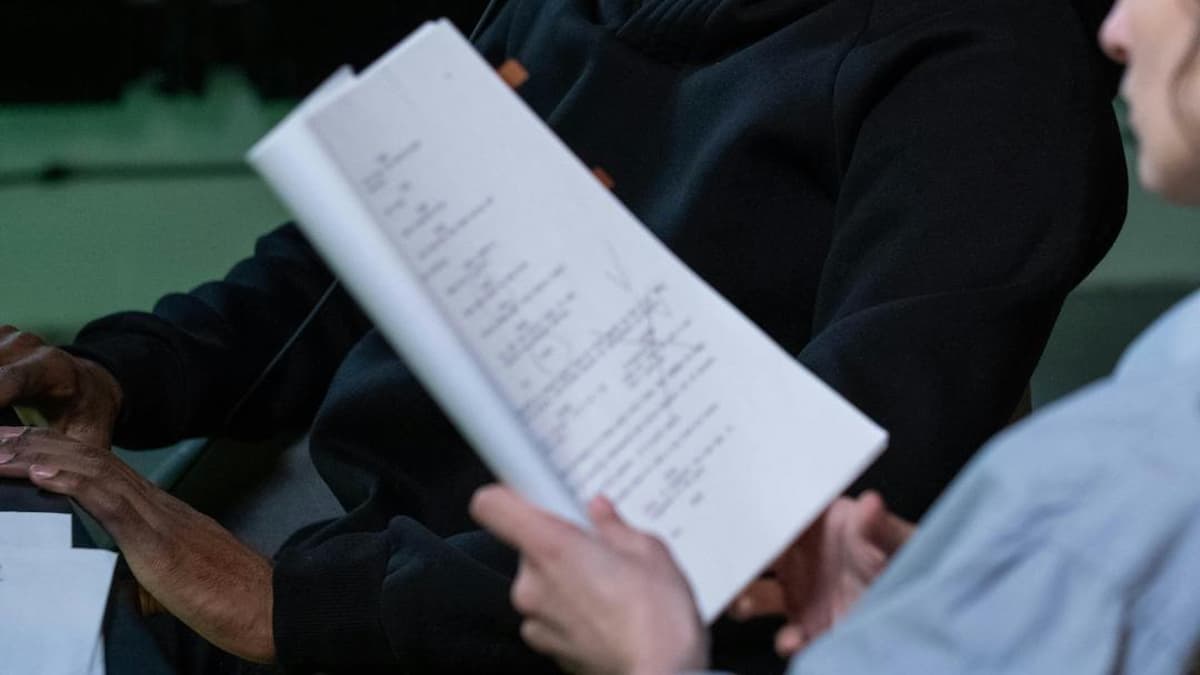
Table Read Studio emerged from a hackathon experiment that paired a developer’s filmmaking pain points with the rapid progress of AI‑generated speech. The platform offers two distinct experiences: Self‑Tape Studio enables actors to generate a virtual scene partner, ensuring consistent line delivery and eliminating the need for a friend’s read‑aloud. Table Read Studio lets writers upload drafts and hear them performed by AI characters, creating a rapid iteration loop that mirrors a traditional table read but at a fraction of the cost. The solution’s early success—evidenced by a prestigious hackathon award and rapid adoption among indie creators—highlights a market appetite for tools that streamline pre‑production workflows.
The broader implication for the film industry is a shift toward AI‑augmented pipelines that preserve artistic intent while trimming budgets and timelines. As synthetic voice technology continues to improve, we can expect more nuanced emotional expression, enabling even finer script diagnostics and audition quality. Studios and production companies that integrate such tools early will gain a competitive edge, delivering tighter scripts and better‑cast selections before committing to costly shooting schedules. Ultimately, AI’s role is evolving from a speculative disruptor to a pragmatic assistant that keeps creative teams moving forward under tight constraints.
How AI Helped Me With Two Problems in Filmmaking: Self-Tapes and Table Reads
Comments
Want to join the conversation?