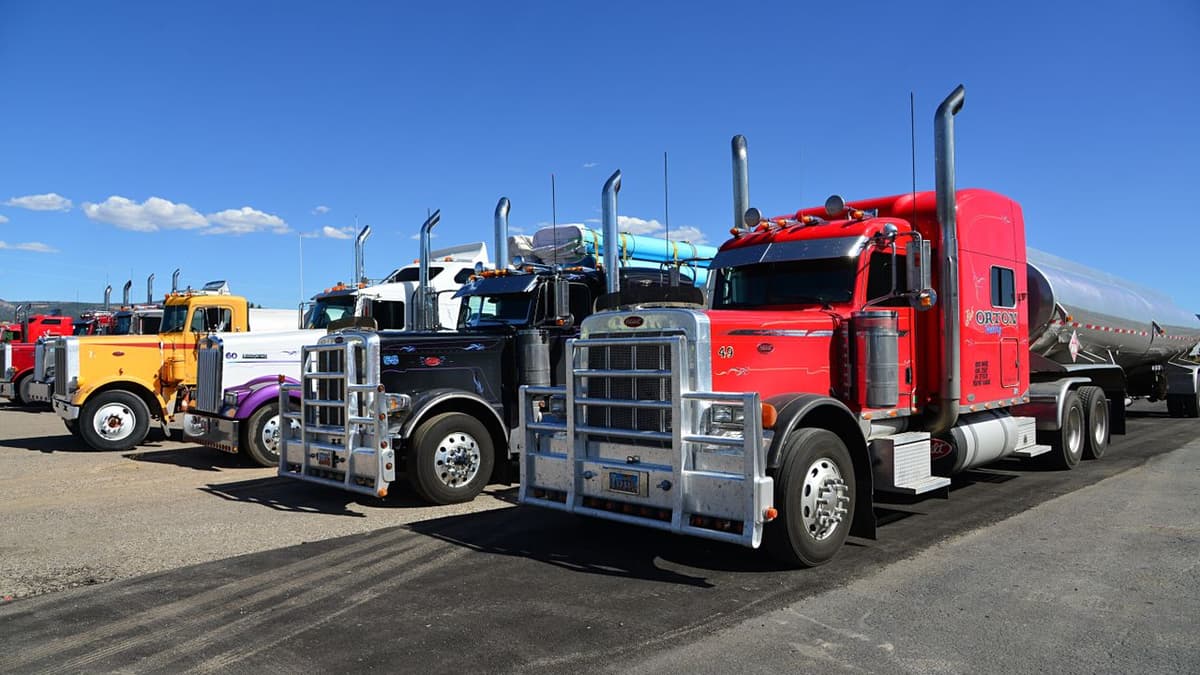
How AI Is Preventing Collisions, Driving Productivity, and Transforming Physical Operations
•December 21, 2025
0
Why It Matters
Accurate AI directly reduces collision costs and regulatory exposure while unlocking productivity gains for high‑risk fleet operators.
Key Takeaways
- •AI detects unsafe behavior, alerts drivers instantly
- •Real‑time coaching cuts feedback lag from weeks
- •Automation eliminates 20+ hours weekly info‑chasing
- •Unified data reduces false claims, improves retention
- •Accurate models trained on billions of miles ensure reliability
Pulse Analysis
The safety advantage of AI stems from its ability to monitor driver behavior at the millisecond level. Advanced computer‑vision algorithms recognize phone use, tail‑gating, and fatigue, then push alerts to both drivers and managers before a crash occurs. Because these models are refined through continuous human‑in‑the‑loop validation and trained on billions of real‑world miles, false positives are minimized, making the technology a reliable guardian on highways, city streets, and adverse weather conditions.
Beyond preventing accidents, AI is closing the long‑standing coaching gap that plagues large fleets. Traditional feedback loops can take weeks, allowing risky habits to persist. AI‑generated coaching delivers personalized, documented guidance within minutes of an unsafe event, standardizing compliance and creating audit‑ready records. The result is a measurable uplift in driver morale, lower turnover, and a clearer path to rewarding safe performance, which directly influences insurance premiums and operational continuity.
Automation is the third pillar reshaping physical operations. Legacy spreadsheets force workers to spend upwards of 20 hours weekly hunting for data, eroding uptime. AI‑driven platforms consolidate onboarding, training, route optimization, and incident reporting into a single, real‑time dashboard. By auto‑assigning trips, flagging equipment issues, and surfacing actionable insights, organizations shift from reactive firefighting to proactive decision‑making. This convergence of safety, coaching, and workflow automation positions AI as a strategic enabler for resilient, cost‑effective fleet management in an increasingly complex regulatory landscape.
How AI is preventing collisions, driving productivity, and transforming physical operations
0
Comments
Want to join the conversation?
Loading comments...