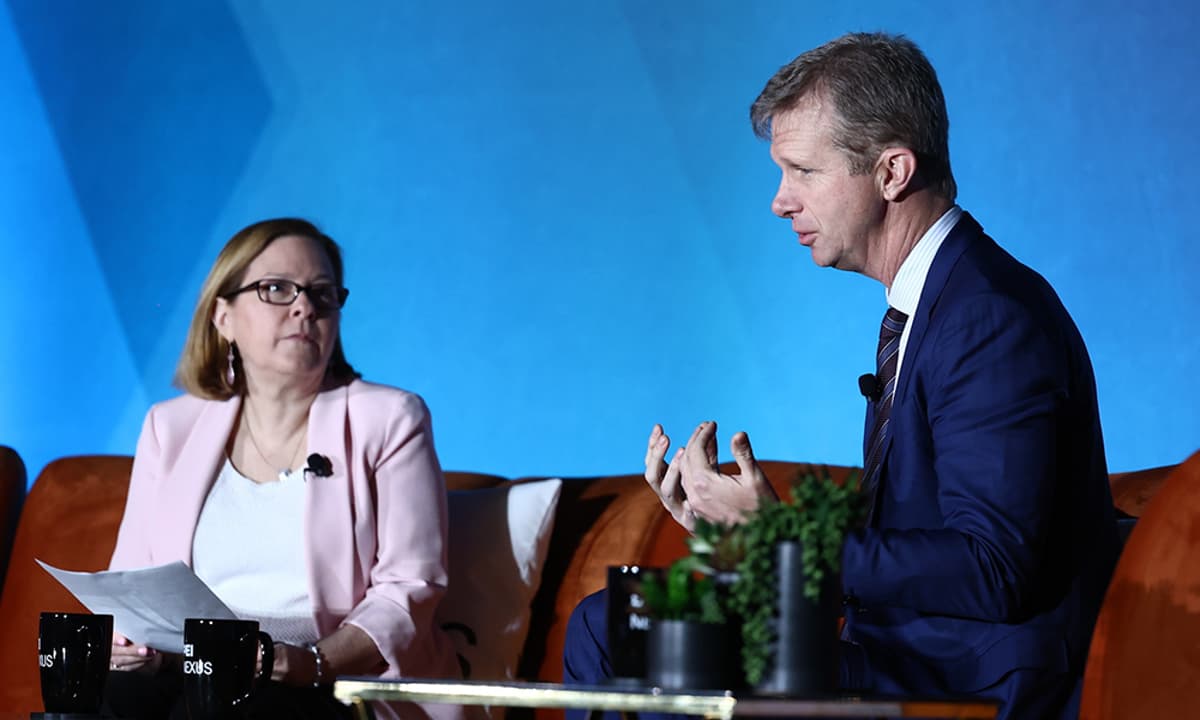
How GPs and LPs View AI Disruption: Thoma Bravo’s Holden Spaht and New York’s Anastasia Titarchuk
•February 23, 2026
0
Why It Matters
AI is becoming a decisive factor in capital allocation, influencing fund performance and competitive positioning across the private‑equity landscape.
Key Takeaways
- •GPs prioritize AI integration in portfolio build‑outs
- •LPs seek transparent AI ROI metrics
- •Deal pace in AI‑enabled software accelerating
- •Technical diligence now a core GP competency
- •Alignment on AI risk governance improving
Pulse Analysis
Artificial intelligence is no longer a peripheral theme for private‑equity firms; it has become a strategic imperative. General partners like Holden Spaht argue that embedding AI capabilities at the platform stage creates defensible market advantages and drives higher multiples on exit. This shift forces GPs to recruit data scientists, adopt AI‑centric due‑diligence frameworks, and re‑evaluate traditional sector theses, especially in SaaS, cybersecurity, and fintech where algorithmic differentiation is measurable.
Limited partners, represented by Anastasia Titarchuk, are responding with heightened scrutiny. LPs now request granular performance forecasts, AI‑specific risk assessments, and clear governance structures to mitigate model bias and regulatory exposure. Their appetite for AI‑focused funds is strong, but capital is increasingly tied to demonstrable value creation pathways, prompting GPs to adopt standardized reporting and third‑party validation of AI models. This evolving demand reshapes fund‑raising narratives and aligns incentives across the investment chain.
The convergence of GP ambition and LP vigilance signals a maturing AI investment ecosystem. As AI technologies diffuse across industries, private‑equity firms that master both the technical and financial dimensions will capture outsized returns. Conversely, firms that treat AI as a hype add‑on risk falling behind in a market where speed, expertise, and transparent governance dictate success. Stakeholders should monitor emerging best practices in AI due diligence, the rise of dedicated AI funds, and regulatory developments that could further influence capital flows.
How GPs and LPs view AI disruption: Thoma Bravo’s Holden Spaht and New York’s Anastasia Titarchuk
0
Comments
Want to join the conversation?
Loading comments...