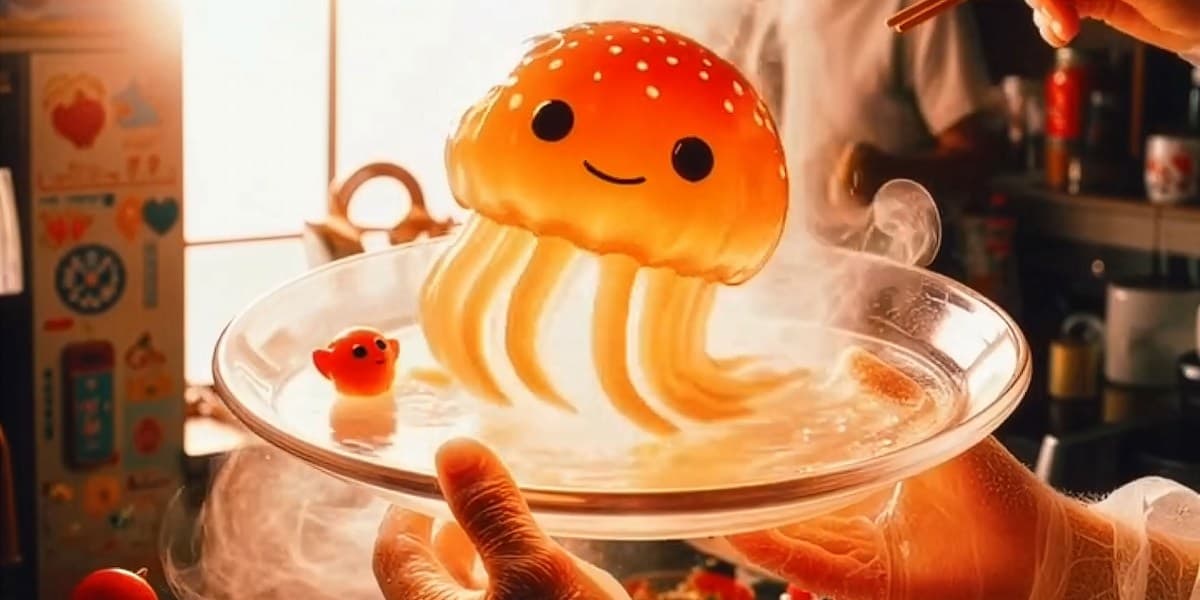
How I Learned to Stop Worrying and Love AI Slop
•December 23, 2025
0
Companies Mentioned


Why It Matters
AI slop reshapes digital media economics, lowering entry barriers while raising ethical and copyright challenges for creators and platforms alike.
Key Takeaways
- •AI video tools enable anyone to generate short clips instantly
- •Viral trends like trampoline rabbits spark massive AI slop replication
- •Creators turn AI slop into art, merch, and micro‑franchises
- •Misuse includes deepfakes, extremist content, prompting platform safeguards
- •Democratization shifts skill focus from rendering to prompt engineering
Pulse Analysis
The rapid maturation of text‑to‑video models has turned what was once a niche novelty into a mainstream content engine. Tools like Sora 2, Veo 3.1 and Runway’s Gen‑4.5 now produce minute‑long, high‑fidelity clips with sound, making video creation as simple as typing a prompt. This accessibility fuels a torrent of AI slop on short‑form platforms, where low‑cost replication fuels virality and keeps users glued to algorithmic feeds. Brands and marketers are taking note, experimenting with AI‑generated ads that can be produced at scale, while traditional studios watch cautiously as the line between professional VFX and user‑generated content blurs.
Beyond the noise, a vibrant creator economy is emerging around AI slop. Artists like Wenhui Lim and Daryl Anselmo treat the medium as a digital sketchbook, building recurring characters and worlds that spawn merchandise, NFTs and gallery shows. The low barrier to entry encourages experimentation, allowing hobbyists to iterate quickly and develop niche aesthetics—such as the “Italian brainrot” craze—without large production budgets. This democratization shifts the core skill set from manual rendering to prompt engineering, where linguistic precision and model awareness become the new creative superpowers.
However, the same ease of generation raises serious governance concerns. Deepfake incidents involving public figures and extremist “nazislop” videos have forced platforms to implement watermarking and content‑moderation tools, while legal scholars debate liability for AI‑crafted defamation. The Brookings study highlighting a modest dip in freelance contracts underscores the economic ripple effects for traditional creators. As AI video tools embed themselves into everyday content pipelines, stakeholders—from regulators to advertisers—must balance the creative liberation they offer against the need for robust ethical safeguards and fair compensation models.
How I learned to stop worrying and love AI slop
0
Comments
Want to join the conversation?
Loading comments...