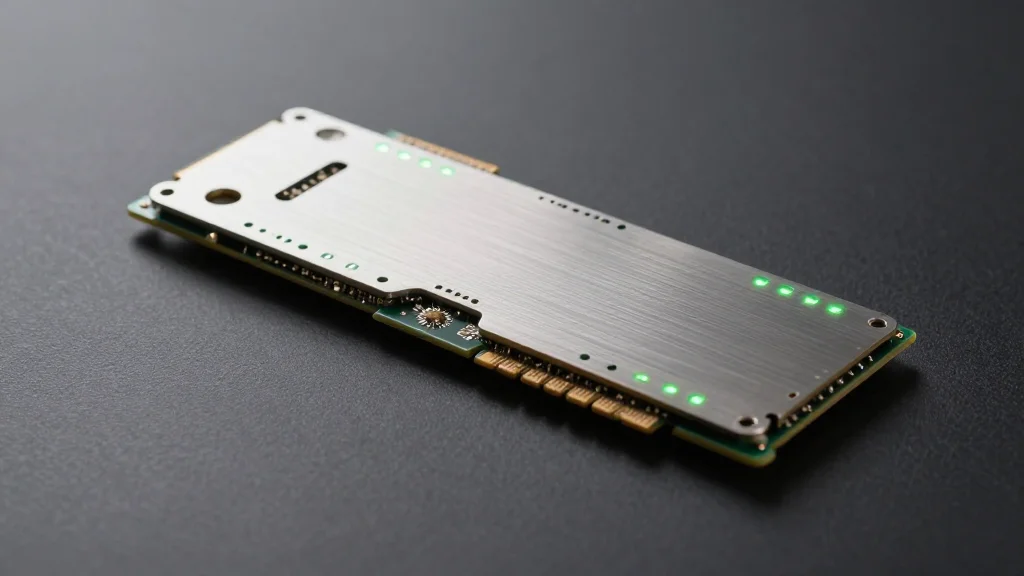
How SUSE Positions Itself as the Infrastructure Layer for the AI Era
Why It Matters
By unifying AI, containers and VMs on an open stack, SUSE gives enterprises a single control plane for modern workloads, accelerating AI adoption and reducing operational complexity in multi‑cloud environments.
Key Takeaways
- •SUSE launches Rancher Prime with built‑in AI agent ecosystem.
- •Liz AI agent automates CVE remediation via natural‑language queries.
- •SUSE Virtualization positioned as modern VMware alternative for hybrid clouds.
- •Rancher Developer Access simplifies local Kubernetes with minimal cognitive overhead.
- •SUSE aims to unify containers, VMs, and AI on an open platform.
Pulse Analysis
The AI era is reshaping how enterprises consume compute, storage and networking resources. Traditional silos—separate hypervisors for VMs and distinct orchestration layers for containers—create friction when workloads span on‑premises data centers and multiple public clouds. SUSE’s strategy pivots on delivering an open, end‑to‑end platform that treats AI services, containers and VMs as interchangeable building blocks. By leveraging its long‑standing Linux expertise and deep ties to the Cloud Native Computing Foundation, SUSE can offer a cohesive stack that simplifies continuous integration and delivery pipelines for AI‑driven applications.
At the heart of this transformation is Rancher Prime, which now bundles an AI‑agent ecosystem and the Liz assistant. Liz uses the Model Context Protocol to ingest real‑time cluster state, enabling developers to ask natural‑language questions such as “Are there vulnerable images?” and receive actionable remediation steps. This level of automation reduces mean‑time‑to‑resolution for security incidents and frees engineering teams to focus on feature development. Complementary offerings like SUSE Virtualization provide a VMware‑compatible hypervisor, while Rancher Developer Access lets engineers spin up local Kubernetes clusters with minimal cognitive overhead, bridging the gap between development and production environments.
For the broader market, SUSE’s unified approach challenges incumbents that still treat VMs and containers as separate domains. Enterprises adopting hybrid‑cloud strategies stand to benefit from reduced tooling complexity, lower licensing sprawl, and a single source of truth for security and compliance. As AI workloads become mainstream, platforms that can seamlessly orchestrate compute across containers, VMs and specialized accelerators will gain a competitive edge. SUSE’s open‑source ethos and focus on developer experience position it to capture a growing slice of the AI‑infrastructure market, especially among organizations wary of vendor lock‑in.
How SUSE positions itself as the infrastructure layer for the AI era
Comments
Want to join the conversation?
Loading comments...