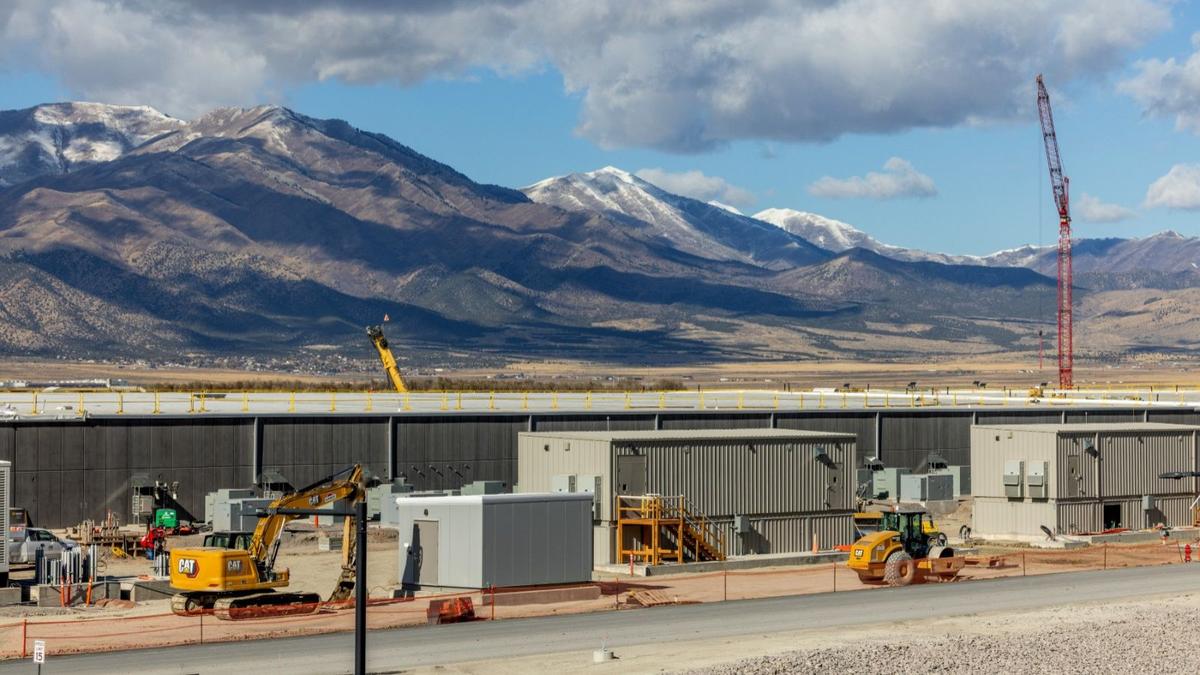
How Tech’s Biggest Companies Are Offloading the Risks of the AI Boom
•December 16, 2025
0
Companies Mentioned


Why It Matters
By moving risk and debt off their balance sheets, the biggest tech firms preserve financial flexibility and protect investors, while exposing smaller players and credit markets to the volatility of AI demand.
Key Takeaways
- •Microsoft, Meta lease AI compute, avoiding balance‑sheet debt
- •Meta uses SPV and private credit for Louisiana data centre
- •Neocloud contracts span three‑to‑five years, offering flexibility
- •Smaller providers bear long‑term AI demand risk
- •Investors face opaque financing, higher exposure to AI slowdown
Pulse Analysis
The AI boom has turned compute capacity into a strategic commodity, with estimates that trillions of dollars will be poured into data‑centre construction over the next decade. Traditional cap‑ex models are ill‑suited for such scale, prompting companies like Microsoft and Meta to adopt leasing and "other‑people’s‑money" structures. By contracting neocloud providers for three‑to‑five‑year terms, they can match supply with near‑term demand signals while keeping the expense classified as operating cost, preserving cash flow and avoiding the scrutiny that large, long‑term debt would attract.
These financing tactics have ripple effects across capital markets. Special‑purpose vehicles, private‑credit firms, and bond issuances now sit at the heart of AI infrastructure funding, creating layers of opacity that challenge traditional credit analysis. Lenders such as Blue Owl Capital and asset managers like PIMCO are underwriting billions of dollars, often at double‑digit interest rates, and selling the resulting bonds to pension funds and insurers. While this spreads risk, it also concentrates exposure among investors who may lack visibility into the underlying data‑centre assets, raising concerns about credit quality and potential write‑downs if AI demand falters.
Strategically, the flexibility afforded by short‑term neocloud deals gives tech giants a competitive edge, allowing rapid scaling to meet customer needs and to renegotiate terms as market conditions evolve. However, the reliance on external providers ties the giants’ AI roadmaps to the financial health of smaller, often private, operators. Should AI adoption slow, these providers could face cash‑flow crises, forcing renegotiations or asset sales that could disrupt service continuity. Investors should monitor the terms of SPV arrangements, the credit profiles of private‑credit partners, and the concentration of revenue streams within neocloud firms to gauge the true exposure hidden behind the headline‑grabbing lease agreements.
How tech’s biggest companies are offloading the risks of the AI boom
0
Comments
Want to join the conversation?
Loading comments...