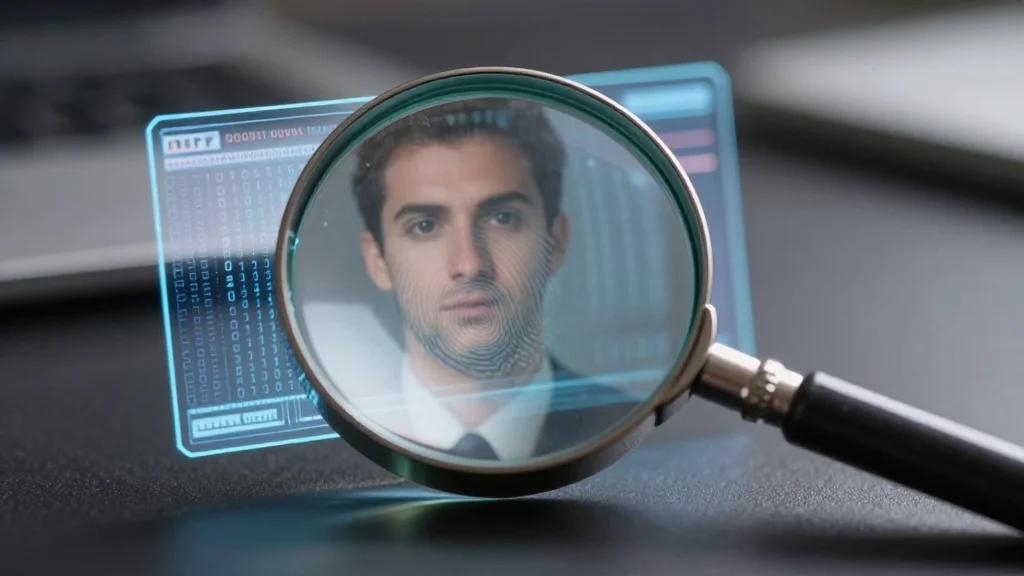
How the Experts Figure Out What’s Real in the Age of Deepfakes
Key Takeaways
- •NYT, Indicator, Bellingcat use layered visual authentication
- •Reverse‑image search reveals reused or stock footage
- •Metadata checks expose timestamps and device origins
- •Cross‑referencing with open‑source intel validates context
- •Human analysts remain essential despite AI detection tools
Pulse Analysis
The rapid proliferation of AI‑generated media has turned every major conflict into a visual minefield. After the joint US‑Israel strike on Iran in April 2026, social platforms were flooded with videos that ranged from authentic battlefield footage to clips lifted from the video game War Thunder and outright deepfakes. Such content can shape public opinion, influence diplomatic negotiations, and even trigger market volatility. Traditional fact‑checking pipelines, built for text, struggle to keep pace with the speed and sophistication of synthetic video, prompting newsrooms to double down on visual forensics.
Leading verification outfits—The New York Times, Indicator, and Bellingcat—have refined a multi‑step workflow that blends open‑source intelligence with manual scrutiny. Analysts start with reverse‑image searches to spot recycled frames, then examine EXIF metadata for inconsistencies in timestamps, camera models, or geolocation tags. They cross‑reference claims against satellite imagery, official statements, and eyewitness accounts, while also employing frame‑by‑frame error level analysis to detect subtle pixel anomalies. Although machine‑learning detectors are emerging, they still generate false positives, making human judgment the final arbiter of authenticity.
The stakes for accurate visual verification extend beyond journalism. Governments, financial firms, and tech platforms rely on trustworthy imagery to assess risk, allocate resources, and enforce policy. As deepfake technology becomes cheaper and more accessible, investment in both automated detection algorithms and skilled forensic teams will be essential. Organizations that embed rigorous verification into their editorial standards can safeguard credibility and mitigate the spread of disinformation. For consumers, understanding the tell‑tale signs highlighted by experts—such as mismatched lighting or absent metadata—offers a first line of defense against manipulated media.
How the experts figure out what’s real in the age of deepfakes
Comments
Want to join the conversation?