How to Choose an AI Chatbot Platform in 2026: A Buyer’s Framework That Survives the Hype
Companies Mentioned

Gartner
Why It Matters
The framework gives enterprises a defensible, data‑driven way to select a chatbot that scales with their channels and risk profile, reducing wasted spend and implementation failures in a rapidly expanding market.
Key Takeaways
- •Market size: conversational AI worth tens of billions, double‑digit growth.
- •Six‑dimension scoring framework evaluates channel, build, integration, AI control, analytics, cost.
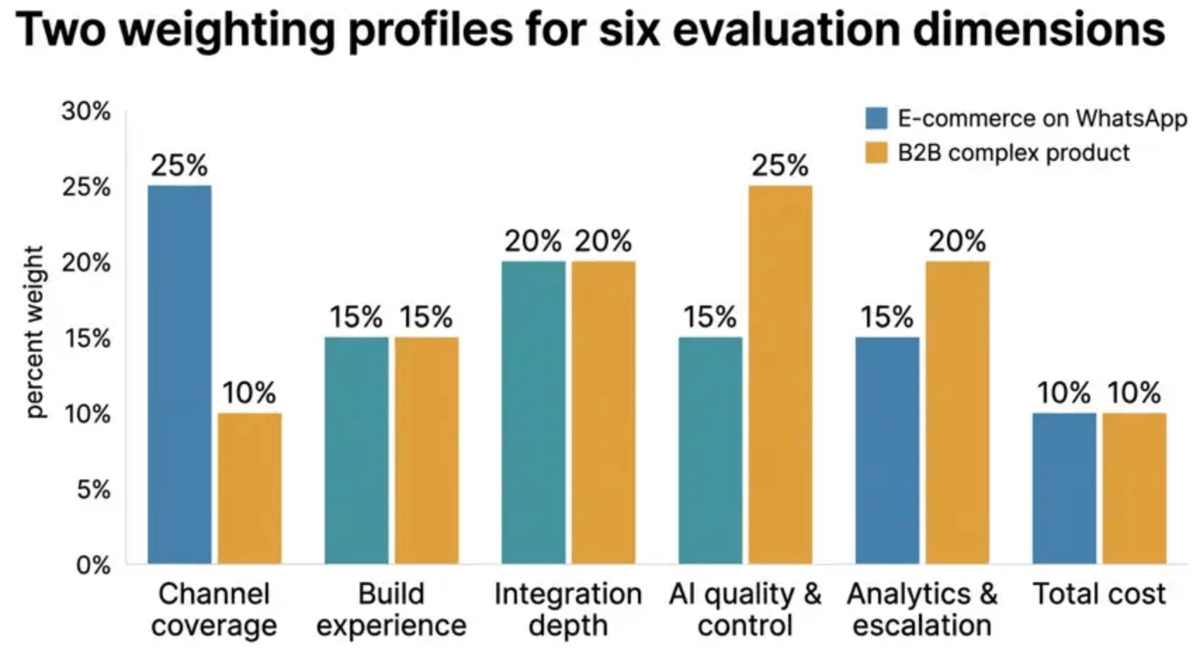
- •Weight dimensions to match specific channel mix and business priorities.
- •Pilot with real traffic before signing annual contracts to avoid costly mistakes.
- •Independent side‑by‑side analyses narrow shortlist before in‑house testing.
Pulse Analysis
The conversational AI market has surged into the tens of billions of dollars, driven by double‑digit annual growth and a flood of vendors promising "human‑like" interactions. This competitive pressure creates both opportunity and confusion for buyers, as feature sheets become indistinguishable and pricing models vary widely. A structured, data‑centric approach is essential to separate platforms that merely look good from those that can evolve with emerging agentic AI capabilities projected to dominate customer service by 2029.
The six‑dimension scoring framework outlined in the article addresses the core decision criteria. Channel coverage ensures the bot meets customers where they converse—whether on a website, WhatsApp, or SMS—while build experience gauges the true no‑code usability for ongoing updates. Integration depth measures whether the bot can pull order data or CRM records, preventing it from becoming a static FAQ. AI quality and control focus on grounding responses in proprietary knowledge bases and limiting hallucinations, a critical factor for regulated or high‑stakes environments. Analytics and escalation provide visibility into performance gaps, and total cost calculations incorporate hidden fees such as per‑message or per‑resolution charges, delivering a realistic total cost of ownership.
Practically, organizations should translate the weighted scores into a defensible ranking and then run a short, two‑week pilot with authentic traffic. This live test reveals hidden costs, integration challenges, and user experience issues that demos often mask. Coupling the pilot with independent side‑by‑side vendor analyses further narrows the field, ensuring the final selection aligns with both current channel needs and future scalability. By following this evidence‑based process, businesses can avoid costly missteps, secure a chatbot that truly enhances customer service, and protect their investment as the AI landscape continues to evolve.
How to Choose an AI Chatbot Platform in 2026: A Buyer’s Framework That Survives the Hype
Comments
Want to join the conversation?
Loading comments...