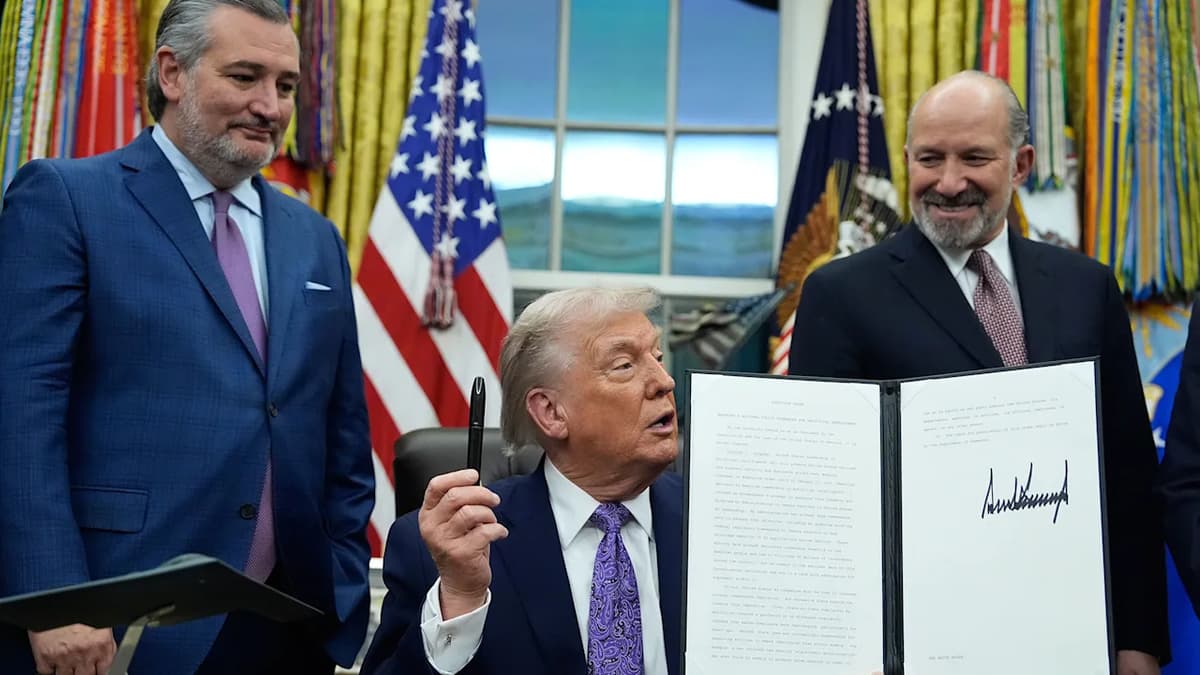
How Trump Is Blocking U.S. States From Regulating Artificial Intelligence
•December 12, 2025
0
Why It Matters
Centralizing AI policy could accelerate national competitiveness but also limits state experimentation and consumer protections, reshaping the regulatory landscape for the fast‑growing technology sector.
Key Takeaways
- •Trump EO creates task force to challenge state AI laws.
- •Funding may be withheld from states with restrictive AI regulations.
- •Only “most onerous” state rules targeted, not child‑safety measures.
- •Colorado, California, Utah, Texas already enacted AI transparency statutes.
- •Industry fears patchwork rules could hinder U.S. AI competitiveness.
Pulse Analysis
The new executive order reflects a strategic shift toward federal preemption in artificial intelligence governance. By positioning the United States as a single regulatory arena, the administration hopes to eliminate the “50‑state approval” nightmare that could slow AI investment and give China a decisive edge. This move aligns with broader trade‑policy goals, emphasizing streamlined approvals and uniform standards to attract capital and talent, while signaling to global competitors that the U.S. will not tolerate fragmented oversight.
For AI firms, the order introduces both certainty and risk. Companies operating across multiple jurisdictions can now anticipate a more consistent compliance framework, potentially reducing legal costs and accelerating product rollouts. However, the threat of withholding broadband and other federal grants creates leverage that could pressure state legislatures to roll back or dilute existing AI statutes, such as those in Colorado, California, Utah and Texas that mandate transparency and data‑privacy safeguards. Legal experts expect a surge in litigation as states challenge the federal task force’s authority, setting the stage for a Supreme Court showdown over the balance of power in technology regulation.
Critics argue that sidelining state initiatives may erode consumer protections and civil‑liberties oversight, especially in areas like algorithmic bias, deep‑fake misuse, and privacy. While the administration claims it will not oppose “kid safety” measures, the broader implication is a federal preference for industry‑friendly rules over granular, locally tailored safeguards. As AI continues to influence hiring, lending, and healthcare decisions, the tension between innovation speed and responsible oversight will shape policy debates and market dynamics for years to come.
How Trump is blocking U.S. states from regulating artificial intelligence
0
Comments
Want to join the conversation?
Loading comments...