HP’s Latest OmniBooks Are Getting Chip Bumps and OLED Screens
•January 5, 2026
0
Companies Mentioned


Why It Matters
These upgrades position HP to compete in the emerging AI‑focused laptop market, offering on‑device inference that can lower enterprise cloud costs and meet privacy demands.
Key Takeaways
- •Ultra 14 switches to Intel Panther Lake and Snapdragon X2.
- •Up to 64 GB RAM and 2 TB SSD options.
- •OLED display 2880×1800, improves visual fidelity.
- •Battery life up to 30 hours on Qualcomm models.
- •Compact vapor chamber cooling for AI‑heavy workloads.
Pulse Analysis
At CES 2026 HP unveiled a refreshed OmniBook family that positions the brand squarely in the fast‑growing AI‑enabled laptop segment. By pairing Intel’s upcoming Panther Lake silicon with Qualcomm’s Snapdragon X2 Elite, the company aims to compete with Microsoft Surface and Apple’s MacBook Air, which have already introduced AI accelerators. The “Next‑Gen AI PC” label signals HP’s intent to capture enterprise customers seeking on‑device inference without relying on cloud resources, a trend accelerated by data‑privacy regulations and rising edge‑compute demand.
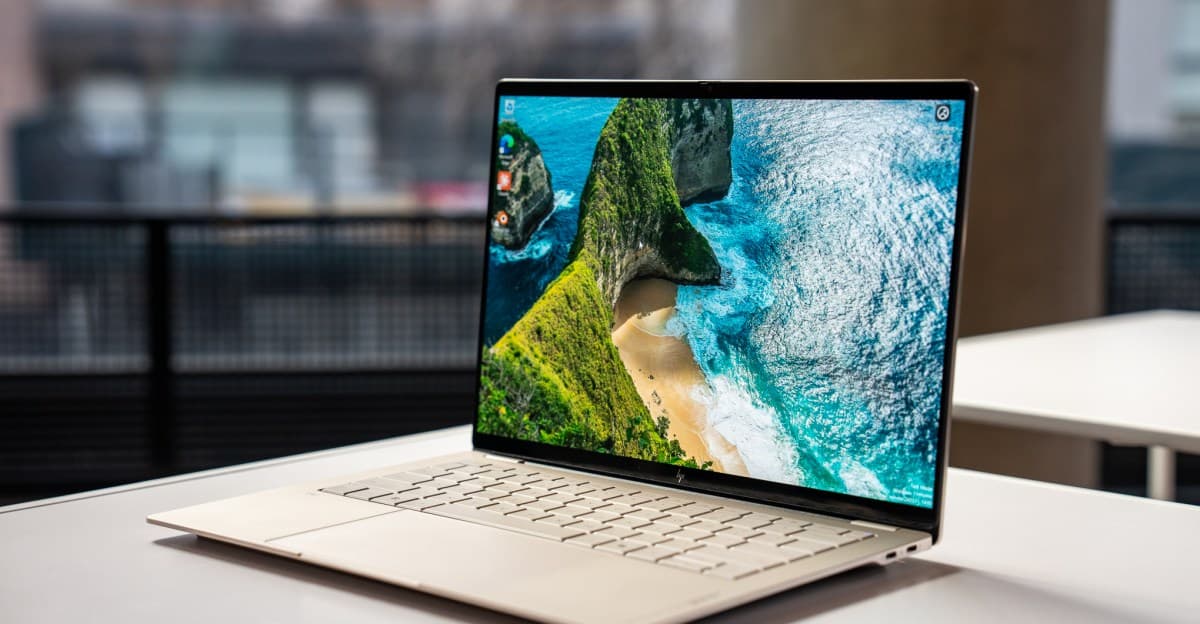
The flagship OmniBook Ultra 14 upgrades its core hardware dramatically. Memory capacity doubles to 64 GB and storage tops out at 2 TB, while the display jumps to a 2880 × 1800 OLED panel, delivering deeper blacks and higher contrast than the previous IPS screen. Qualcomm’s 18‑core Snapdragon X2 Elite X2E‑90‑100 boasts 85 TOPS of neural processing, outpacing the prior AMD AI‑300 series’ 55 TOPS, and Intel variants are expected to match or exceed this metric. A compact vapor‑chamber cooling system and integrated graphics keep the 2.8‑lb chassis thin, and battery endurance stretches to 20‑30 hours depending on the processor choice.
Beyond the Ultra, HP’s broader OmniBook refresh introduces AI‑ready configurations across the 3, 5, 7 and X lines, with OLED as standard on the mid‑range 5 and optional on future X models. This diversified portfolio gives businesses flexibility to select Intel, AMD or Snapdragon silicon based on workload profiles, from data‑science notebooks to lightweight field devices. By delivering on‑device AI performance, longer battery life and premium displays, HP aims to reduce reliance on external cloud services, potentially lowering total cost of ownership for enterprises. The move also pressures rivals to accelerate their own AI‑centric hardware roadmaps.
HP’s latest OmniBooks are getting chip bumps and OLED screens
0
Comments
Want to join the conversation?
Loading comments...