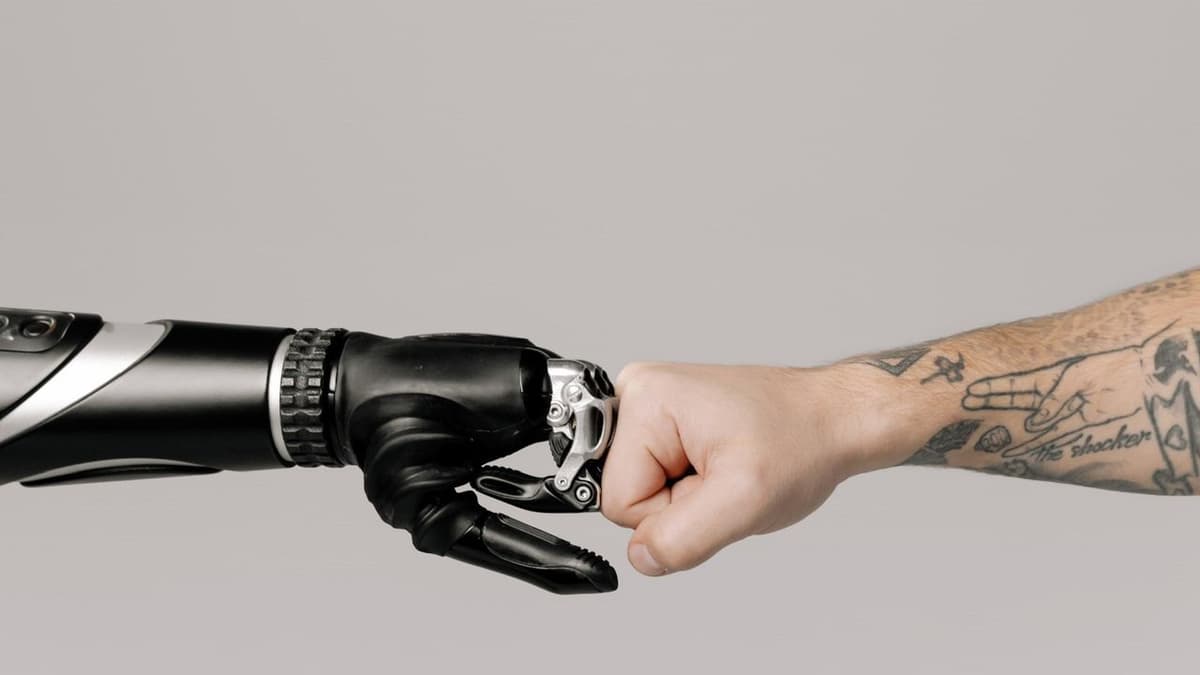
Humanoid Robots Are About to Become the New Smartphones of Our Lives
•November 24, 2025
0
Companies Mentioned


Why It Matters
The rapid commercialization of humanoid robots could reshape labor markets, alleviate global workforce deficits, and create a new consumer ecosystem, driving significant economic impact and prompting regulatory and ethical debates across industries.
Key Takeaways
- •Humanoid market projected $5 trillion by 2050
- •1 billion robots expected worldwide by 2050
- •Labor shortages drive adoption in manufacturing
- •Healthcare faces 11 million worker shortfall by 2030
- •Unit costs fell >40% from 2022‑2024
Pulse Analysis
The convergence of advanced robotics, AI, and declining component costs is creating a fertile ground for humanoid robots to transition from novelty to necessity. Early deployments in logistics and automotive plants demonstrate tangible efficiency gains, while the looming talent crunch in manufacturing forces firms to explore automation as a strategic imperative. As supply chains mature and economies of scale kick in, the price trajectory mirrors that of early smartphones, making widespread adoption financially viable for mid‑size enterprises.
Beyond the factory floor, the service economy stands to benefit dramatically. Healthcare systems worldwide confront a looming shortfall of millions of workers, especially in aging societies where demand for elder‑care is surging. Humanoid robots can augment nurses by handling physically demanding tasks, monitoring vitals, and ensuring continuous operation through innovations like rapid battery swapping. Hospitality and retail also see opportunities for robots to enhance guest experiences, reduce labor turnover, and maintain service standards without escalating costs.
For consumers, the next decade may bring personal assistants that handle chores, provide medication reminders, and support independent living for seniors. Companies such as 1X and Figure AI are already marketing home‑ready models, signaling a shift toward mass‑market availability. As regulatory frameworks solidify and public trust grows, the integration of humanoids into daily life will likely echo the smartphone’s evolution—from a luxury gadget to an essential, always‑present tool. This transformation will redefine productivity, reshape workforce structures, and open new avenues for value creation across sectors.
Humanoid robots are about to become the new smartphones of our lives
0
Comments
Want to join the conversation?
Loading comments...