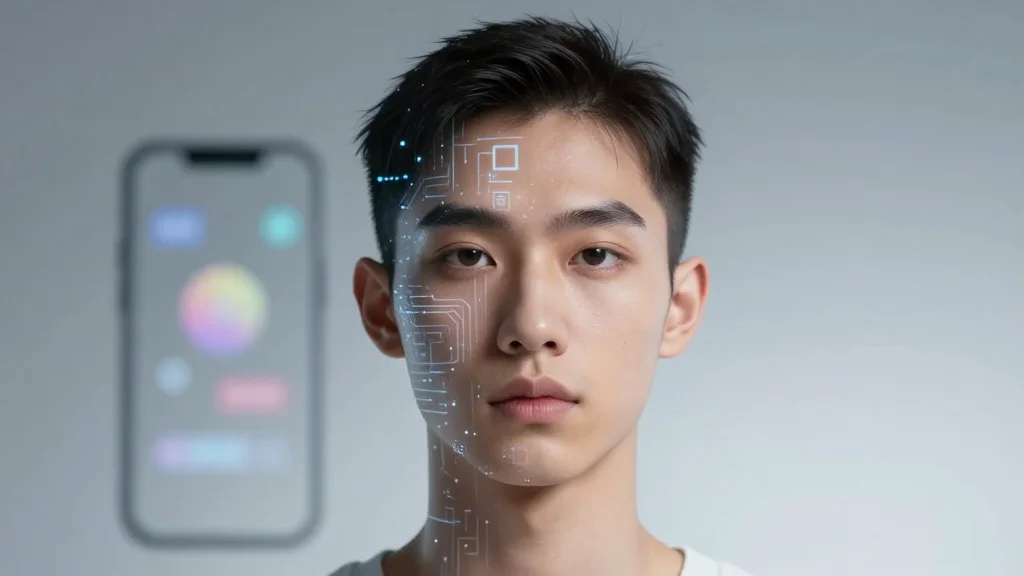
Hundreds of Fake Pro-Trump Avatars Emerge on Social Media
Why It Matters
Synthetic political avatars can amplify partisan messaging at scale, blurring the line between authentic voices and algorithm‑driven propaganda, which threatens election integrity and platform trust.
Key Takeaways
- •Hundreds of AI-generated pro‑Trump avatars launched across TikTok, Instagram, Facebook, YouTube
- •Avatars post identical captions praising God, America, and Trump
- •Trump’s official account has reshared content from at least one fake influencer
- •Campaigns target swing voters with rapid, emotionally charged political messaging
- •Platform moderation faces new challenges detecting synthetic political personas
Pulse Analysis
The emergence of AI‑crafted political avatars marks a watershed moment for digital campaigning. Leveraging generative models, creators can spin up lifelike influencers in minutes, complete with polished video production and scripted rhetoric. Unlike traditional bots that rely on text, these avatars combine visual appeal with rapid content cycles, making them especially potent on image‑centric platforms. Their deployment ahead of the 2026 midterms reflects a strategic shift: parties and operatives now view synthetic personalities as scalable mouthpieces capable of reaching demographics that may distrust conventional political ads.
Beyond sheer novelty, the avatars reshape voter engagement dynamics. By echoing identical slogans—"I’m new here and love God, America, and Trump!!"—they create a chorus effect that can amplify perceived consensus among undecided or swing voters. The fact that President Trump’s verified account amplified one such post adds a layer of credibility, potentially nudging followers to assume authenticity. This convergence of deep‑fake aesthetics and partisan messaging raises alarm bells for platform moderators, who must now differentiate between genuine user‑generated content and algorithm‑produced propaganda that can evade traditional detection tools.
Regulators and social media firms face an urgent imperative to adapt. Current policies, largely built around text‑based misinformation, are ill‑equipped for synthetic visual media that can be mass‑produced and disseminated in seconds. Emerging solutions—watermarking AI outputs, real‑time deep‑fake detection, and stricter verification for political advertising—are being piloted, but widespread adoption remains uneven. For political strategists, the lesson is clear: authenticity will become a scarce commodity, and investing in media literacy for constituents may prove as valuable as any ad spend. As synthetic influencers proliferate, the industry must balance innovation with safeguards to preserve democratic discourse.
Hundreds of Fake Pro-Trump Avatars Emerge on Social Media
Comments
Want to join the conversation?
Loading comments...