I Tested Nvidia's DLSS 4.5 — and It's so Great, I Can Barely Spot the Difference Between Upscaler Modes
•January 28, 2026
0
Companies Mentioned


Why It Matters
DLSS 4.5 lets mid‑range laptops achieve near‑native visual fidelity without sacrificing frame rates, broadening high‑quality gaming access and pressuring developers to prioritize native optimization.
Key Takeaways
- •DLSS 4.5 narrows gap between Quality and Performance
- •RTX 5060 laptop sees only 5‑7% performance hit
- •Older RTX 30 GPUs may lose 20‑25% fps
- •Frame Generation smoother with DLSS 4.5 Balanced mode
- •Ultra Performance remains blurry, unsuitable for high fidelity
Pulse Analysis
Upscaling technologies have become a cornerstone of modern PC gaming, allowing titles with ever‑rising graphical demands to run smoothly on a wider range of hardware. Nvidia’s DLSS series has led this shift, evolving from early convolutional neural networks to the current transformer‑based architecture. DLSS 4.5 represents the latest leap, leveraging a second‑generation transformer model that refines edge detail and curtails ghosting, while integrating more efficient Frame Generation. This technical progression means gamers no longer need to choose between visual fidelity and performance, especially on laptops equipped with RTX 50‑series GPUs.
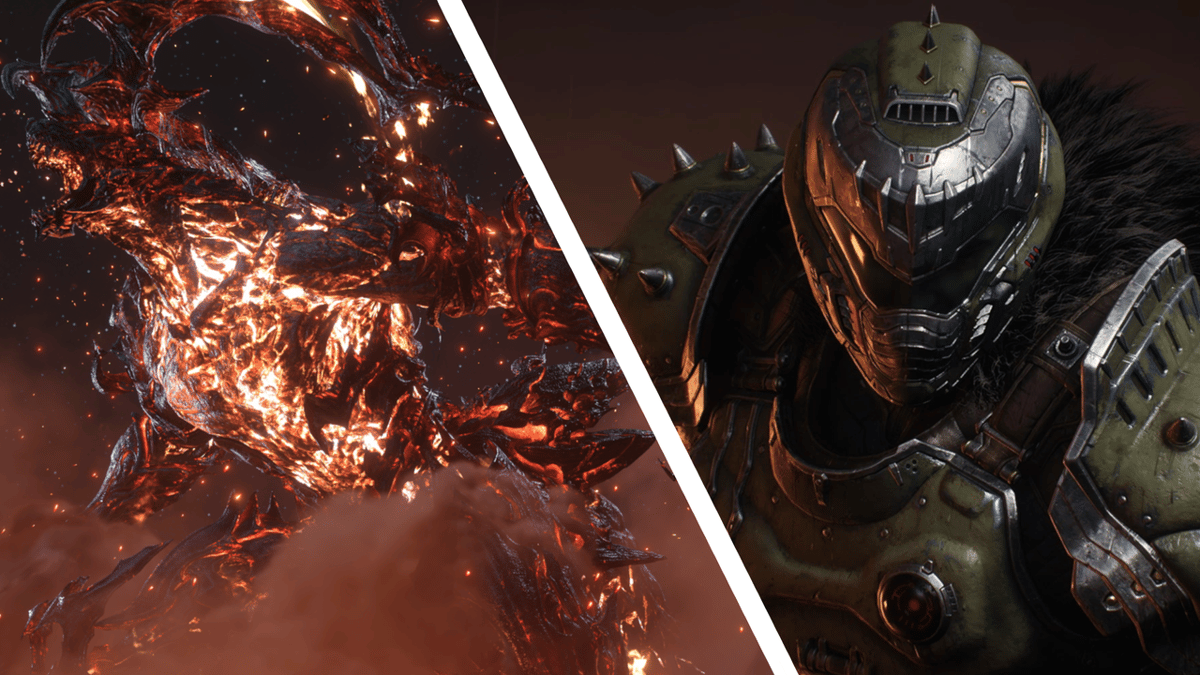
The real‑world impact of DLSS 4.5 is evident in benchmark data from the Lenovo LOQ 15i Gen 10, where the RTX 5060 delivers only a 5‑7% frame‑rate dip compared with DLSS 4, despite a noticeable boost in sharpness and stability. In contrast, legacy RTX 30 cards, which lack native FP8 tensor support, can suffer 20‑25% losses when the new algorithm is forced onto them. Games like Doom: The Dark Ages, Final Fantasy 16, and Arc Raiders demonstrate that Performance and Quality modes now produce virtually indistinguishable visuals, while the Ultra Performance tier remains the outlier with persistent blur.
For the broader market, DLSS 4.5 signals that high‑quality gaming is becoming less dependent on premium GPUs, expanding the viable audience for demanding titles. Developers may feel less pressure to heavily optimize native resolutions, but reliance on upscaling as a crutch could mask underlying performance inefficiencies. As transformer‑based upscalers mature, the industry will likely see a convergence toward lower native resolutions paired with sophisticated AI enhancement, reshaping hardware expectations and pricing dynamics for the next generation of gaming laptops and desktops.
I tested Nvidia's DLSS 4.5 — and it's so great, I can barely spot the difference between upscaler modes
0
Comments
Want to join the conversation?
Loading comments...