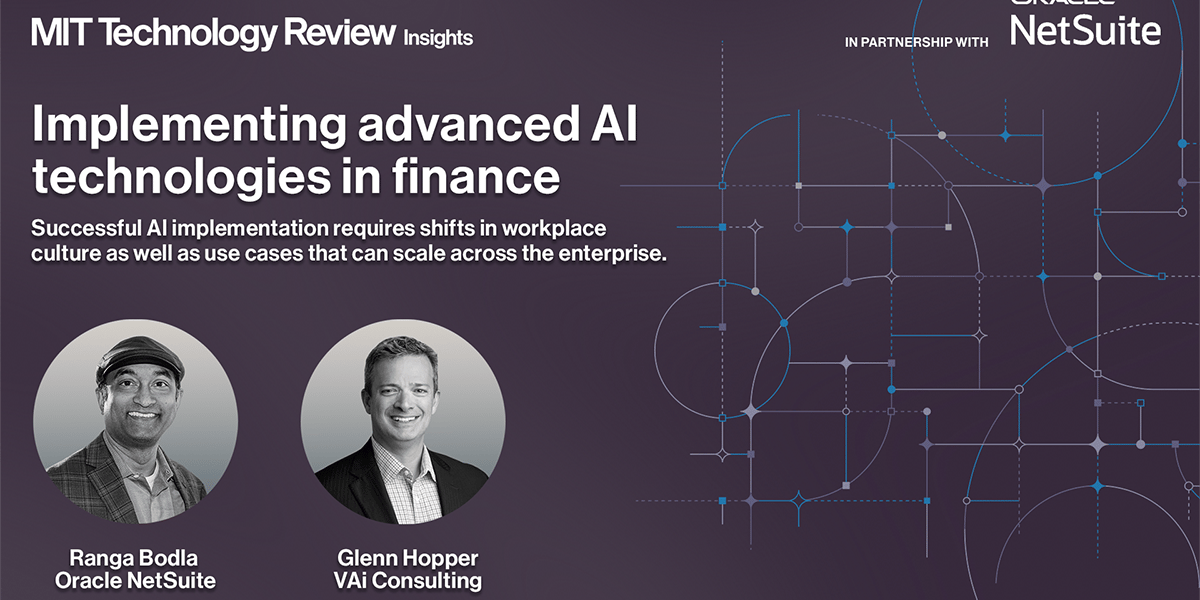
Implementing Advanced AI Technologies in Finance
Why It Matters
The unchecked spread of AI in finance forces leaders to balance productivity gains with regulatory compliance and risk management, reshaping how the function operates. Bridging the talent gap is critical to unlocking AI’s full value and avoiding costly workarounds.
Key Takeaways
- •AI adoption in finance outpaces governance, prompting executive oversight
- •Integration ease drives AI uptake more than cost savings
- •Talent gap between finance expertise and AI fluency hampers effectiveness
- •Embedded AI tools aim to augment, not replace, finance workflows
Pulse Analysis
The finance function, long defined by precision and control, is now undergoing a grassroots AI transformation. Employees have begun leveraging generative models for variance analysis, fraud detection, and even drafting close narratives, often without a formal strategy. This bottom‑up adoption creates a paradox: a heavily regulated area is being reshaped experimentally, compelling senior leaders to retrofit governance, auditability, and risk frameworks after the fact. The urgency reflects broader enterprise trends where technology outpaces policy, demanding agile oversight mechanisms.
What distinguishes the current wave is the emphasis on seamless integration rather than headline cost reductions. Solutions like Oracle NetSuite’s Model Context Protocol (MCP) embed AI directly into existing ERP and financial reporting tools, making the technology invisible to end‑users. By turning AI into an ambient capability, firms reduce friction and accelerate rollout, allowing finance teams to focus on insight generation instead of tool management. This integration‑first mindset also lowers barriers for smaller finance units that lack dedicated AI budgets, democratizing access across the organization.
Nevertheless, the human factor remains the most significant constraint. A widening gap between domain expertise and AI fluency threatens to dilute the promised productivity gains, as employees may either misuse models or develop workarounds that bypass controls. Companies that invest in upskilling finance professionals and establishing clear model governance will better capture AI’s potential. Looking ahead, multi‑step AI agents and expanded context windows will shift finance from reconciling past data toward strategic scenario planning, positioning the function as a forward‑looking decision engine rather than a back‑office cost center.
Implementing advanced AI technologies in finance
Comments
Want to join the conversation?
Loading comments...