India Wants Manufacturing at 25% of GDP — Will AI in Factories Help?
Why It Matters
Achieving the 25% target would boost India’s industrial output, create high‑skill jobs, and reduce reliance on low‑value services. Demonstrating scalable AI in factories signals to investors that the country’s manufacturing sector is ready for modern, competitive growth.
Key Takeaways
- •India targets manufacturing 25% of GDP, up from 16%
- •AI cuts steel material costs and predicts equipment failures
- •Scaling AI beyond pilots is essential for sector growth
- •AI makes factories ‘cool’ to lure engineers from IT
- •PwC and JSW see AI, not robots, driving jobs
Pulse Analysis
India’s ambition to raise manufacturing to a quarter of its GDP reflects a strategic pivot from a services‑driven economy to a more balanced, export‑oriented model. While the target sounds lofty, the country’s recent AI investments provide a plausible pathway. AI‑enabled analytics can optimize supply chains, reduce waste, and improve yield in heavy‑industry sectors such as steel and cement, where margins are thin and downtime is costly. By embedding machine‑learning models directly into equipment, firms can shift from reactive maintenance to predictive strategies, unlocking cost savings that directly feed GDP growth.
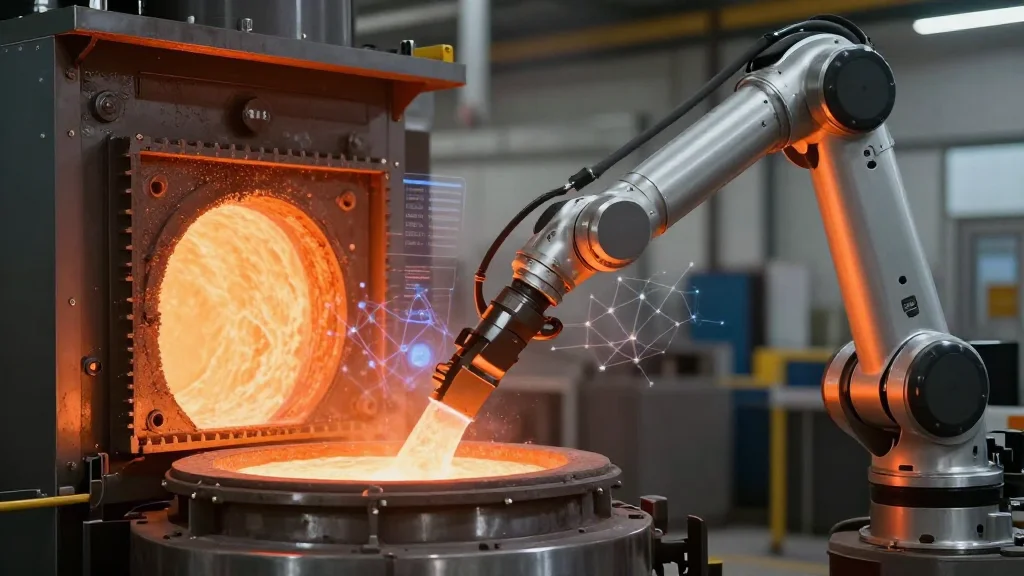
In practice, AI is already reshaping steel production at companies like JSW Group. Advanced computer‑vision systems monitor furnace temperatures in real time, while predictive algorithms flag wear on critical components before failures occur. These interventions have trimmed material consumption by double‑digit percentages and cut unplanned outages, translating into billions of rupees saved annually. However, the technology’s impact remains confined to pilot programs; scaling requires robust data pipelines, skilled data scientists, and clear ROI frameworks. Industry leaders argue that overcoming these operational hurdles is more decisive than any single breakthrough.
Beyond efficiency, AI is being positioned as a talent magnet. The narrative that manufacturing is “dirty” or “low‑tech” is being replaced with stories of digital twins, smart factories, and data‑driven decision making. By showcasing cutting‑edge AI projects, firms hope to lure the country’s brightest engineers away from traditional IT outsourcing roles and into the factory floor. This talent shift could accelerate innovation, foster homegrown expertise, and ultimately sustain the GDP manufacturing target, signaling to global investors that India’s industrial renaissance is technologically grounded.
India wants manufacturing at 25% of GDP — will AI in factories help?
Comments
Want to join the conversation?
Loading comments...