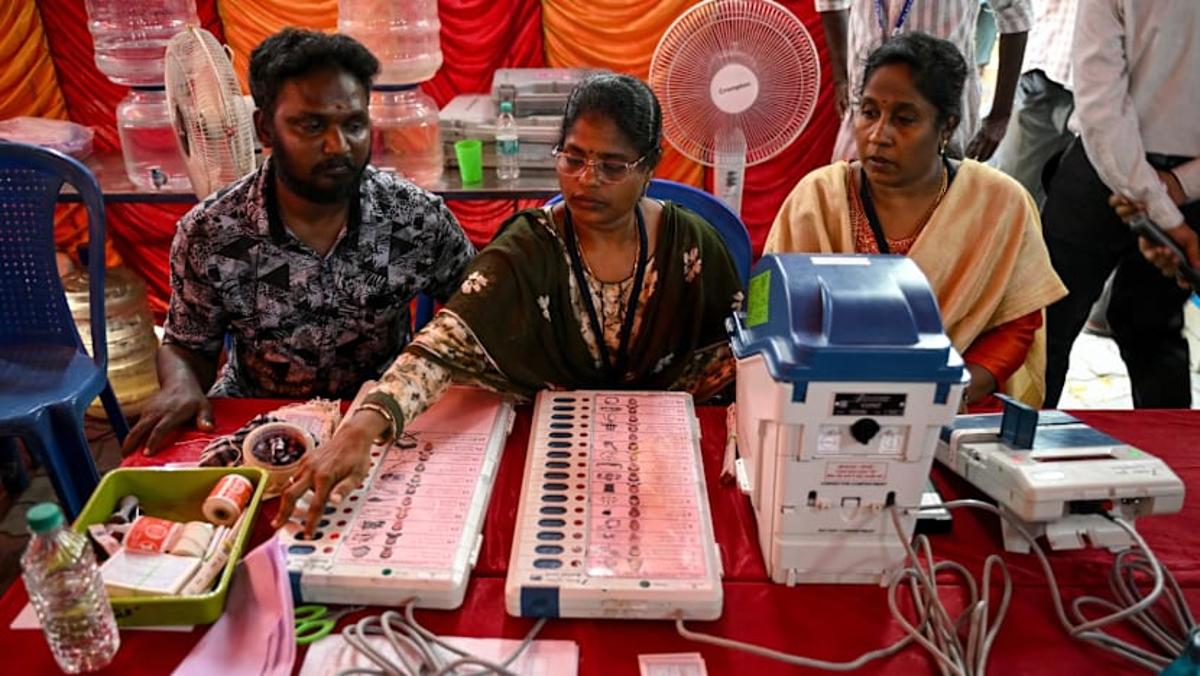
India’s State Elections See AI Moving From the Margins to the Mainstream
Why It Matters
AI’s integration reshapes Indian political campaigning, amplifying reach, speed and precision while raising new risks of misinformation and regulatory gaps. The shift signals a lasting transformation for electoral strategy across the world’s largest democracy.
Key Takeaways
- •Tamil Nadu's AI war rooms equal grassroots teams.
- •AI drives hyper‑personalised micro‑targeting using booth‑level voter data.
- •Parties hire AI engineers at ₹80‑90k (~$860‑$970) monthly.
- •ECI used AI for surveillance and voter‑awareness videos.
- •Deepfake videos and voice clones fuel misinformation in polarized states.
Pulse Analysis
The 2026 state elections mark a watershed moment for artificial intelligence in Indian politics. After a pilot phase in the 2024 Lok Sabha race, parties have institutionalised AI through dedicated digital war rooms, especially in Tamil Nadu, where AI teams now match traditional field operatives. These hubs automate content creation, translate speeches into regional languages, and generate synthetic avatars, allowing campaigns to maintain a relentless online presence. The rapid scaling reflects both the competitive pressure to out‑produce rivals and the growing availability of affordable generative tools.
Beyond content, AI is redefining voter outreach. Campaigns employ machine‑learning models to sift through booth‑level voting histories, welfare beneficiary lists and social‑media behaviour, crafting hyper‑personalised messages that address local grievances in real time. Voice‑cloning and deepfake videos have become commonplace, blurring the line between authentic statements and synthetic propaganda. In Assam and West Bengal, AI‑enhanced narratives exploit existing religious and identity tensions, while the Election Commission’s AI‑driven surveillance and voter‑awareness videos illustrate how regulators are also adopting the technology—though controversies over a massive AI‑based voter‑roll purge highlight governance challenges.
The implications are profound for political strategy and democratic health. AI lowers the barrier for smaller parties to produce professional‑grade content, potentially diversifying the electoral field, yet it also amplifies the speed and scale of misinformation. Experts warn that without robust disclosure mandates, watermarking standards and grassroots AI‑literacy programs, voters may struggle to discern fact from fabricated media. As AI becomes entrenched in campaign workflows, future elections will likely see even tighter integration of data‑driven micro‑targeting, prompting a race between technological innovation and regulatory capacity to safeguard the integrity of India’s democratic processes.
India’s state elections see AI moving from the margins to the mainstream
Comments
Want to join the conversation?
Loading comments...