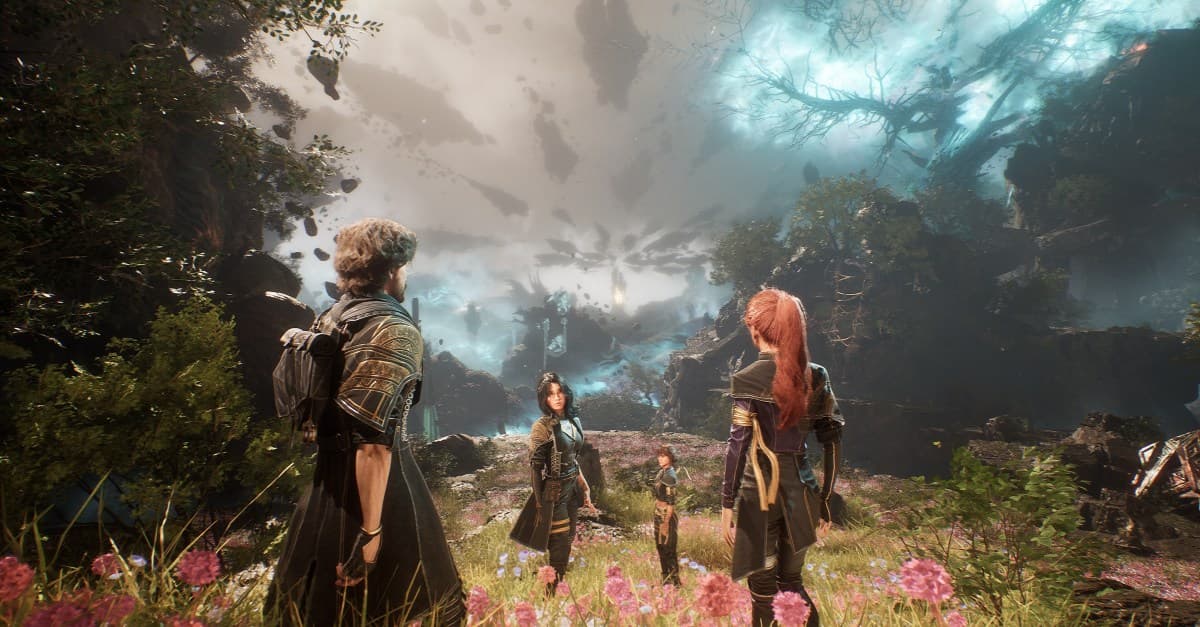
Indie Game Awards Retracts Expedition 33 Prizes Due to Generative AI
•December 22, 2025
0


Why It Matters
The decisions signal a tightening of AI governance in game awards, influencing how indie developers disclose technology use and shaping market trust in creative authenticity.
Key Takeaways
- •Indie Game Awards rescind Expedition 33 awards over AI usage
- •Generative AI ban applies to all nomination stages
- •Blue Prince wins Game of the Year, AI-free claim
- •Indie Vanguard award withdrawn due to ModRetro hardware ties
- •Policy highlights growing AI governance challenges in gaming
Pulse Analysis
The recent rescindment by the Indie Game Awards highlights a pivotal shift in how the gaming industry polices generative AI. While AI tools have accelerated asset creation, award bodies are drawing a line to preserve artistic integrity and ensure a level playing field. By enforcing a blanket prohibition on AI‑generated content during the nomination process, the IGAs are positioning themselves as custodians of traditional craftsmanship, a stance that resonates with purist segments of the indie community and investors wary of diluted brand value.
For developers, the fallout serves as a cautionary tale about transparency and risk management. Studios that incorporate AI must now document usage meticulously and be prepared to justify creative decisions to both juries and the public. The reallocation of Game of the Year to Blue Prince, a title marketed as entirely human‑crafted, may encourage competitors to emphasize manual artistry in their branding, potentially reshaping marketing narratives and funding pitches. Moreover, the withdrawal of the Indie Vanguard award over ModRetro’s defense‑linked hardware underscores how non‑technical affiliations can also jeopardize recognition, prompting studios to scrutinize partner ecosystems.
Looking ahead, the industry is likely to see more formalized AI disclosure standards, possibly mirroring regulations emerging in other creative sectors. Award organizations may adopt tiered categories that separate AI‑assisted projects from purely human‑made works, fostering innovation without compromising credibility. As generative tools become ubiquitous, the balance between efficiency and authenticity will define the next wave of indie success stories, and entities that navigate this terrain responsibly will gain both critical acclaim and consumer trust.
Indie Game Awards retracts Expedition 33 prizes due to generative AI
0
Comments
Want to join the conversation?
Loading comments...