Innovation Insights Quarterly: Q2 2026
Why It Matters
These innovations lower operational costs, expand scalability, and address critical health, food, water and safety challenges, accelerating adoption of autonomous and sustainable solutions.
Key Takeaways
- •AI lets farm robots adapt to new weeds in minutes, cutting retraining
- •Cell therapy produces insulin without immunosuppressants, easing Type 1 diabetes treatment
- •Injectable pacemaker dissolves after weeks, reducing infection risk post‑surgery
- •Subsea desalination uses ocean pressure, slashing energy use and land footprint
- •AI‑searchable license plates solved 700k crimes, boosting clearance rates
Pulse Analysis
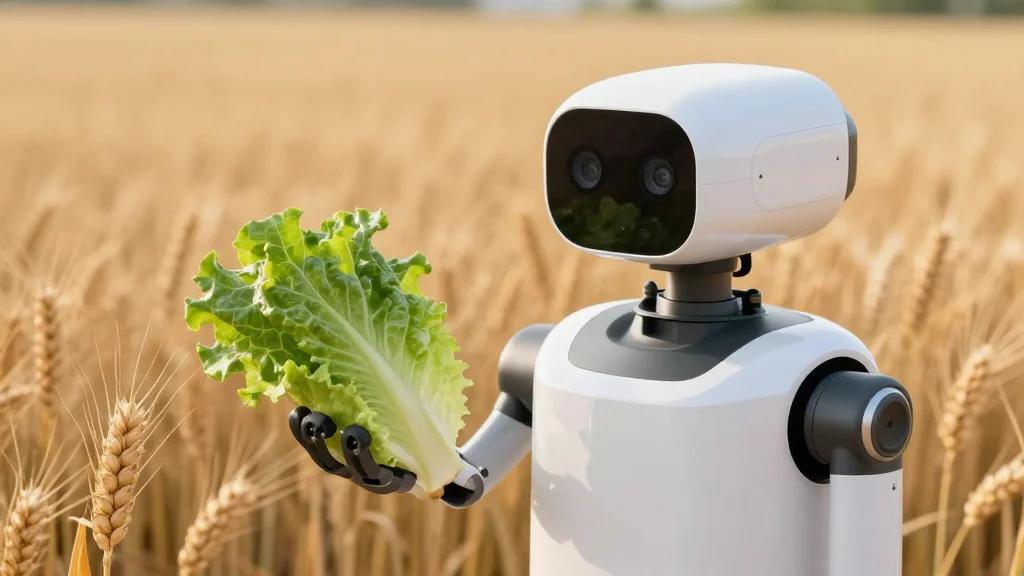
Precision agriculture is poised for a leap forward as a new AI‑driven plant‑recognition model lets laser‑weeding robots differentiate crops from weeds on the fly. By eliminating weeks‑long data‑labeling cycles, farmers can reduce herbicide applications, curb labor costs, and protect yields that would otherwise fall up to 50 % in corn and 52 % in soybeans. The technology’s rapid field‑adjustability also lowers entry barriers for midsize operations, making autonomous weeding a viable component of sustainable farming portfolios.
In the health arena, engineered cell therapy that generates insulin‑producing islet cells without triggering immune rejection marks a potential turning point for Type 1 diabetes treatment. Removing the need for lifelong immunosuppressants could expand eligibility and lower long‑term care expenses for the 9.2 million patients worldwide. Meanwhile, a light‑activated, injectable pacemaker that self‑dissolves after a few weeks offers a minimally invasive bridge for post‑operative cardiac care, especially for newborns, by eliminating wires that cause infections and tissue damage.
Infrastructure and public safety also see AI‑enabled disruption. A subsea desalination system leverages ambient ocean pressure to drive reverse‑osmosis, dramatically cutting energy consumption and freeing up coastal land—critical advantages as 2.2 billion people still lack safe drinking water. Parallelly, AI‑enhanced license‑plate cameras transform passive surveillance into searchable evidence, reportedly aiding the resolution of more than 700,000 crimes annually. Together, these advances illustrate how intelligent automation can simultaneously tackle resource scarcity, health burdens, and security challenges.
Innovation Insights Quarterly: Q2 2026
Comments
Want to join the conversation?
Loading comments...