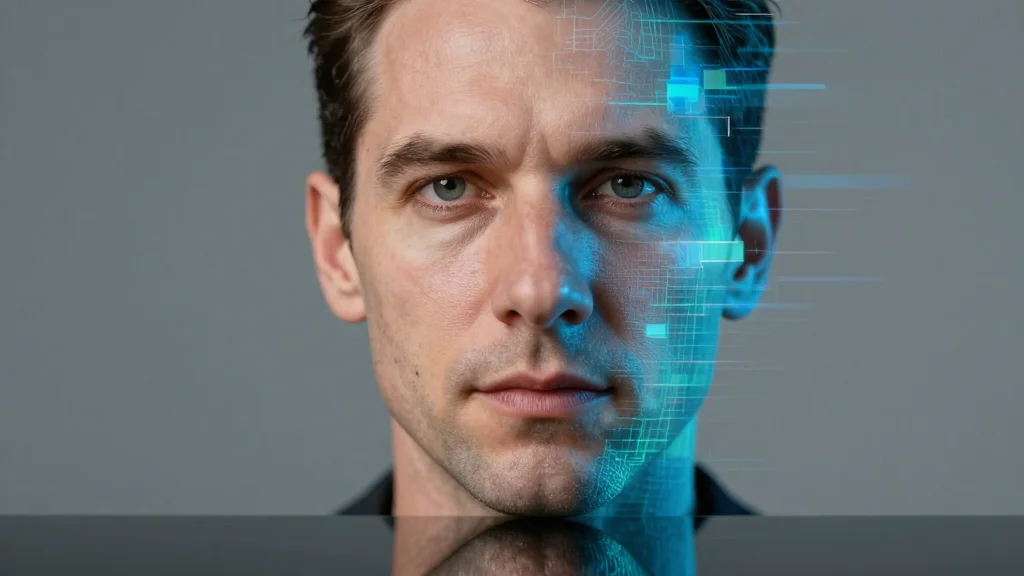
Inside the Chinese Realtime Deepfake Software Powering Scams Around the World
Key Takeaways
- •Haotian AI enables live face swapping on Zoom, Teams, WhatsApp, TikTok
- •Software sold by Chinese scammers generated over $4 million in revenue
- •Tool is built on open‑source face‑swap code with premium support
- •Real‑time deepfakes can impersonate police, boost romance and tax scams
- •Low‑tech criminals now access sophisticated fraud tech, raising global threat
Pulse Analysis
The emergence of Haotian AI marks a watershed moment in the evolution of synthetic media. Earlier deepfakes required pre‑recorded footage and extensive computing power, limiting their use to well‑funded actors. Haotian AI, however, delivers sub‑second facial morphing directly within live video streams, exploiting consumer‑grade GPUs found in gaming laptops. By packaging open‑source face‑swap algorithms with a user‑friendly interface and dedicated technical support, the developers have democratized a capability that was once the domain of elite cyber‑crime groups.
For fraud investigators, the tool reshapes threat modeling across multiple verticals. Romance scammers can now appear as a trusted partner in real time, while impersonators of law‑enforcement agencies can pressure victims into immediate payments. The software’s compatibility with ubiquitous platforms—Zoom, Microsoft Teams, WhatsApp, TikTok, Instagram and YouTube—means that traditional channel‑based defenses are insufficient. Detection systems must evolve from static video analysis to dynamic, frame‑by‑frame authentication, potentially leveraging biometric liveness checks and AI‑driven anomaly detection to flag sudden facial inconsistencies.
Policymakers and tech firms face an urgent imperative to close the gap. Regulatory frameworks should mandate transparency features, such as visible watermarks or cryptographic signatures, for live video streams. Meanwhile, platform providers need to embed real‑time deepfake detection at the edge, balancing privacy concerns with fraud mitigation. As the market for illicit AI services expands, coordinated international law‑enforcement action against the underlying money‑laundering networks will be essential to deter further proliferation. The Haotian AI case underscores that without swift, multi‑stakeholder responses, real‑time synthetic media could become a standard tool in the fraudster’s arsenal.
Inside the Chinese Realtime Deepfake Software Powering Scams Around the World
Comments
Want to join the conversation?