Inside the Start-Up Aiming for a Giant Leap in Robot Intelligence
Why It Matters
A flexible, language‑driven robot brain could dramatically lower integration costs and accelerate adoption of robotics in consumer and service sectors, reshaping labor dynamics and productivity.
Key Takeaways
- •Physical Intelligence uses LLMs to translate instructions into robot actions
- •System demonstrated coffee making, laundry folding, vegetable peeling, and cleaning
- •Start‑up targets a universal control layer for multiple robot platforms
- •Multi‑task capability aims to replace single‑purpose industrial robots
- •Goal: embed adaptable robots into everyday consumer environments
Pulse Analysis
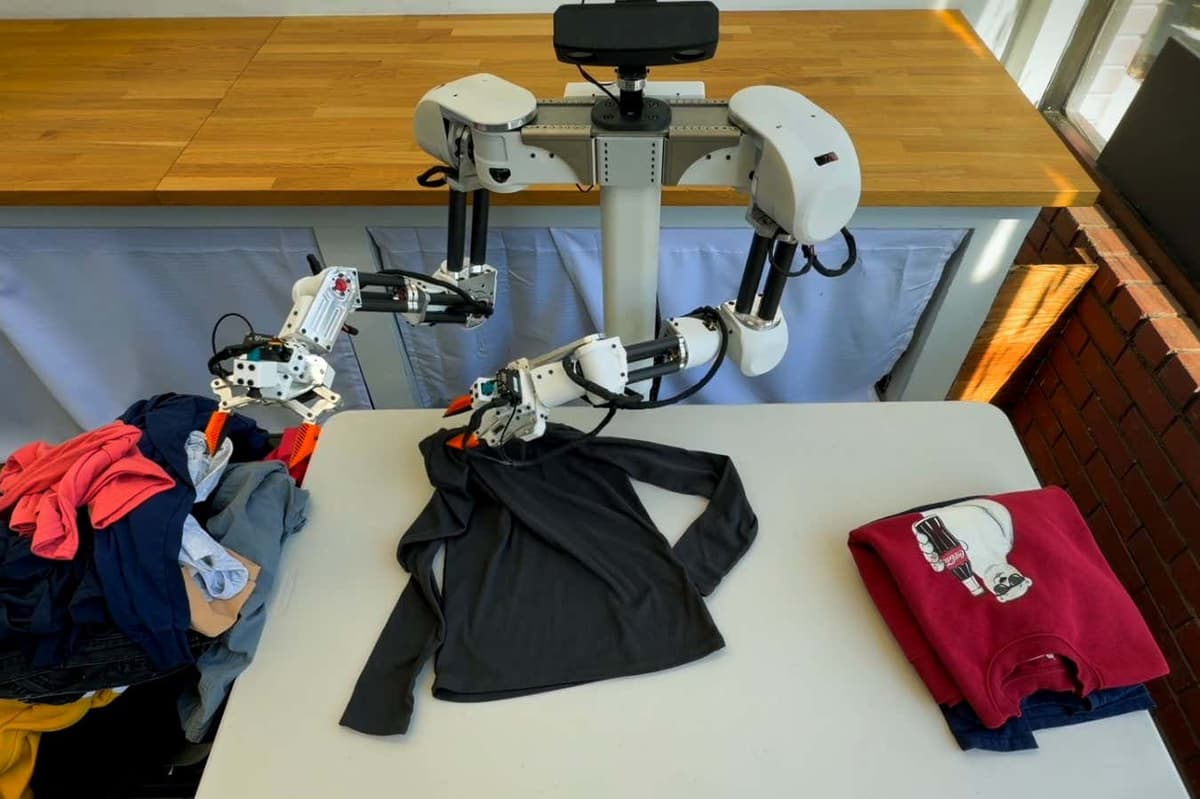
Physical Intelligence’s approach marks a shift from task‑specific automation to a more human‑like, adaptable intelligence for robots. By integrating large‑language‑model (LLM) capabilities, the start‑up enables robots to interpret natural language commands and generalize learning across disparate tasks. This contrasts with traditional robotic solutions that require bespoke programming for each function, a process that is both time‑consuming and costly. The company’s prototype, which can brew coffee, fold laundry, peel vegetables and clean kitchens, showcases the practical potential of a single AI brain controlling varied hardware.
The broader implications for the robotics industry are significant. A universal control system reduces the need for multiple specialized robots, allowing manufacturers and service providers to deploy a single platform across diverse use cases. This could accelerate the adoption of robotics in homes, hospitality, and small‑business environments where cost and flexibility are paramount. Moreover, leveraging LLMs aligns robot cognition with the rapid advances seen in conversational AI, ensuring that robot intelligence can evolve alongside improvements in natural‑language processing.
Investors and enterprise customers are watching closely, as the ability to scale robot capabilities without extensive re‑engineering promises higher returns on capital. If Physical Intelligence can refine its model to handle more complex, unstructured environments, it may set a new standard for robot intelligence, driving competition toward more generalist solutions. The race to embed adaptable robots in daily life could reshape labor markets, augment human productivity, and open new revenue streams for companies willing to integrate such technology early.
Inside the start-up aiming for a giant leap in robot intelligence
Comments
Want to join the conversation?
Loading comments...