INTERVIEW: Motive’s Nyanya Joof on Driver Monitoring and Safety
•February 23, 2026
0
Why It Matters
By delivering on‑vehicle, real‑time alerts, the AI Dashcam Plus helps fleets cut collision rates, lower insurance costs, and meet tightening safety regulations.
Key Takeaways
- •AI Dashcam Plus runs 30+ models simultaneously
- •Stereo vision provides human‑like depth perception
- •Sensor fusion merges video, audio, telematics, GPS data
- •Heterogeneous CPU/GPU/DSP architecture cuts inference latency
- •Real‑time alerts reduce false positives and collision risk
Pulse Analysis
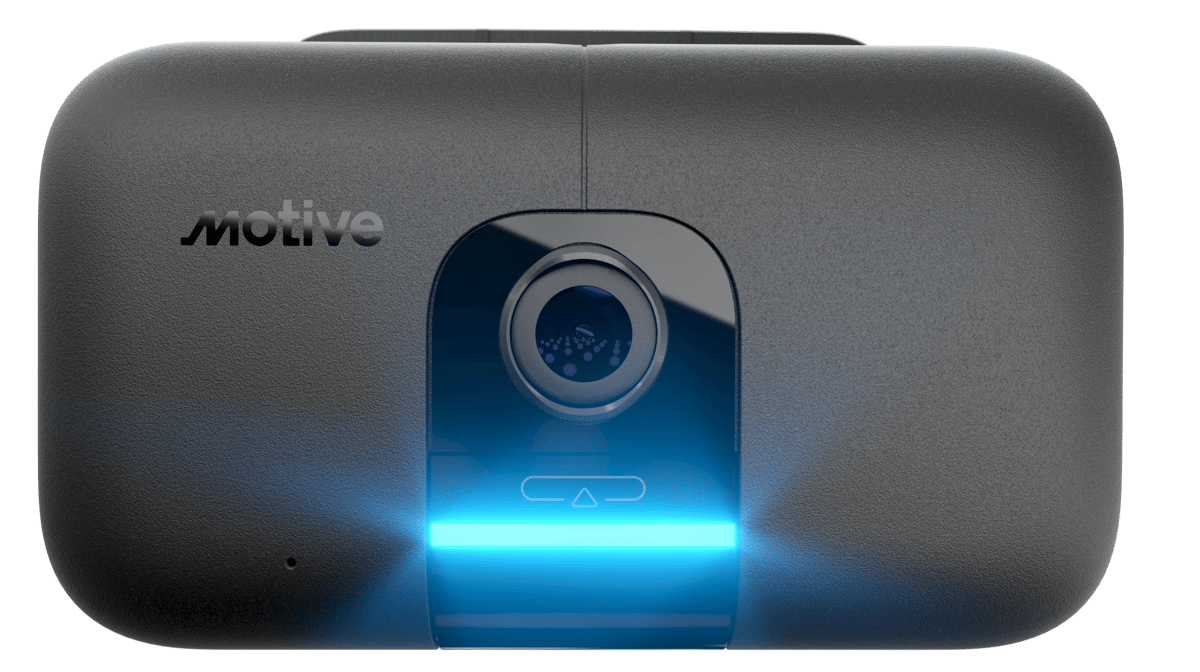
The commercial vehicle market is rapidly adopting edge‑AI solutions to meet stricter safety regulations and rising insurance costs. Motive’s AI Dashcam Plus, launched early 2026, exemplifies this shift by embedding a Qualcomm Dragonwing QCS6490 processor that can execute more than thirty neural networks in parallel. This capability moves perception and decision‑making from the cloud to the cab, delivering sub‑second response times that traditional dashcams cannot match. By processing data locally, operators gain immediate visibility into risky behaviours, aligning with the industry’s push toward proactive risk mitigation.
At the heart of the device is a multimodal sensor suite: dual forward‑facing cameras, audio microphones, GPS, telematics and dual motion sensors. Stereo vision supplies depth information, enabling precise distance and speed calculations for forward‑collision and lane‑swerving alerts, even in low‑visibility conditions. The platform’s heterogeneous architecture distributes workloads across CPU, GPU and Hexagon DSP, ensuring each AI model runs on its optimal engine and keeping latency below safety‑critical thresholds. Advanced sensor‑fusion algorithms cross‑validate signals—such as matching a glass‑break sound with vibration and video—to flag low‑severity collisions or break‑ins that single‑sensor systems would miss.
For fleet managers, the result is a measurable reduction in accident rates and associated costs. The AI Road Safety Report, based on 1.2 billion hours of footage, shows that real‑time alerts cut reaction times by up to 30 %, translating into fewer claims and lower premiums. Moreover, the modular AI stack allows Motive to roll out new features—like two‑way voice communication or driver coaching—without hardware redesign, future‑proofing investments. As regulators tighten safety standards, solutions that combine stereo vision, multimodel edge AI and robust sensor fusion are poised to become the baseline for next‑generation ADAS and autonomous‑vehicle testing.
INTERVIEW: Motive’s Nyanya Joof on driver monitoring and safety
0
Comments
Want to join the conversation?
Loading comments...