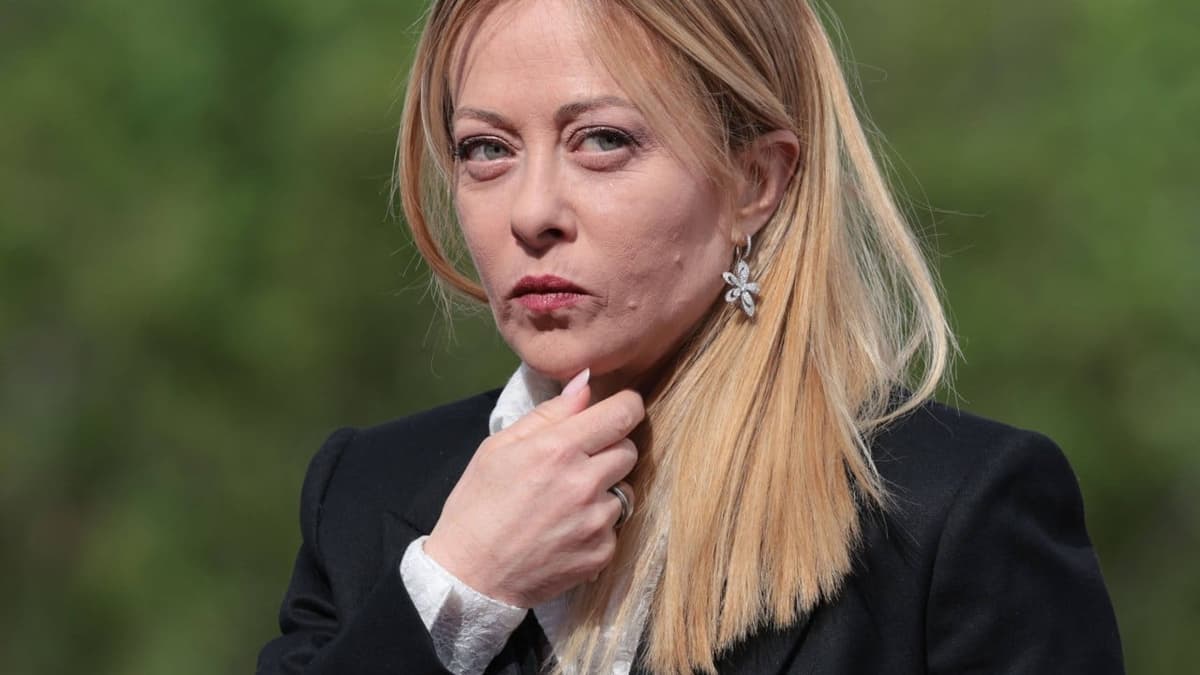
Italy PM Meloni Warns over AI Deepfakes After False Photos of Her Circulate
Why It Matters
The episode underscores how deepfakes can be weaponized against public figures, eroding trust in online information and prompting legal and regulatory scrutiny.
Key Takeaways
- •Meloni posted AI‑generated image to illustrate deepfake threat.
- •Fake photos depicted her in underwear, sparking public outrage.
- •She warned deepfakes can target vulnerable individuals without defense.
- •Meloni's libel suit over deepfake porn remains ongoing.
Pulse Analysis
The proliferation of AI‑generated synthetic media, commonly called deepfakes, has moved from novelty to a credible weapon in political warfare. By manipulating facial features and voice patterns, sophisticated algorithms can produce images and videos that appear indistinguishable from authentic footage. Recent elections in Europe and the United States have seen opponents weaponize such content to sow confusion, discredit rivals, and amplify misinformation. As the technology becomes more accessible, the line between legitimate expression and malicious deception blurs, prompting governments and platforms to grapple with verification challenges.
Prime Minister Giorgia Meloni’s decision to share an AI‑generated photograph of herself in underwear underscores how quickly deepfakes can become personal attacks. The image, posted on her official Instagram, was framed as proof that political adversaries are exploiting the technology to tarnish reputations. Meloni reminded citizens to verify content before sharing, while also citing her ongoing libel lawsuit against a Sardinian man accused of creating pornographic deepfakes using her likeness. The case, now in its second year, highlights the legal gray area surrounding synthetic media and the difficulty of enforcing accountability across borders.
Europe is already moving toward stricter regulation of synthetic media. The European Commission’s recent proposal for a Digital Services Act amendment would require platforms to label AI‑generated content and remove harmful deepfakes within 24 hours of notification. Italy’s Ministry of Communications has announced a public awareness campaign aimed at improving digital literacy and encouraging fact‑checking habits among voters. Industry experts advise companies to embed watermarking tools and adopt AI‑detector algorithms to safeguard brand integrity. As policymakers tighten rules, businesses must balance compliance with preserving creative freedom in the evolving AI landscape.
Italy PM Meloni warns over AI deepfakes after false photos of her circulate
Comments
Want to join the conversation?
Loading comments...