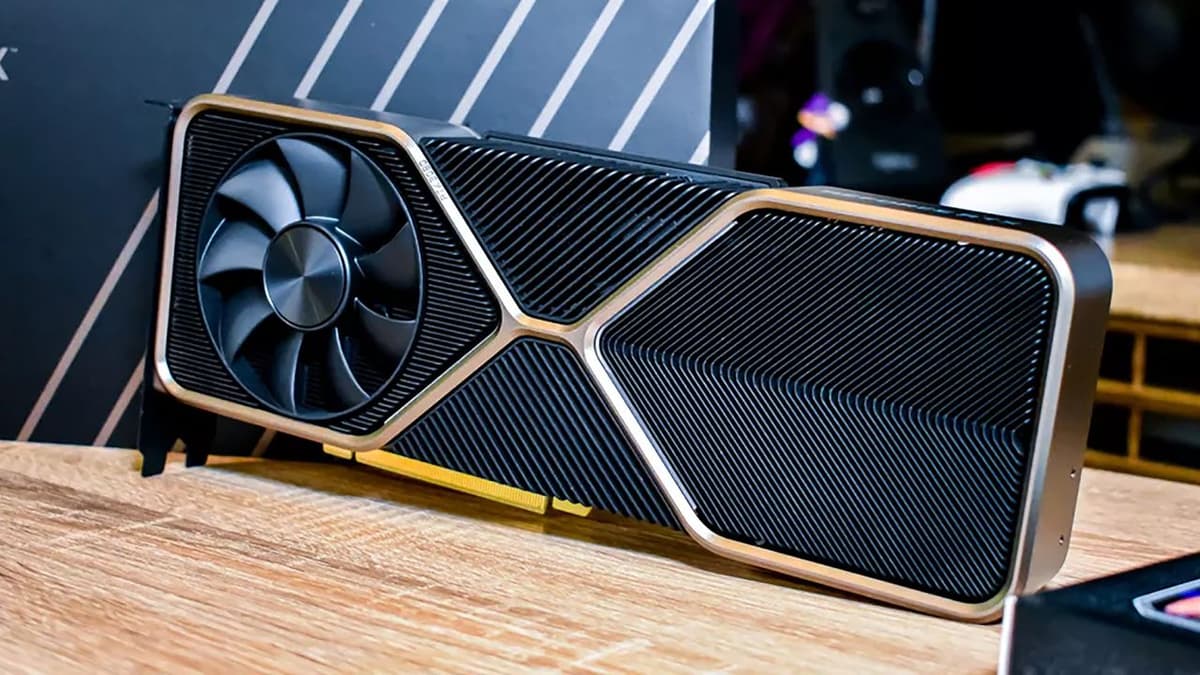
'It's a Good Idea': Jensen Huang Hints that Nvidia Could Consider Bringing Back Older Graphics Cards to Solve GPU Pricing Crisis
•January 7, 2026
0
Companies Mentioned

Why It Matters
Re‑launching legacy GPUs or extending AI features could ease the GPU shortage and temper price inflation for gamers and PC builders, while showcasing Nvidia’s flexibility in a tight semiconductor environment.
Key Takeaways
- •Nvidia may restart production of discontinued GPUs
- •DLSS 4.5 could run on RTX 3000 series
- •Engineering effort required for AI features on older cards
- •Potential relief for soaring GPU prices
- •Strategy uses older process nodes to boost supply
Pulse Analysis
The graphics‑card market is in the throes of an unprecedented squeeze. A surge in AI workloads has driven up demand for high‑bandwidth memory, while semiconductor fabs are already booked with data‑center silicon. Nvidia, the dominant player, now faces retail‑grade GPUs priced at premium levels, prompting gamers and system integrators to seek alternatives. By signaling a willingness to tap older process nodes, the company hints at unlocking dormant capacity that could flood the market with lower‑cost, lower‑spec models, offering a stop‑gap while newer fabs ramp up.
From a technical standpoint, resurrecting legacy GPUs is not a simple flip of a switch. Older dies were designed for different power envelopes and lack the hardware hooks that modern AI accelerators rely on. Nevertheless, Nvidia’s recent rollout of DLSS 4.5, which incorporates a second‑generation transformer model, demonstrates that software can stretch performance on RTX 3000 and even some RTX 2000 cards, albeit with a modest 20% efficiency drop. Integrating such AI‑enhanced upscaling into legacy silicon will require firmware rewrites, driver updates, and extensive validation—efforts Huang acknowledged as "fair amount of engineering."
If Nvidia can successfully blend legacy hardware with cutting‑edge AI features, the ripple effects could be sizable. Gamers would gain access to affordable cards that still benefit from AI‑driven frame generation, narrowing the gap between premium and mid‑range builds. Competitors would feel pressure to offer similar backward‑compatible enhancements, potentially reshaping the GPU value proposition. Moreover, a smoother supply chain would ease price volatility, stabilizing the broader PC ecosystem as AI continues to dominate silicon demand. This strategic pivot underscores Nvidia’s intent to leverage its extensive IP portfolio rather than solely rely on new silicon launches.
'It's a good idea': Jensen Huang hints that Nvidia could consider bringing back older graphics cards to solve GPU pricing crisis
0
Comments
Want to join the conversation?
Loading comments...