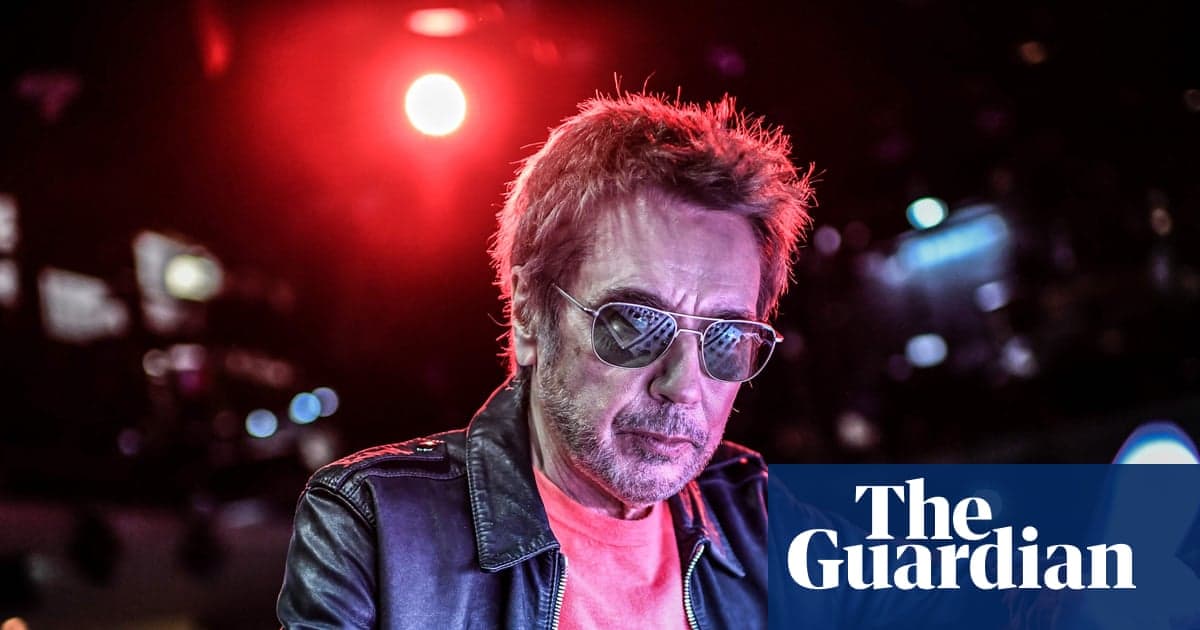
Jean-Michel Jarre Urges Music and Film Industries to Embrace AI

Why It Matters
Jarre’s endorsement signals a high‑profile push for AI integration, potentially accelerating adoption across entertainment and prompting a re‑examination of copyright frameworks. The stance could influence industry leaders to balance innovation with fair‑use protections.
Key Takeaways
- •Jarre calls for AI adoption in music and film industries
- •He contrasts his view with anti‑AI stance of artists like Elton John
- •Jarre has used AI in his productions since 2018
- •He likens AI to past tech revolutions like electronic music and sampling
- •He urges balanced regulation to protect rights while fostering innovation
Pulse Analysis
Jean‑Michel Jarre’s public endorsement of artificial intelligence arrives at a pivotal moment for the entertainment ecosystem. As a veteran who sold 85 million records and helped introduce electronic music to mainstream audiences, his credibility carries weight. By framing AI as an "augmented imagination" tool rather than a threat, Jarre challenges the prevailing narrative of fear that dominates many artists’ circles. This perspective aligns with a broader industry trend where creators experiment with generative models to compose scores, design soundscapes, and even storyboard films, signaling a shift from defensive postures to proactive exploration.
Historical parallels underscore Jarre’s argument. The early 1970s saw the Fairlight sampler revolutionize music production, while the advent of synchronized sound transformed cinema in the 1920s. Each breakthrough faced resistance before becoming standard practice. Today, AI offers similar disruptive potential, enabling rapid prototyping of melodies, visual effects, and narrative concepts. However, the technology also raises complex copyright questions, as models often train on existing works without explicit permission. Jarre’s call for “wild‑west” regulation reflects the need for policies that protect creators’ rights without stifling the inventive possibilities AI unlocks.
If the music and film industries heed Jarre’s advice, we could witness a surge in AI‑driven collaborations, reducing production timelines and expanding artistic horizons. Studios might employ generative video tools to visualize scenes before shooting, while musicians could co‑create tracks with AI‑assisted composition platforms. Yet, successful integration hinges on clear legal frameworks that address data ownership and revenue sharing. By championing a balanced approach, Jarre positions himself as a bridge between technologists and traditional creators, potentially shaping the next wave of digital transformation in entertainment.
Jean-Michel Jarre urges music and film industries to embrace AI
Comments
Want to join the conversation?
Loading comments...