Jeff Bezos’ Project Prometheus Nears $38 Billion Valuation, Targets Industrial AI and ERP-Linked Execution
Companies Mentioned
Why It Matters
Physical AI could transform how ERP systems orchestrate factories, warehouses and supply chains, turning planning data into real‑time execution and measurable efficiency gains. Investors see this as the next frontier for enterprise AI, making the technology a strategic priority for manufacturers and ERP vendors alike.
Key Takeaways
- •Project Prometheus seeks $10 B funding at $38 B valuation.
- •Physical AI aims to link ERP plans with real‑world execution.
- •Manufacturers could use AI to adjust production based on machine conditions.
- •Warehouse AI may enable faster picking and smarter replenishment.
- •ERP vendors must integrate live sensor data to stay competitive.
Pulse Analysis
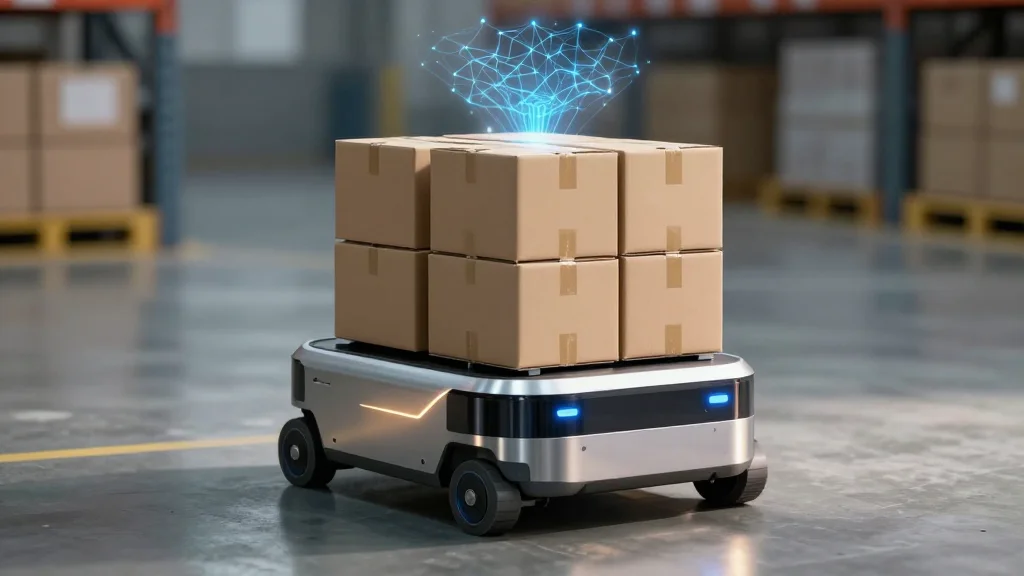
Jeff Bezos’ re‑entry into the tech arena through Project Prometheus marks a bold bet on "physical AI," a discipline that extends machine learning beyond digital content into the physics of real‑world operations. Backed by a prospective $10 billion infusion and a $38 billion valuation, the venture builds on a $6.2 billion seed that already positions it among the most capital‑intensive AI startups. By targeting manufacturing, logistics, and packaging environments, Prometheus seeks to embed predictive decision‑making directly into the machinery and workflows that ERP systems traditionally schedule and track.
For ERP insiders, the promise of physical AI reshapes the classic role of enterprise software. Instead of merely recording transactions and generating forecasts, ERP platforms could become the nervous system that feeds live sensor streams into AI models, enabling dynamic production adjustments, predictive maintenance, and real‑time quality control. In a factory, AI could detect a spindle’s vibration pattern and automatically recalibrate the process, while in a warehouse it might reroute pick paths to avoid congestion. These capabilities translate directly into higher throughput, reduced downtime, and stronger supply‑chain resilience—metrics that matter more than any chatbot’s conversational fluency.
The broader market implication is a race for data readiness and integration agility. Vendors that can expose clean, standardized operational data to AI engines will likely capture the next wave of enterprise contracts, while heavily customized ERP stacks may struggle to keep pace. Companies must invest in sensor networks, edge analytics, and governance frameworks to turn raw machine data into trustworthy inputs for physical AI. As investors pour capital into this space, the convergence of AI, ERP, and industrial IoT is set to become a defining competitive advantage for manufacturers and logistics firms alike.
Jeff Bezos’ Project Prometheus Nears $38 Billion Valuation, Targets Industrial AI and ERP-Linked Execution
Comments
Want to join the conversation?
Loading comments...