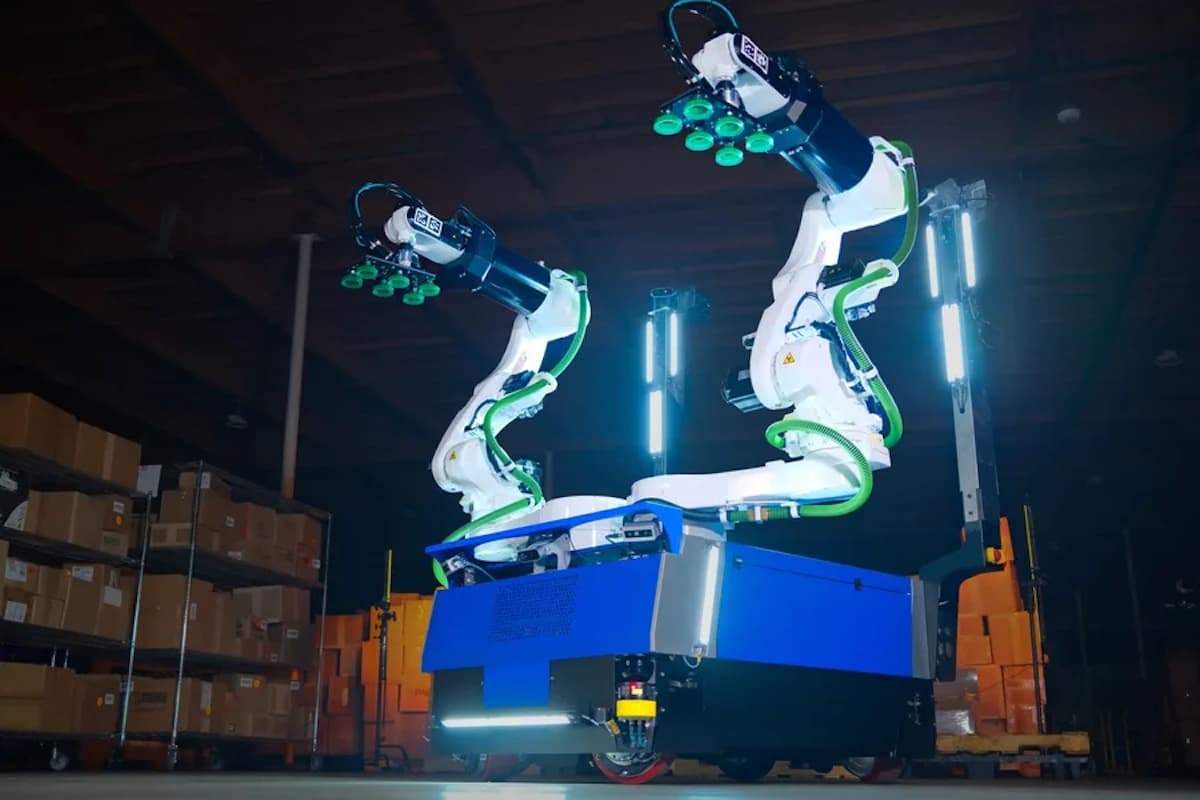
Kawasaki Heavy Industries Opens Physical AI Center in Silicon Valley
Companies Mentioned
Why It Matters
The initiative brings KHI’s manufacturing expertise into the U.S. AI ecosystem, accelerating robot‑assisted healthcare solutions that address global aging and labor shortages.
Key Takeaways
- •KHI launches Physical AI Center in San Jose to boost healthcare robotics
- •Partnerships with Nvidia, Microsoft, Analog Devices, Fujitsu enable end‑to‑end AI solutions
- •Center targets aging societies, aiming for hospital “one‑stop” AI integration
- •Physical AI focus emphasizes safety, supporting human judgment, not replacing workers
- •Collaboration links KHI’s global R&D, including Strasbourg innovation hub
Pulse Analysis
Kawasaki Heavy Industries, a Japanese conglomerate known for aerospace, shipbuilding and industrial robotics, announced the opening of a Physical AI Center in San Jose, California. The facility marks KHI’s first dedicated U.S. hub for blending artificial intelligence with tangible robotics, a move that reflects a broader shift from purely software‑driven AI toward “physical AI” that can operate in real‑world environments. By situating the lab in Silicon Valley, KHI taps into a dense talent pool and a thriving ecosystem of chipmakers and cloud providers, positioning itself to accelerate product development cycles that have traditionally been confined to Japan and Europe.
The center’s initial agenda centers on healthcare and elder‑care, sectors strained by aging populations and chronic labor shortages. In partnership with Nvidia, KHI plans to run AI workloads on Jetson edge modules, while Microsoft’s Azure cloud will provide the scalability and reliability required for hospital‑grade deployments. Analog Devices contributes sensing and voice‑recognition chips that give robots contextual awareness, and Fujitsu integrates its enterprise systems to streamline patient data flow. The goal is a “hospital one‑stop solution” that guides patients from admission through post‑operative care, augmenting clinicians rather than replacing them.
Strategically, the San Jose lab links KHI’s existing R&D sites in Japan and its European Innovation Centre at IRCAD in Strasbourg, creating a tri‑continental pipeline for rapid prototyping and regulatory testing. This network gives Kawasaki a competitive edge against pure‑play AI startups and traditional medical‑device firms that lack deep manufacturing expertise. As physical AI matures, the ability to certify safety‑critical robots for surgery and semiconductor handling will become a market differentiator. Investors and industry watchers should monitor KHI’s rollout, because successful commercialization could unlock new revenue streams across its diverse product portfolio, from industrial automation to autonomous mobility.
Kawasaki Heavy Industries opens physical AI center in Silicon Valley
Comments
Want to join the conversation?
Loading comments...