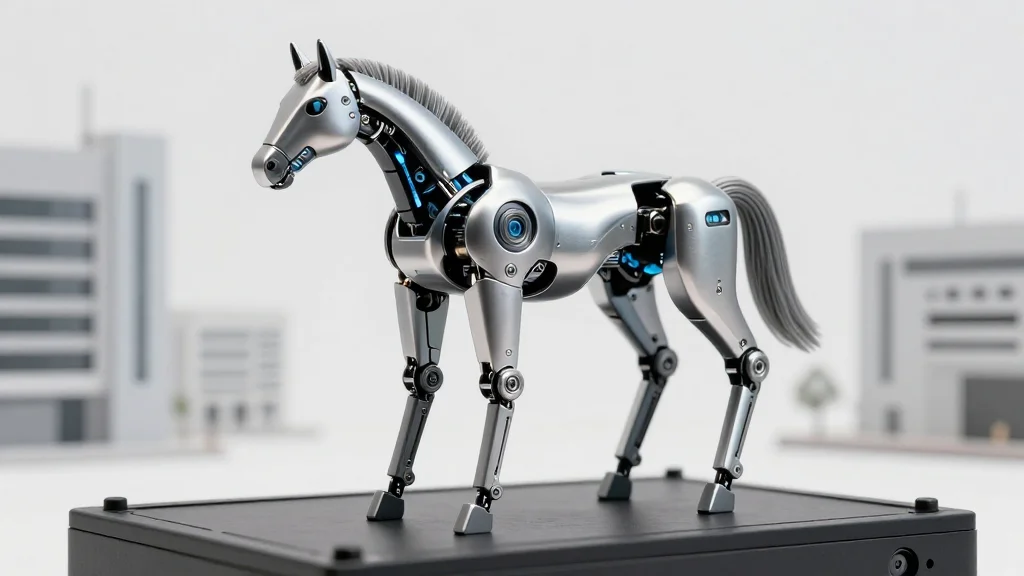
Kawasaki Heavy Ties up with Nvidia on Physical AI, and the Rideable Robot Horse Gets a Foundation Model
Companies Mentioned
Why It Matters
The deal positions Kawasaki at the forefront of Japan’s physical‑AI race, linking heavy‑industry expertise with Nvidia’s foundation‑model stack and opening new revenue streams in elder‑care and personal mobility.
Key Takeaways
- •Kawasaki partners with Nvidia, Microsoft, Analog Devices, Fujitsu in San Jose
- •CORLEO robot horse uses hydrogen engine and AI‑driven leg control
- •Shares rose up to 12%, signaling strong investor confidence
- •Investment plan adds ¥10 billion ($63 M) for robot R&D
- •Focus on elder‑care and mobility taps Japan’s aging‑population market
Pulse Analysis
Kawasaki Heavy Industries’ San Jose collaboration marks a watershed moment for Japanese robotics, marrying the country’s manufacturing pedigree with Nvidia’s foundation‑model ecosystem. By pooling resources with leading U.S. and Japanese tech firms, Kawasaki can leverage Nvidia’s simulation tools to shorten development cycles and embed sophisticated perception and control algorithms into physical platforms. This joint venture reflects a broader shift where industrial robot makers are no longer confined to traditional pick‑and‑place or welding cells, but are expanding into consumer‑adjacent and care‑economy applications that demand adaptable, AI‑enabled mobility.
The first showcase, CORLEO, is a four‑legged robot horse powered by a 150 cc hydrogen engine, designed to be straddled and steered through rider weight shifts. Its hydrogen propulsion underscores a push toward low‑emission mobility, while the AI stack promises real‑time balance and terrain adaptation. Kawasaki’s roadmap targets a high‑visibility debut at Expo 2030 in Riyadh, with a commercial rollout slated for 2035. If successful, CORLEO could open a new market segment that blends personal transport with assisted‑living solutions, addressing Japan’s rapidly aging population and the global demand for innovative elder‑care technology.
Investors have reacted positively, with Kawasaki’s stock surging 12% and a FY2027 budget increase of ¥10 billion ($63 million) earmarked for robotics. The partnership also signals to the market that physical AI is moving from experimental labs to revenue‑generating products. As rivals like Fanuc align with Google’s Gemini, Kawasaki’s Nvidia tie‑up provides a competitive counterbalance, potentially accelerating the adoption of foundation‑model‑driven robotics across healthcare, logistics, and consumer mobility. The convergence of heavy‑industry expertise and cutting‑edge AI could redefine the Asian robotics theme for the coming decade.
Kawasaki Heavy ties up with Nvidia on physical AI, and the rideable robot horse gets a foundation model
Comments
Want to join the conversation?
Loading comments...