Leak Shows ICE Planning to Use Facial Recognition Glasses to Identify Targets in Real Time

Companies Mentioned

Why It Matters
The rollout would expand government surveillance capabilities to the general public, intensifying privacy risks and prompting legal challenges. It signals a shift from targeted immigration enforcement to broader domestic monitoring.
Key Takeaways
- •ICE developing real‑time facial‑recognition smart glasses
- •Glasses will access federal biometric databases instantly
- •Technology may be used on protesters and all Americans
- •Similar prototypes already exist in commercial AI market
- •Recent ICE face‑scan incidents foreshadow broader deployment
Pulse Analysis
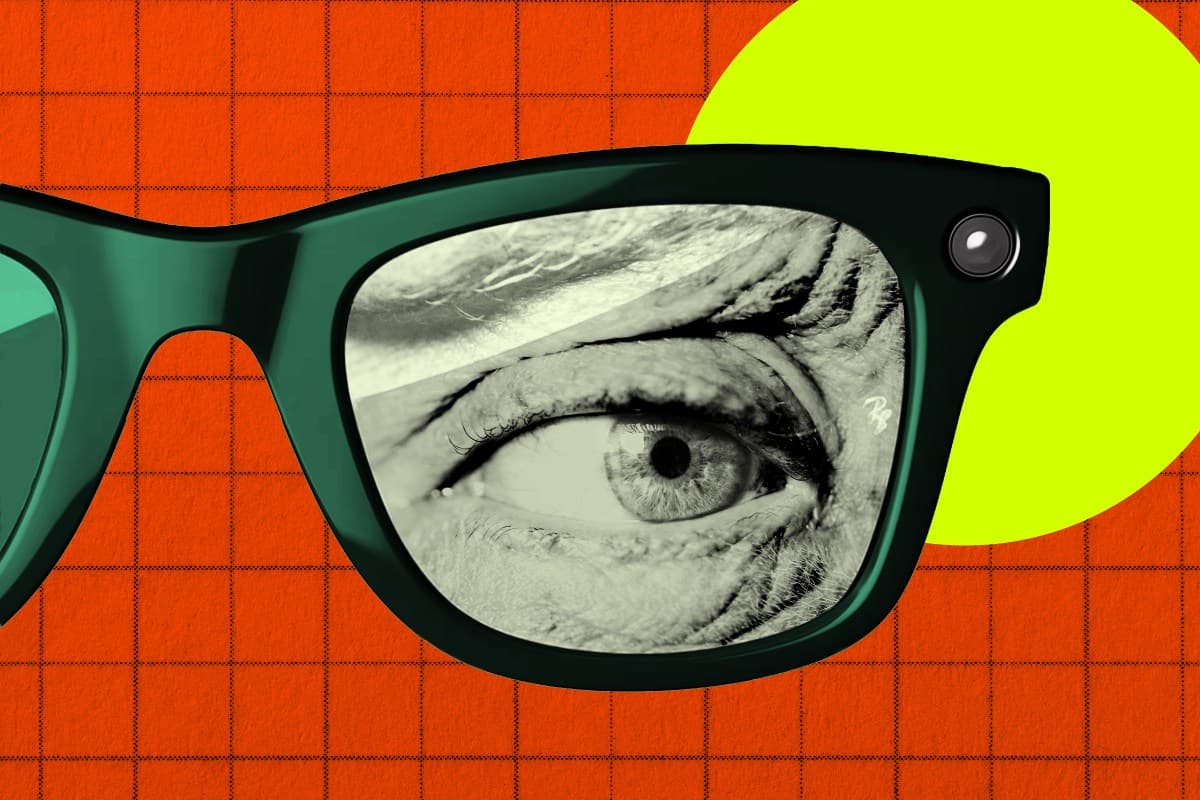
The emergence of ICE‑branded smart glasses marks a pivotal moment in U.S. surveillance, blending wearable technology with the agency’s expansive biometric databases. While commercial AI eyewear—most notably Meta’s experimental models—has attracted criticism for privacy intrusions, ICE’s in‑house version is designed for field agents to identify individuals on sight, regardless of arrest status. By integrating facial‑recognition algorithms with real‑time data feeds, the glasses could transform routine patrols into instant identity checks, effectively turning every public space into a potential checkpoint.
Beyond immigration enforcement, the technology’s scope appears to encompass broader domestic policing. DHS insiders warn that the glasses could be deployed against protestors, journalists, and other civilians, blurring the line between national security and civil liberties. This aligns with a growing trend of law‑enforcement agencies adopting biometric tools previously reserved for high‑risk operations. The potential for indiscriminate data collection raises constitutional questions, especially concerning the Fourth Amendment’s protection against unreasonable searches.
Stakeholders—from civil‑rights groups to technology firms—are likely to scrutinize the program’s legal footing and ethical implications. Courts may be called upon to evaluate whether real‑time facial recognition constitutes a search requiring a warrant, while legislators could face pressure to impose stricter oversight on biometric surveillance. For businesses, the development signals a market for advanced surveillance hardware, but also a heightened risk environment for employees who may be monitored in public or workplace settings. As the debate unfolds, the balance between security objectives and individual privacy will define the next chapter of American surveillance policy.
Leak Shows ICE Planning to Use Facial Recognition Glasses to Identify Targets in Real Time
Comments
Want to join the conversation?
Loading comments...