Leveraging Technology to Enhance Revenue Cycle Performance
•February 4, 2026
0
Why It Matters
Enhanced RCM efficiency directly boosts provider cash flow and reduces administrative costs, giving organizations a competitive edge in a tightly regulated market.
Key Takeaways
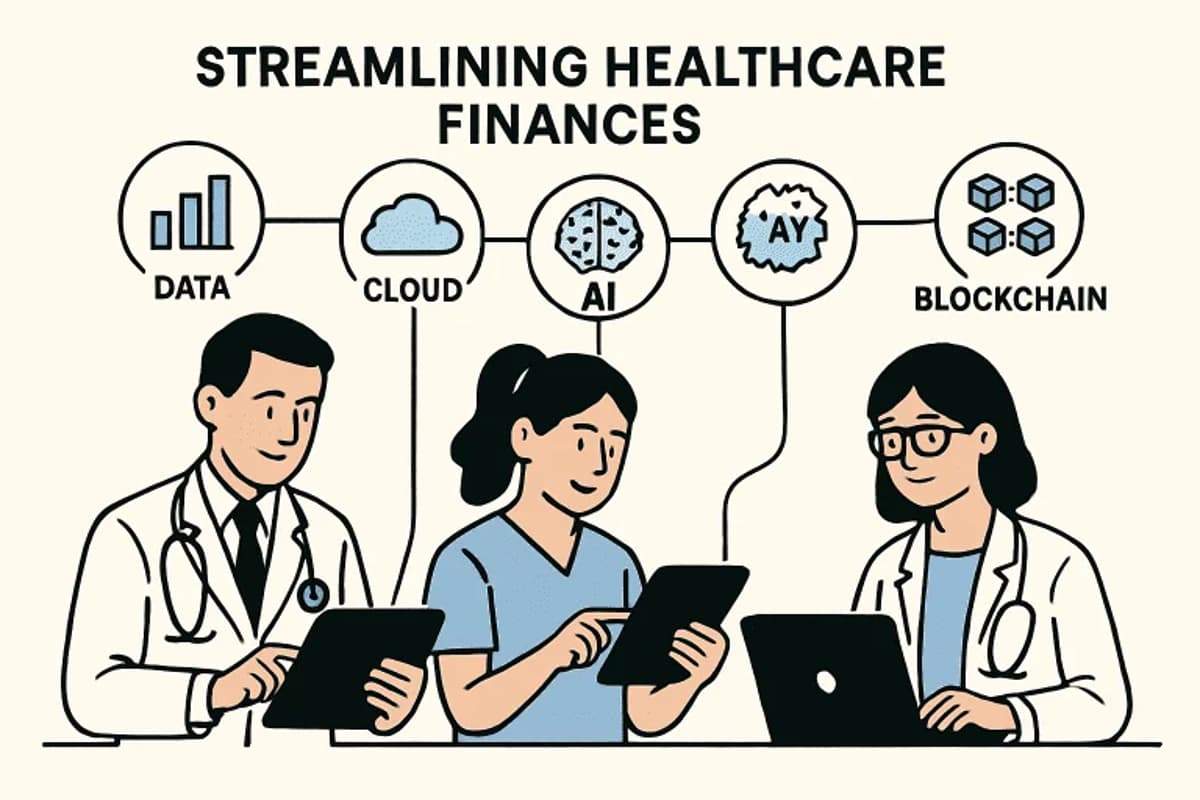
- •AI automates insurance verification and claims processing.
- •EHR‑RCM integration boosts clean‑claim rates dramatically.
- •Cloud platforms enable scalable, real‑time RCM collaboration.
- •Predictive analytics forecast denials, improving cash flow.
- •Blockchain reduces settlement time from months to minutes.
Pulse Analysis
The push toward digital transformation in healthcare finance is reshaping revenue cycle management. AI and automation now handle routine tasks such as insurance verification, claim submission, and denial management, freeing staff for strategic work. More than 80 % of healthcare leaders view AI as essential to RCM, citing faster reimbursements and higher billing accuracy. By processing massive data sets, these tools flag missing information and suggest corrections before claims hit payers, dramatically lowering error rates.
Seamless EHR integration and cloud‑based platforms are the next pillars of efficiency. When clinical documentation flows directly into billing systems, coding accuracy improves and clean‑claim rates climb, cutting the need for costly rework. Cloud solutions add flexibility, allowing remote teams to access up‑to‑date financial data, scale resources on demand, and benefit from automatic updates and robust security. This combination reduces overhead, accelerates cash flow, and supports compliance across diverse payer requirements.
Predictive analytics and blockchain represent the frontier of proactive RCM. Machine‑learning models forecast denial trends and cash‑flow gaps, enabling providers to intervene early and allocate resources wisely. Meanwhile, blockchain’s immutable ledger creates transparent, near‑real‑time settlements, shrinking payment cycles from months to minutes and eliminating intermediary disputes. Together, these emerging technologies promise a more resilient, data‑driven revenue cycle that can adapt to regulatory shifts and market pressures, positioning forward‑thinking providers for sustained financial health.
Leveraging Technology to Enhance Revenue Cycle Performance
0
Comments
Want to join the conversation?
Loading comments...