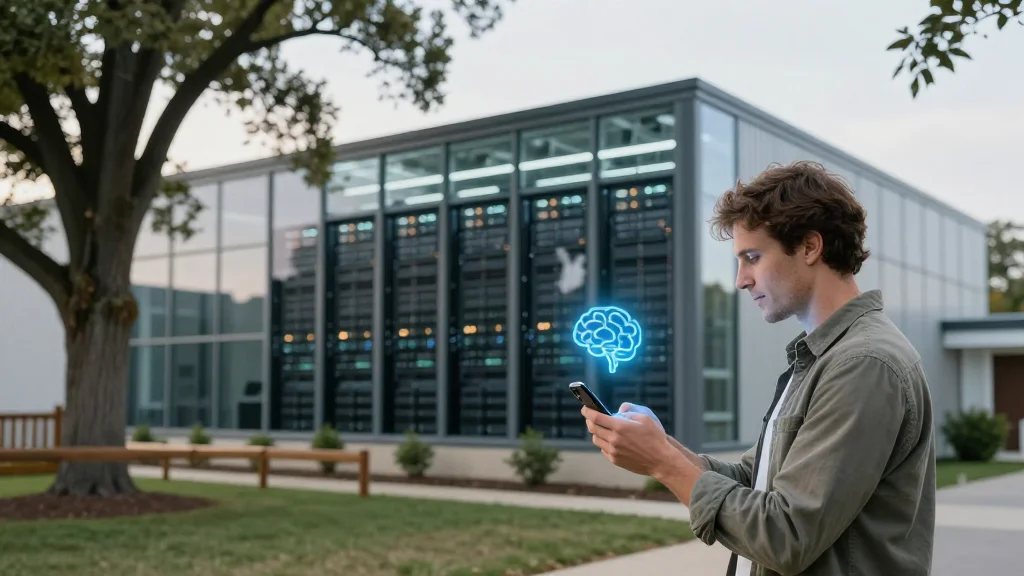
Locals Are Using AI to Fight Data Centers Being Built in Their Backyards
Why It Matters
The clash shows AI can empower grassroots movements against the very infrastructure that fuels it, and signals rising regulatory pressure that could reshape where tech giants locate data‑center assets.
Key Takeaways
- •Residents use ChatGPT for legal research and petition drafting
- •Ohio hosts 200+ data centers, sparking rural backlash over power costs
- •AWS promises 100 jobs and $35 M infrastructure funding for Wilmington
- •Statewide opposition has delayed $100 B in data‑center projects
- •Congresswoman introduced No Harm Data Centers Act to shift energy costs
Pulse Analysis
Grassroots activists in Ohio have discovered a paradoxical ally in artificial intelligence. By leveraging ChatGPT, residents like Jessica Sharp and realtor Jessica Baker automate time‑consuming tasks—drafting public‑records requests, summarizing meeting minutes, and scripting persuasive social‑media videos. These AI‑enhanced workflows allow small‑town organizers to punch above their weight, coordinating through Facebook messenger groups and reaching half‑million viewers with “rant videos” that amplify local concerns about looming data‑center developments.
The economic and environmental stakes are equally high. Ohio now houses more than 200 data centers, a concentration driven by cheap land and state incentives. Proponents cite job creation—Amazon Web Services promises 100 long‑term positions and up to $35 million for public‑infrastructure upgrades at the Wilmington site—but critics warn of a $16 monthly rise in residential electricity bills, increased strain on the grid, water usage, and potential drops in property values. Non‑profit JobsOhio touts growth potential, while the Ohio Consumers’ Counsel cautions that construction‑phase employment quickly evaporates once facilities become operational.
Policy responses are beginning to mirror the community pushback. Local opposition has already delayed roughly $100 billion in data‑center projects nationwide, and states such as Maine are moving to ban new constructions through 2027. In Washington, Congressman Greg Landsman introduced the No Harm Data Centers Act, demanding operators cover the full cost of their energy consumption and fund independent environmental studies. If enacted, such measures could force tech firms to internalize the true societal costs of the AI‑driven data‑center boom, reshaping investment decisions across the industry.
Locals Are Using AI to Fight Data Centers Being Built in Their Backyards
Comments
Want to join the conversation?
Loading comments...