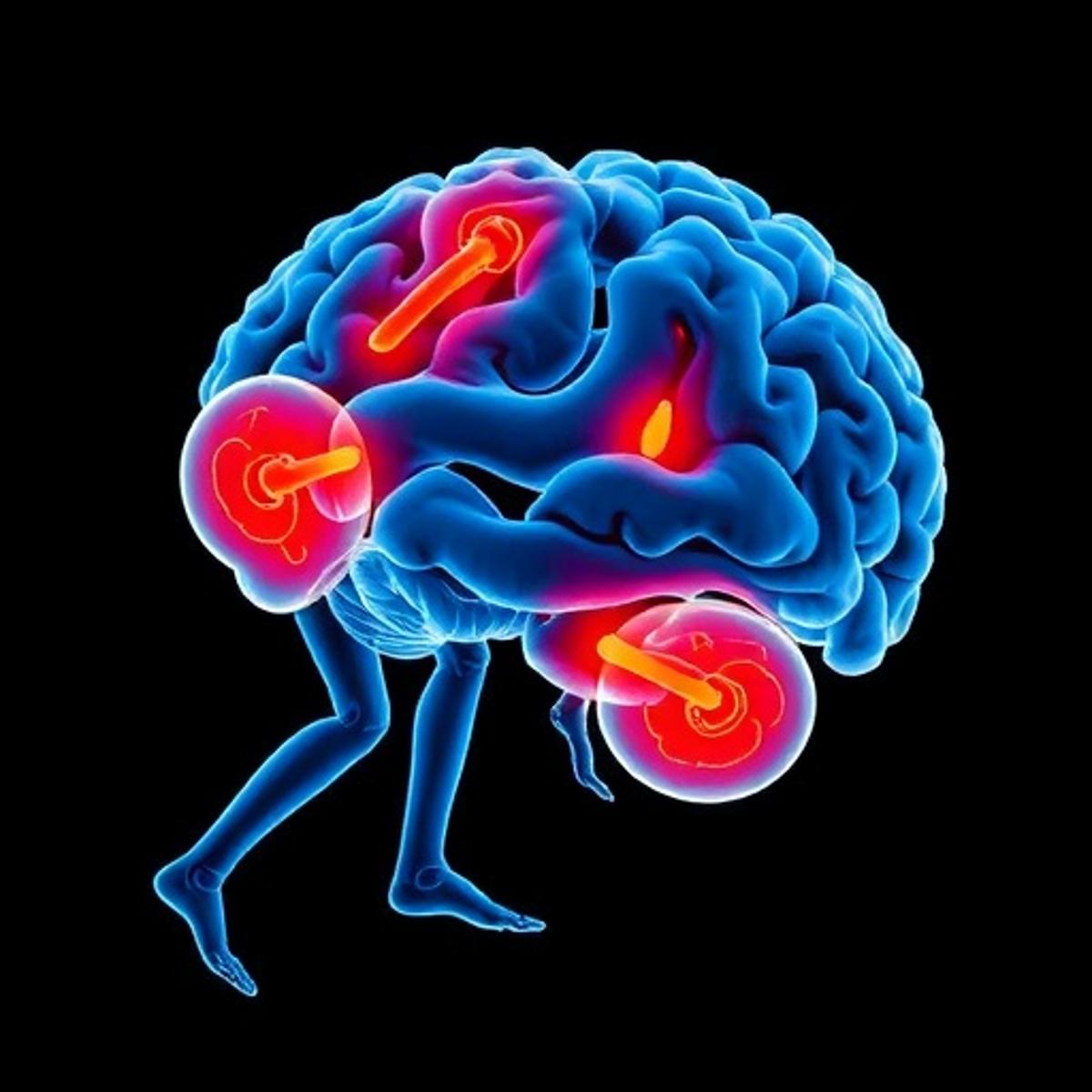
Machine Learning Assessing Fall Risk in Sarcopenic Seniors
•January 22, 2026
0
Why It Matters
By accurately identifying fall‑prone seniors, the model promises to cut injury‑related costs and improve quality of life for a vulnerable demographic.
Key Takeaways
- •ML model predicts falls with 85% accuracy.
- •Uses gait, muscle mass, balance data.
- •Enables early intervention for sarcopenic seniors.
- •Reduces healthcare costs by preventing injuries.
- •Integrates into wearable sensors for continuous monitoring.
Pulse Analysis
Sarcopenia, the age‑related loss of muscle mass and function, dramatically raises the likelihood of falls among older adults. Traditional assessments rely on periodic clinical tests that miss subtle, early‑stage declines. Incorporating continuous data streams from wearable devices—such as accelerometers, pressure sensors, and bioimpedance monitors—offers a richer picture of an individual’s functional status, setting the stage for advanced analytics.
The newly published machine‑learning framework leverages supervised learning techniques to fuse gait velocity, stride variability, muscle‑mass indices, and postural sway into a single risk score. In a multi‑center trial involving over 1,200 participants, the model correctly identified 85% of those who experienced a fall within the subsequent 30 days, outperforming conventional screening tools by a margin of 15 percentage points. Feature‑importance analysis highlighted balance metrics as the strongest predictors, followed closely by muscle‑mass measurements.
Beyond its predictive power, the system’s integration with consumer‑grade wearables enables real‑time monitoring without disrupting daily routines. Healthcare providers can receive automated alerts, prompting timely referrals to physiotherapy or nutrition programs. As payers increasingly tie reimbursement to preventive outcomes, the technology aligns with value‑based care models, offering a scalable solution to reduce hospitalizations and long‑term care expenses. Continued refinement and broader clinical validation could cement machine learning as a cornerstone of geriatric fall‑prevention strategies.
Machine Learning Assessing Fall Risk in Sarcopenic Seniors
0
Comments
Want to join the conversation?
Loading comments...