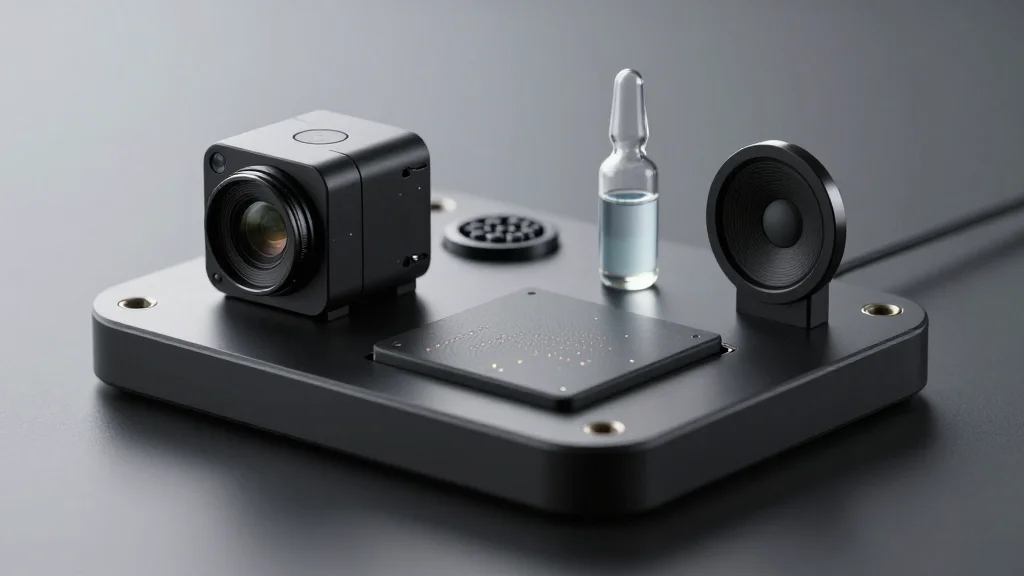
Machines with the Ability to 'Feel' Currently in Development as We Enter Next Frontier of AI
Companies Mentioned
Why It Matters
Perceptive AI could transform healthcare, education and consumer experiences by turning subjective sensations into actionable data, but it also creates a new surveillance frontier that threatens personal autonomy and privacy. Establishing legal safeguards now is essential to prevent misuse of synthetic sensory manipulation.
Key Takeaways
- •Cross‑modal AI translates sound into touch, aiding deaf users.
- •Digital olfaction and e‑tongues make smell and taste programmable.
- •Wearable sensors could infer emotions without user awareness.
- •Perceptual rights propose legal control over synthetic sensory experiences.
- •Sensory manipulation threatens privacy and could shape decision‑making.
Pulse Analysis
The next wave of artificial intelligence moves beyond computation to perception, a shift researchers label "perceptive AI." By integrating sensors that mimic sight, sound, touch, smell, and taste, developers are turning sensory data into programmable code. Digital olfaction platforms can detect volatile compounds and transmit scent profiles, while e‑tongues convert chemical signatures into taste metrics. Cross‑modal systems already translate auditory cues into haptic feedback, enabling deaf individuals to "feel" speech. These advances collapse the biological barrier between human senses and machine interfaces, opening a frontier where feeling becomes a software function.
Healthcare stands to gain the most immediate upside. Implantable retinal arrays promise restored vision for degenerative blindness, and haptic gloves allow surgeons to manipulate remote instruments with tactile fidelity. In education, ambient AI can monitor pupil engagement through micro‑expressions and skin conductance, prompting real‑time adjustments to lesson pacing. Corporate wellness platforms may use continuous emotion tracking to flag burnout before it escalates. By converting subjective experience into quantifiable signals, organizations can personalize services at scale, driving efficiency and outcomes that were previously impossible to measure.
The flip side is a cascade of privacy and ethical dilemmas. Continuous capture of sensory and emotional data creates a surveillance layer that is both involuntary and deeply personal, raising questions about ownership of one's own perception. Without clear "perceptual rights," corporations could weaponize scent or taste cues to influence consumer behavior, while governments might exploit emotion‑reading wearables for social control. Policymakers must therefore draft regulations that define consent, data stewardship, and limits on sensory manipulation, ensuring that the power to feel does not become a tool for covert coercion.
Machines with the ability to 'feel' currently in development as we enter next frontier of AI
Comments
Want to join the conversation?
Loading comments...