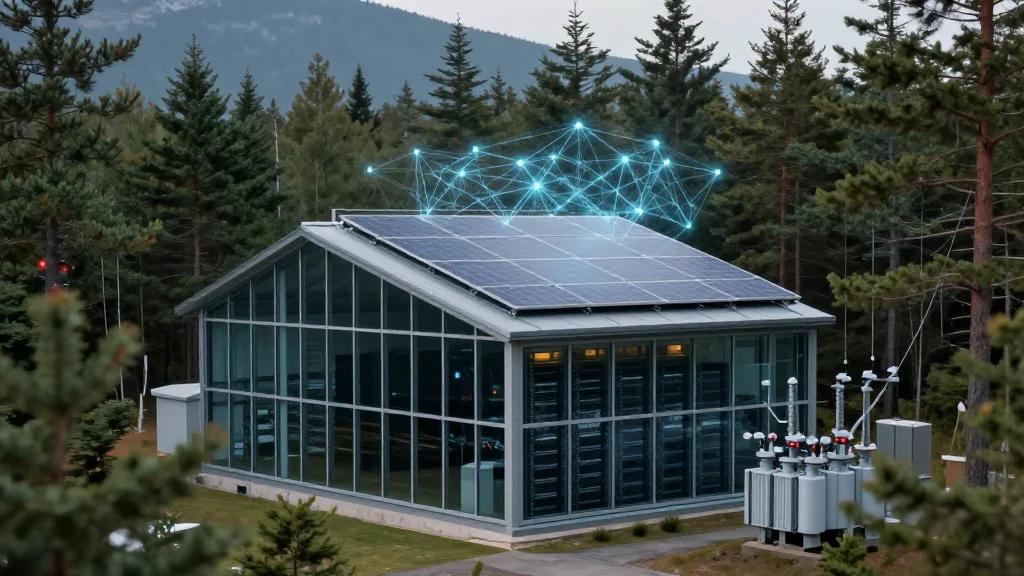
Maine Passes First U.S. Moratorium on AI‑Intensive Data Centers

Why It Matters
The Maine moratorium is a bellwether for how sub‑national governments may regulate the physical footprint of AI. By targeting the energy‑intensive backbone of generative AI—large data centers—lawmakers are confronting the hidden environmental costs of a technology often discussed only in terms of algorithmic bias or job displacement. If the study produces concrete guidelines, other states could adopt similar pauses, creating a patchwork of regulations that could fragment the national AI supply chain. Moreover, the debate pits federal pro‑innovation rhetoric against local sustainability priorities. As AI models grow larger and demand more compute, the electricity and water required to keep them running will become a decisive factor in where companies locate their infrastructure. Maine’s action could force AI firms to factor environmental compliance into their expansion strategies, potentially accelerating the shift toward greener, more efficient data‑center designs.
Key Takeaways
- •Maine legislature approved an 18‑month moratorium on new AI data centers over 20 MW.
- •Governor Janet Mills has a week to sign, veto, or allow the bill to become law automatically.
- •A council of experts will study environmental, economic, and regulatory impacts during the pause.
- •The measure is the first statewide ban of its kind, with at least six other states considering similar limits.
- •A recent NBC poll shows 57 % of voters view AI risks as outweighing benefits, fueling public pressure.
Pulse Analysis
Maine’s pause on AI‑intensive data centers signals a shift from abstract policy debates to concrete, location‑specific regulation. Historically, AI governance has focused on algorithmic transparency, data privacy, and workforce impacts. This legislation brings the physical infrastructure—energy consumption, water use, and local environmental strain—into the policy arena. By anchoring the debate in tangible community concerns, Maine forces AI developers to reckon with the cost of compute beyond cloud pricing models.
The move also highlights a growing divergence between federal and state approaches. While the Trump administration’s executive order champions unfettered innovation, state‑level actions like Maine’s suggest a bottom‑up pushback that could fragment the market. Companies may need to diversify data‑center locations to mitigate regulatory risk, potentially accelerating investment in renewable‑powered facilities in states with more permissive policies. This could, paradoxically, drive greener AI infrastructure if firms prioritize jurisdictions offering both regulatory clarity and clean energy.
Looking ahead, the outcome of Governor Mills’ decision will set a precedent for how quickly other states can enact similar measures. If the moratorium leads to robust, data‑driven guidelines, it could become a template for a national framework that balances AI growth with sustainability. Conversely, a veto could embolden federal proponents of deregulation, leaving the environmental externalities of AI largely unchecked. Either scenario will shape the competitive dynamics of AI development in the United States for years to come.
Maine Passes First U.S. Moratorium on AI‑Intensive Data Centers
Comments
Want to join the conversation?
Loading comments...