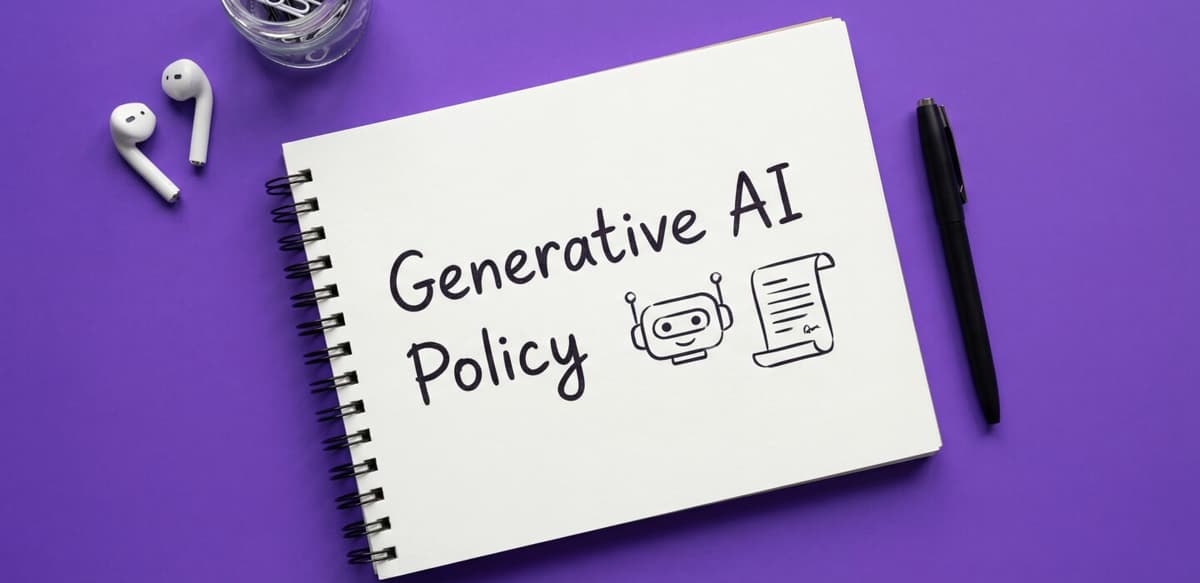
Manchester Schools Revise AI Policy for Ethics, Transparency
Companies Mentioned
Why It Matters
The policy sets a local precedent for governing AI in K‑12 classrooms, balancing innovation with integrity and privacy concerns. Its adoption signals how districts nationwide may structure AI oversight amid growing cheating fears.
Key Takeaways
- •Policy approves SchoolAI, Khanmigo, and Canva for district use
- •Requires students and teachers to disclose AI assistance in assignments
- •Enforcement relies on teacher judgment due to unreliable detection tools
- •Emphasizes data privacy and academic honesty as core principles
- •National teen survey shows six in ten suspect AI cheating
Pulse Analysis
Across the United States, school districts are grappling with how to integrate generative AI while preserving academic standards. Manchester’s new policy arrives at a moment when AI chatbots can produce essays, solve math problems, and generate creative content in seconds. By formally recognizing three vetted platforms, the district seeks to channel student curiosity into controlled environments, reducing the temptation to turn to unregulated tools. The emphasis on citation and disclosure mirrors higher‑education guidelines, reinforcing that AI should augment—not replace—human reasoning.
The policy’s core pillars—transparency, data privacy, and academic honesty—reflect broader societal concerns about algorithmic bias and information security. Requiring teachers and students to label AI‑generated work creates an audit trail, yet the district admits that current detection software is inconsistent. Consequently, enforcement will largely depend on educators’ professional judgment, a stance that places significant responsibility on teachers to discern authentic effort from AI‑assisted output. This approach underscores the need for professional development that equips educators with both technical literacy and ethical frameworks.
Manchester’s initiative may serve as a template for other districts confronting similar dilemmas. As Pew Research indicates, roughly 60% of teens believe peers use AI to cheat, highlighting a cultural shift that schools must address. By codifying ethical use and privacy safeguards, the district not only protects student data but also signals to parents and policymakers that AI integration can be responsibly managed. Future iterations will likely incorporate more sophisticated detection tools and clearer disciplinary protocols, shaping a national dialogue on the role of artificial intelligence in public education.
Manchester Schools Revise AI Policy for Ethics, Transparency
Comments
Want to join the conversation?
Loading comments...