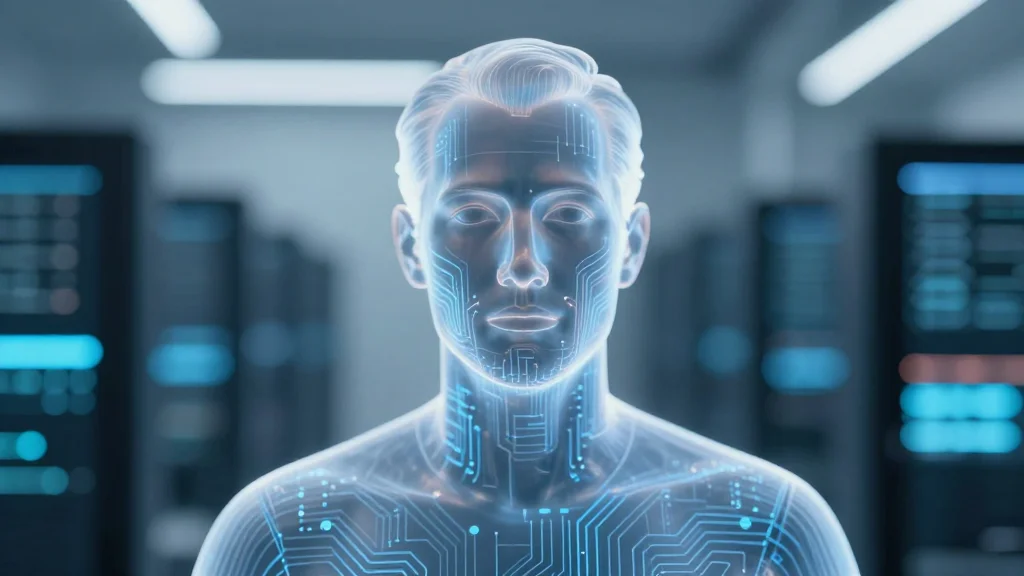
Mark Zuckerberg Continues His Pursuit of AI Human Clones
Why It Matters
If successful, AI clones could automate executive functions and reshape how users engage on Meta’s platforms, raising questions about authenticity, trust, and regulatory scrutiny.
Key Takeaways
- •Meta’s AI Studio enables creators to launch Instagram AI avatars
- •Zuckerberg’s clone is trained on his daily processes and tone
- •AI bot profiles may simulate conversations on Facebook and Instagram
- •Project aims at ‘superintelligence’ beyond current language models
- •Potential to automate exec tasks could alter corporate decision‑making
Pulse Analysis
Meta’s latest AI experiment goes beyond chatbots and into the realm of digital doppelgängers. By feeding a large language model with Mark Zuckerberg’s emails, meeting notes, and public statements, the company hopes to produce a virtual version that can answer employee queries, draft internal memos, and even represent the founder in low‑stakes interactions. This follows the rollout of AI Studio, a tool that lets Instagram creators generate AI personas that respond to fan messages, signaling Meta’s strategy to monetize AI‑driven engagement across its social ecosystem.
The business implications are two‑fold. Internally, an AI clone could offload routine decision‑making, freeing senior leaders to focus on high‑impact strategy, while also providing a consistent voice for the brand. Externally, AI‑powered bot profiles that mimic real users could boost platform activity metrics, but they also risk eroding trust if audiences discover they are interacting with synthetic personas. Regulators and privacy advocates are already flagging deep‑fake concerns, and Meta may face pressure to disclose when AI agents are used in public communications.
Industry‑wide, Zuckerberg’s push reflects a broader race among tech giants to create human‑like AI that can operate autonomously in social contexts. Companies such as Google and Microsoft are investing heavily in conversational agents, but Meta’s focus on replicating individual personalities sets it apart. If the technology matures, advertisers could target hyper‑personalized AI avatars, while competitors may scramble to develop safeguards against bot‑driven misinformation. The success or failure of Meta’s AI clones will likely influence the next wave of AI governance policies and shape how digital platforms balance automation with genuine human connection.
Mark Zuckerberg continues his pursuit of AI human clones
Comments
Want to join the conversation?
Loading comments...