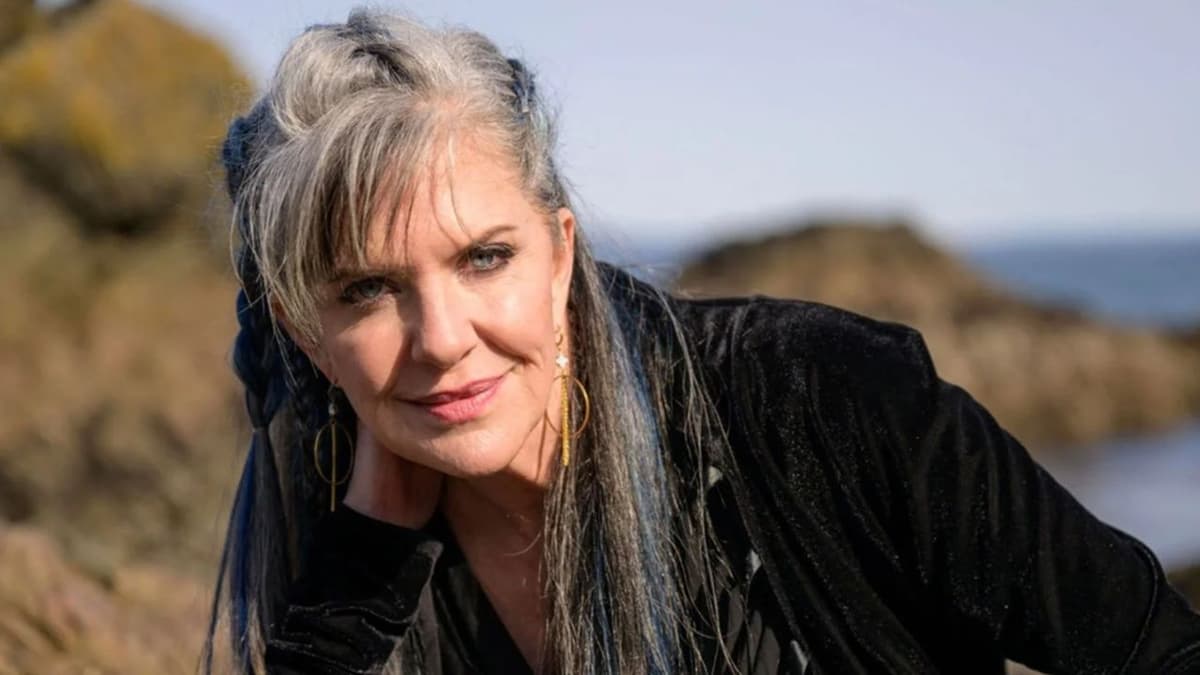
Mass Effect and Metal Gear Actor Jennifer Hale Calls on Studios to Take Responsibility for Their AI Use: 'Ain't Nobody Making You Do It'
Why It Matters
Without clear consent and payment frameworks, studios risk legal challenges and talent shortages, while the broader creative economy faces a precedent for AI exploitation.
Key Takeaways
- •Hale urges studios to obtain explicit consent before using AI‑trained voices.
- •Generative AI threatens voice actors' livelihoods without fair compensation structures.
- •Game developers risk public backlash if AI assets appear in final releases.
- •Industry standards could set precedent for AI use across creative sectors.
Pulse Analysis
Jennifer Hale’s recent interview in the 2026 GDC Trends Report underscores a pivotal moment for the gaming industry: generative AI is no longer a speculative tool but a present reality reshaping voice production. As studios experiment with AI‑generated dialogue to cut costs and accelerate development, the lack of transparent consent mechanisms has sparked alarm among performers who see their vocal likenesses repurposed without permission. Hale’s call for explicit consent, control, and compensation reflects a broader push for ethical AI governance that balances innovation with the rights of creative talent.
The issue gained urgency during the 2024 SAG‑AFTRA interactive media strike, where actors demanded safeguards against AI exploitation. Legal scholars note that existing copyright and labor laws provide limited recourse for voice actors whose data fuels machine‑learning models, prompting calls for new contractual clauses and industry standards. Studios that ignore these demands risk not only lawsuits but also reputational damage, as gamers increasingly reject titles that feature uncredited AI voices. Public backlash, exemplified by the controversy surrounding *Arc Raiders*, signals that audiences value authentic performances and may punish developers who sidestep ethical considerations.
Looking ahead, the gaming sector could set a benchmark for responsible AI use across entertainment. By establishing consent‑first licensing frameworks and revenue‑sharing models, studios can harness AI’s efficiency while preserving the economic security of voice talent. Such standards would likely ripple into film, advertising, and music, where similar AI‑driven disruptions loom. For companies, proactive engagement with actors and unions now offers a strategic advantage, ensuring compliance, maintaining brand trust, and fostering a sustainable creative ecosystem.
Mass Effect and Metal Gear actor Jennifer Hale calls on studios to take responsibility for their AI use: 'Ain't nobody making you do it'
Comments
Want to join the conversation?
Loading comments...