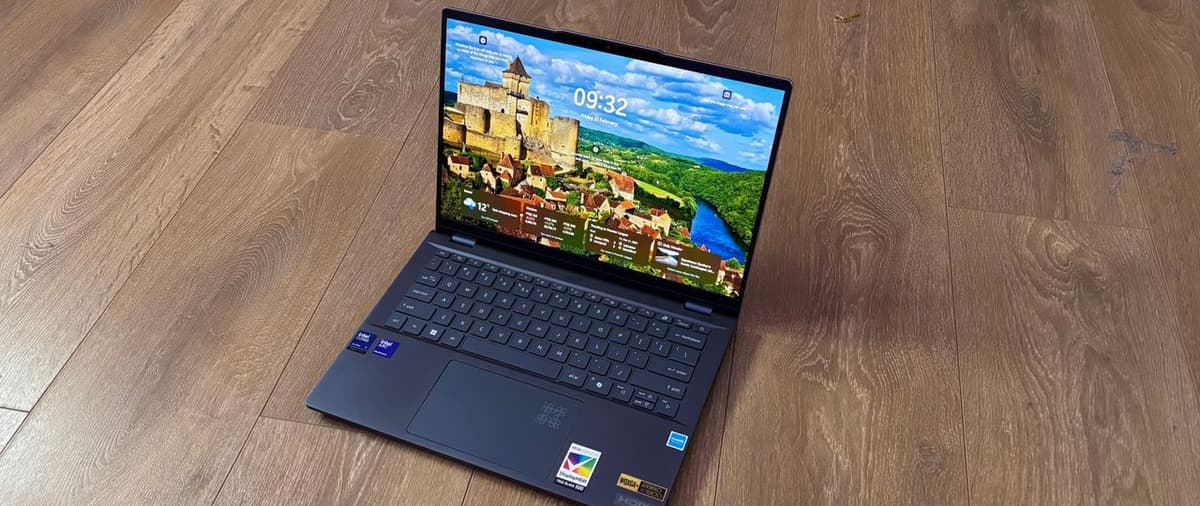
Microsoft Explains How Windows 11's AI Agents Will Get Access to Your Files – but Bigger Worries Remain
•December 17, 2025
0
Companies Mentioned

Why It Matters
The permission model determines how safely enterprises and consumers can adopt native AI assistants without exposing sensitive data. It also sets a benchmark for OS‑level AI governance across the industry.
Key Takeaways
- •Agents request permission each time they need file access
- •Default setting denies access to personal folders unless approved
- •Permissions can be set per agent but not per folder
- •Users can permanently allow or deny access in Settings
- •Early testing may expand granular controls in future
Pulse Analysis
Microsoft’s introduction of AI agents into Windows 11 marks a strategic push to embed generative intelligence directly into the operating system. Building on the Copilot brand, the preview builds expose “experimental agentic features” that can draft emails, summarize documents, or conduct web research. By positioning these agents as native assistants, Microsoft hopes to differentiate Windows from competitors that rely on third‑party plug‑ins. However, the rollout coincides with heightened scrutiny over data privacy and AI governance, prompting the company to spell out how the agents will interact with user files.
The permission framework Microsoft unveiled mirrors the consent dialogs familiar from file‑system access APIs, requiring users to approve each request or grant permanent rights. By default, agents cannot roam freely through Documents, Pictures, or Downloads, which mitigates the risk of inadvertent data exposure. Yet the model remains coarse‑grained: an agent either receives access to all personal folders or none, with no per‑folder granularity. This trade‑off balances usability against privacy, but it also leaves power users wanting finer controls, a gap that future Windows updates may need to address.
Beyond permissions, the broader risk landscape centers on software bugs and malicious exploitation. AI agents operate with elevated privileges, so a flaw could become a vector for ransomware or data exfiltration, echoing concerns raised about earlier Windows features like Recall. Microsoft’s advisory to keep agents disabled unless needed reflects a cautious stance, yet enterprises must incorporate these agents into their security policies and monitoring tools. As the technology matures, we can expect tighter sandboxing, more granular consent mechanisms, and industry‑wide standards that reconcile AI convenience with robust cyber‑risk management.
Microsoft explains how Windows 11's AI agents will get access to your files – but bigger worries remain
0
Comments
Want to join the conversation?
Loading comments...