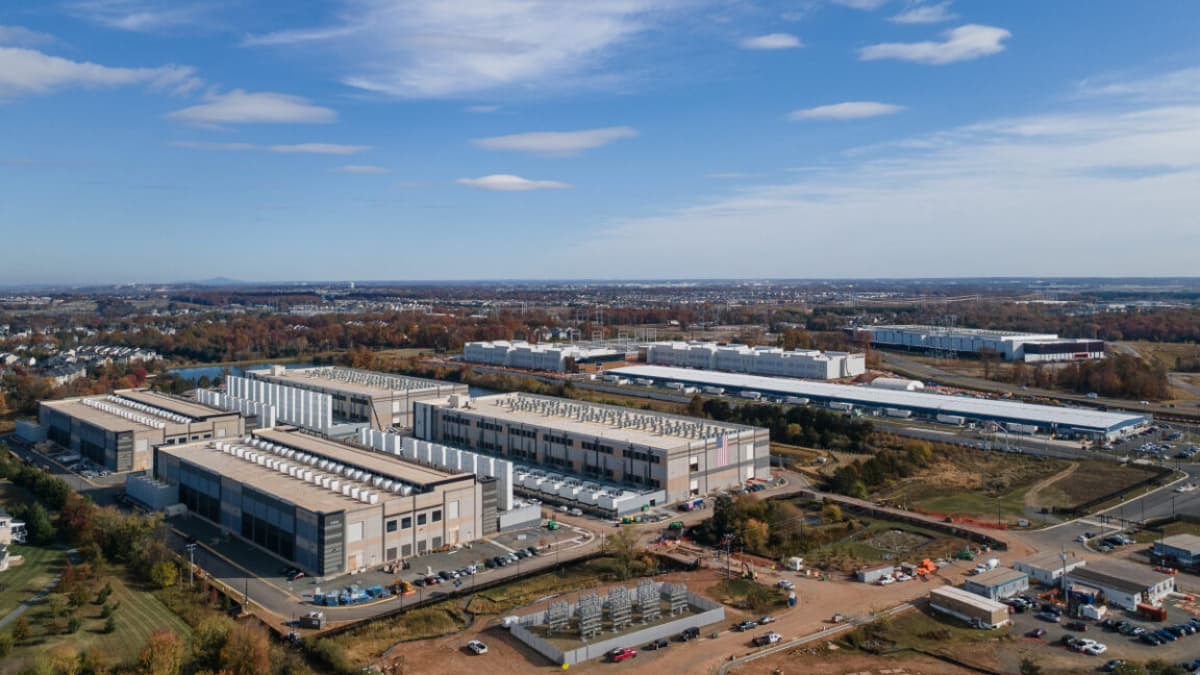
Microsoft Vows to Cover Full Power Costs for Energy-Hungry AI Data Centers
•January 13, 2026
0
Companies Mentioned

Why It Matters
By internalizing power and tax expenses, Microsoft aims to defuse community backlash and set a new industry benchmark for responsible AI infrastructure, potentially reshaping regulatory expectations for big‑tech data centers.
Key Takeaways
- •Microsoft will cover full electricity costs for AI data centers.
- •No property tax reductions; full taxes paid.
- •Water usage to improve 40% by 2030 via closed-loop cooling.
- •Initiative aims to create local jobs and AI training programs.
- •Addresses rising residential electricity rates and aging grid concerns.
Pulse Analysis
The surge in generative‑AI services has turned data centers into power‑hungry behemoths, prompting the International Energy Agency to forecast a near‑doubling of global electricity demand by 2030. In the United States, aging transmission infrastructure and rising residential rates have amplified community resistance, especially as utilities grapple with the added load. This backdrop has spurred lawmakers to investigate how tech firms might mitigate the strain on local grids and consumers.
Microsoft’s "Community‑First AI Infrastructure" initiative tackles those pressures head‑on. The company commits to covering all electricity expenses for its AI facilities, effectively insulating nearby households from rate hikes. It also pledges to pay full property taxes, reduce water‑use intensity by 40% by 2030, and deploy closed‑loop cooling systems that recycle liquid, eliminating the need for fresh water. Complementary promises include creating local jobs and funding AI training programs, positioning Microsoft as a socially responsible AI leader.
If Microsoft follows through, the move could redefine industry standards, forcing rivals to adopt similar cost‑absorption models or face heightened regulatory scrutiny. Local economies may benefit from stable utility rates, increased tax revenues, and new skill‑development opportunities. However, the initiative also raises questions about profit margins and scalability, especially as AI workloads continue to expand. Observers will watch closely to see whether this pledge becomes a competitive advantage or a costly public‑relations exercise.
Microsoft vows to cover full power costs for energy-hungry AI data centers
0
Comments
Want to join the conversation?
Loading comments...