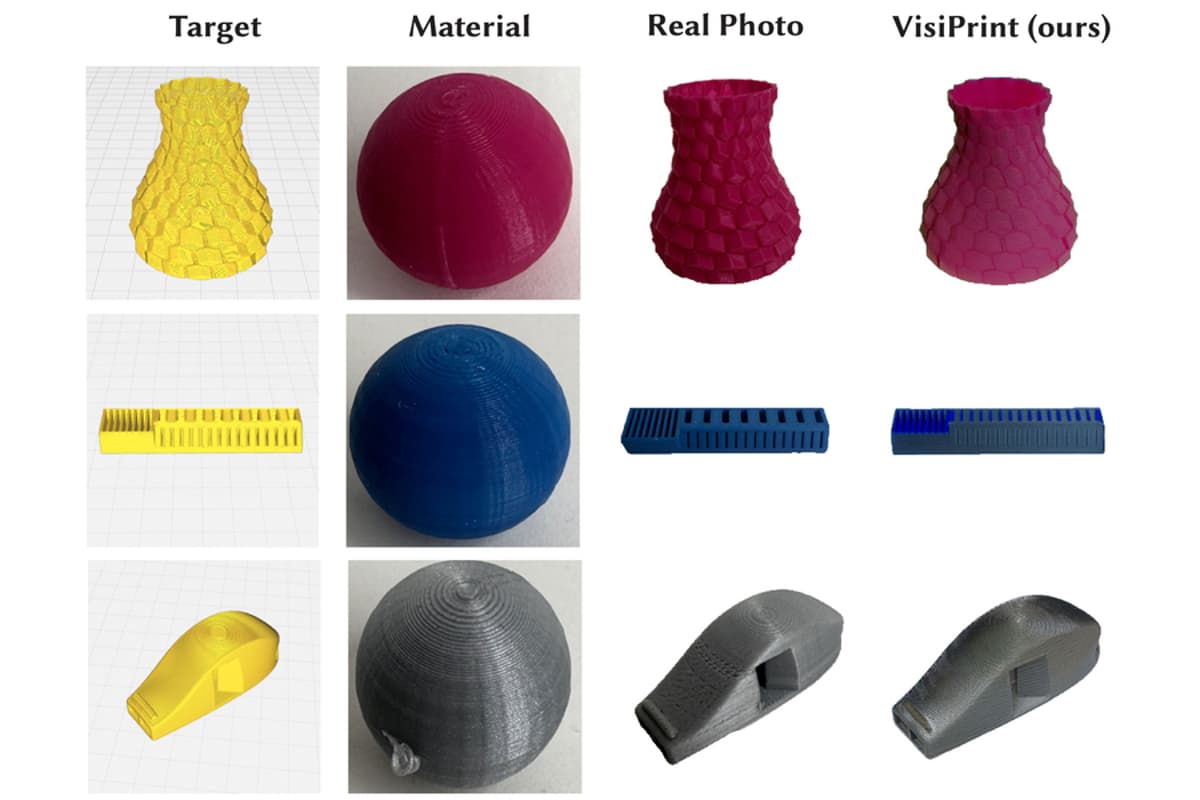
MIT’s VisiPrint Uses AI to Show Exactly How a 3D Print Will Look Before It’s Made
Why It Matters
VisiPrint cuts material waste and iteration time, a critical advantage as 3‑D printing moves into high‑value, appearance‑sensitive markets. Its ability to guarantee visual fidelity on the first try boosts productivity and sustainability.
Key Takeaways
- •VisiPrint predicts color, gloss, translucency from a single material image
- •Preview generation takes about one minute, twice faster than rivals
- •User studies show higher accuracy perception versus standard slicer previews
- •Enables dentistry and architecture to verify visual fit before printing
Pulse Analysis
The gap between a digital model’s visual intent and the final 3‑D printed part has long plagued manufacturers, forcing multiple trial prints and generating significant material waste. VisiPrint tackles this disconnect by combining computer‑vision extraction of material properties with a generative model that respects the slicer’s toolpath. The result is a near‑instant, photorealistic preview that captures subtle cues such as gloss and translucency—features traditional slicers ignore. By delivering a preview in roughly sixty seconds, the system outpaces existing solutions and gives designers a reliable "what‑you‑see‑is‑what‑you‑get" experience.
Beyond hobbyists, the technology promises tangible benefits for sectors where aesthetics are as critical as function. In dental labs, clinicians can virtually match temporary crowns to a patient’s existing dentition before committing to costly resin prints, reducing both material costs and patient turnaround time. Architects and product designers gain the ability to evaluate the visual impact of scale models or consumer prototypes without the delay of physical fabrication. Compared with emerging tools like Additive Appearance’s PrismSlicer or MIT’s own MechStyle, VisiPrint focuses exclusively on appearance fidelity, complementing rather than replacing structural analysis tools.
Looking ahead, the next wave of AI‑enhanced printing software will likely merge visual preview with real‑time optimization of print parameters, enabling a truly first‑time‑right workflow. As sustainability pressures mount and industries demand faster time‑to‑market, solutions that shrink waste while preserving design intent will become a competitive differentiator. VisiPrint’s open‑ended architecture positions it to incorporate finer surface detail rendering and multi‑material handling, paving the way for broader adoption across healthcare, consumer goods, and aerospace where visual precision is non‑negotiable.
MIT’s VisiPrint Uses AI to Show Exactly How a 3D Print Will Look Before It’s Made
Comments
Want to join the conversation?
Loading comments...