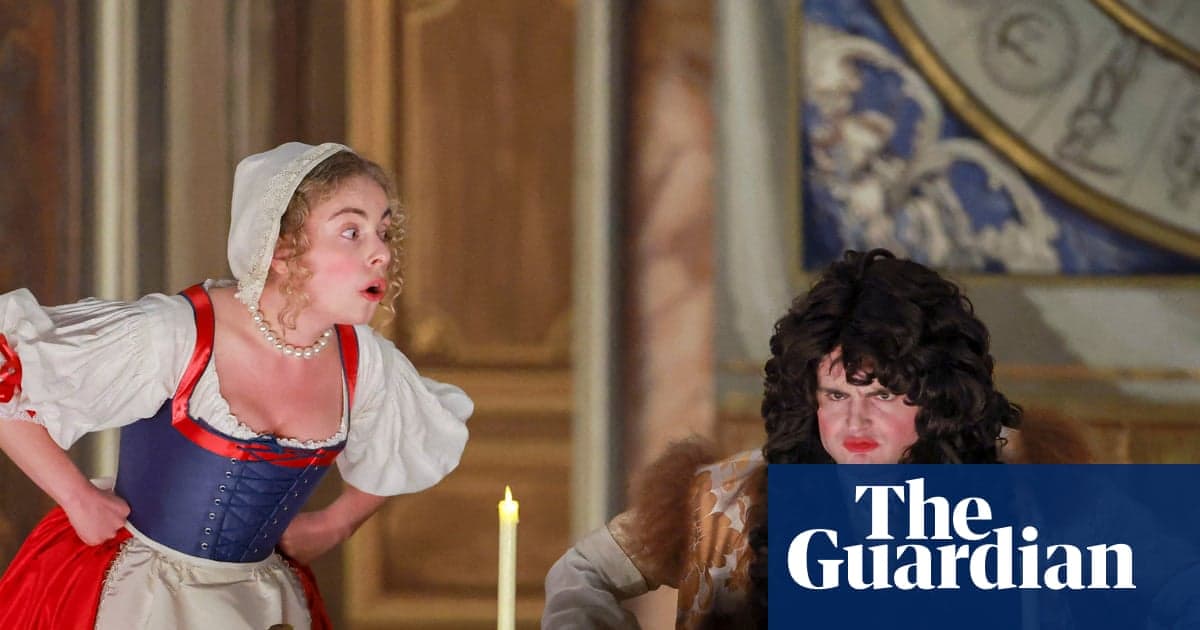
Molière Ex Machina: AI Used to Create ‘New Work’ by Beloved French Playwright

Why It Matters
The project proves generative AI can augment classical arts while preserving heritage, and it fuels the wider debate on AI’s impact on creative professions and intellectual property.
Key Takeaways
- •AI tool Le Chat co‑wrote dialogue, music, costumes for Molière‑style play
- •2.5‑year project involved 20,000 iterative exchanges between scholars and AI
- •Premiere at Versailles attracted 100 attendees, including Culture Minister Catherine Pégard
- •Researchers claim AI stores all of Molière’s works, enabling authentic imitation
- •Tour planned across France and abroad to test AI‑human collaboration
Pulse Analysis
Generative AI is reshaping the cultural sector, moving beyond visual art and music into the realm of classic theater. While AI‑driven scripts have appeared in experimental venues, the Sorbonne’s "Molière Ex Machina" marks the first high‑profile attempt to recreate a 17th‑century French comedy with machine assistance. By feeding the model every known Molière text and contemporary scholarly commentary, Le Chat could mimic period diction, comedic timing, and even suggest thematic motifs, such as astrology, that echo the playwright’s original concerns. This blend of historical fidelity and modern technology illustrates how AI can serve as an expansive research repository, accelerating creative iterations that would otherwise take months of manual labor.
The production’s two‑and‑a‑half‑year development cycle underscores the intensive human‑AI partnership required for artistic authenticity. Researchers engaged in what they described as "intellectual ping‑pong," prompting the model, reviewing outputs, and refining prompts across roughly 20,000 exchanges. The resulting script, music, and visual design were not raw AI dumps but curated composites, each revised multiple times to meet scholarly standards. Such a collaborative workflow highlights a pragmatic model for cultural institutions: AI as a rapid‑drafting engine, with human experts providing curatorial oversight, ensuring that the final work respects both artistic intent and historical context.
Beyond the stage, the initiative signals broader industry implications. Policymakers in France have flagged AI as both an opportunity for creative acceleration and a threat to traditional artistic jobs. By positioning the play as a co‑created piece rather than an AI‑only product, the Sorbonne demonstrates a balanced approach that could inform future regulations and funding models. As the tour expands across France and potentially abroad, it will serve as a live case study on audience reception, intellectual‑property considerations, and the economic viability of AI‑augmented theater, offering valuable insights for creators navigating the evolving landscape of digital creativity.
Molière Ex Machina: AI used to create ‘new work’ by beloved French playwright
Comments
Want to join the conversation?
Loading comments...