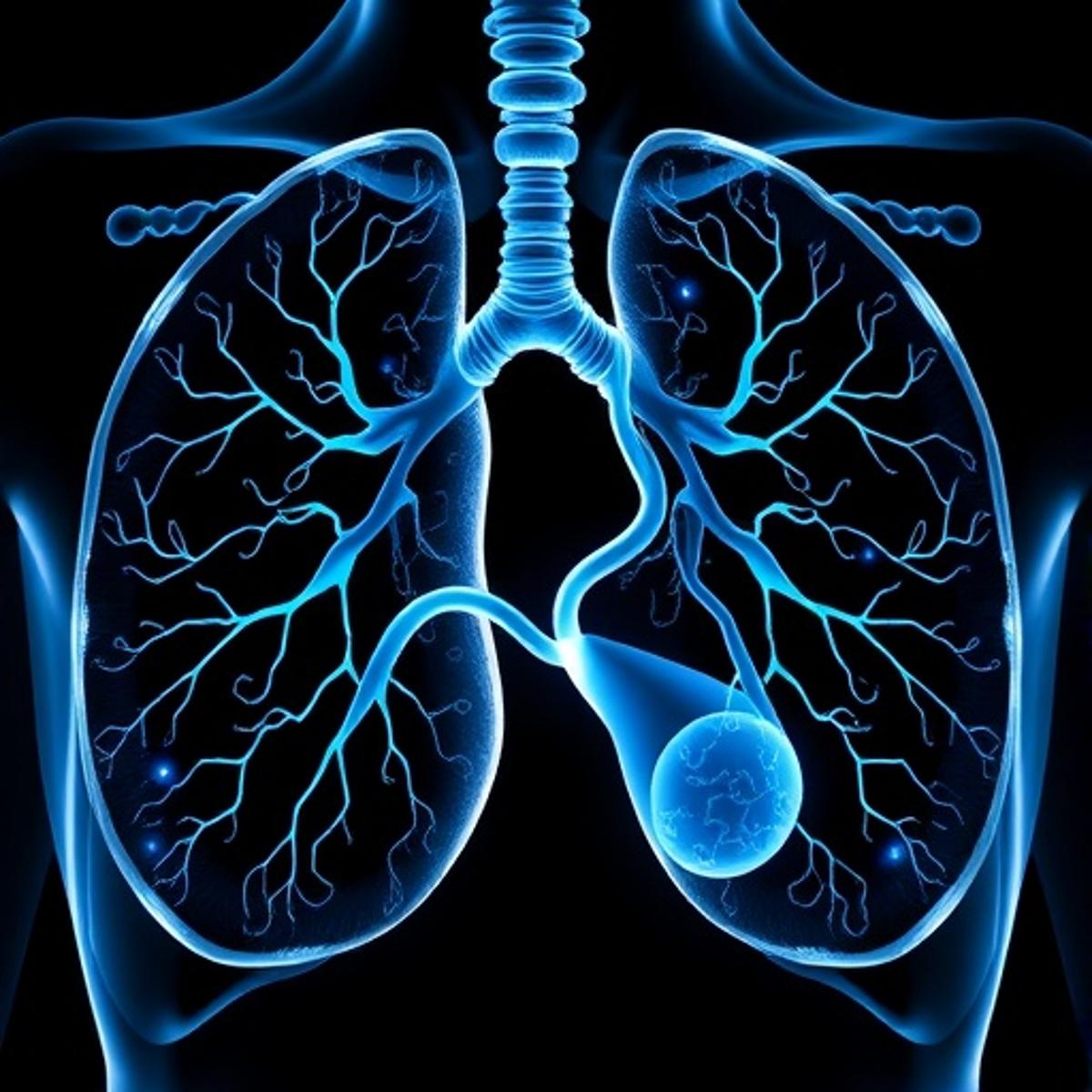
Multimodal Multitask AI Transforms Lung Cancer Grading
Why It Matters
By delivering highly accurate, multi‑endpoint predictions from diverse data sources, the AI system can streamline NSCLC diagnosis, personalize therapy choices, and potentially improve survival rates. Its privacy‑preserving design also eases regulatory hurdles, accelerating real‑world deployment.
Key Takeaways
- •A multimodal AI model grades NSCLC with >0.90 AUC-ROC
- •Integrates histology, CT scans, and molecular data for predictions
- •Simultaneously predicts grading, staging, and survival, improving clinical decisions
- •Federated learning preserves privacy while enabling multi‑institution training
Pulse Analysis
Non‑small cell lung cancer remains a leading cause of cancer mortality, largely because its heterogeneous biology hampers precise grading and treatment selection. Traditional pathology relies on visual assessment of tissue slides, which can miss subtle molecular cues that influence prognosis. Recent advances in artificial intelligence have opened pathways to combine imaging, genomic, and proteomic data, offering a more holistic view of tumor behavior. This convergence aligns with the broader precision‑medicine movement, where clinicians seek data‑driven insights to tailor interventions for each patient.
The newly reported multimodal multitask network leverages convolutional neural networks for each data modality and unifies them through attention‑based fusion layers. By training on thousands of paired histology slides, CT images, and molecular profiles, the system learns to weigh the most informative features for each clinical endpoint. Its multitask architecture—simultaneously tackling grading, staging, and survival prediction—boosts robustness, as shared representations capture inter‑task relationships often ignored by single‑task models. Reported performance metrics, including an AUC‑ROC exceeding 0.90 for tumor grading, surpass conventional pathology benchmarks and earlier AI attempts, indicating a meaningful leap in diagnostic accuracy.
Beyond raw performance, the study emphasizes practical integration into clinical workflows. An interactive dashboard presents model outputs alongside raw images, complete with uncertainty estimates, enabling pathologists and oncologists to validate AI suggestions. Federated learning safeguards patient privacy while allowing multi‑center model refinement, addressing a key regulatory concern. Looking ahead, the framework could be extended to other cancers or chronic diseases that generate multimodal data, and prospective trials will determine its impact on treatment outcomes. As healthcare embraces AI‑augmented decision‑making, such comprehensive, privacy‑aware platforms are poised to become cornerstones of next‑generation oncology care.
Multimodal Multitask AI Transforms Lung Cancer Grading
Comments
Want to join the conversation?
Loading comments...