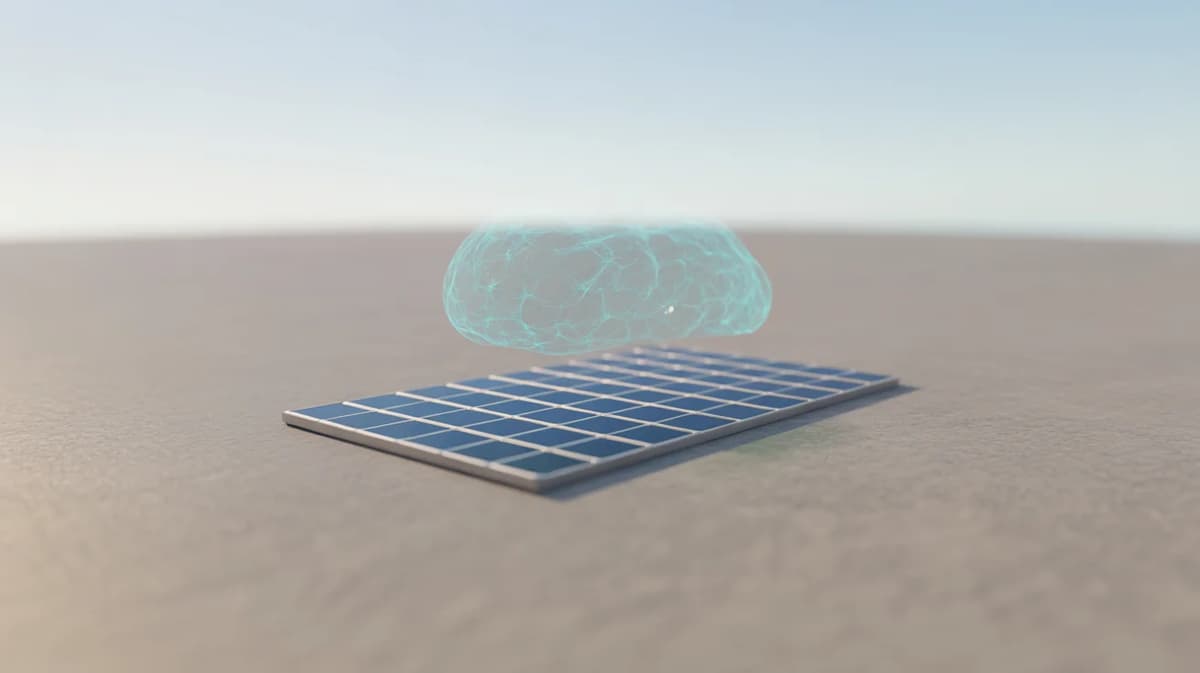
Musk’s xAI to Build Small Solar Farm Adjacent Colossus Data Center
•November 26, 2025
0

Companies Mentioned

Why It Matters
The move highlights the tension between AI’s massive energy appetite and the push for cleaner, community‑friendly power sources, influencing industry standards and regulatory scrutiny.
Key Takeaways
- •30 MW solar farm on 88 acres beside Colossus data center.
- •Solar paired with 100 MW battery storage for continuous power.
- •USDA provides $414 M interest‑free loan for project financing.
- •xAI still runs 400 MW gas turbines, sparking community backlash.
- •Pollution spikes in Boxtown raise environmental justice concerns.
Pulse Analysis
AI model training consumes unprecedented electricity, prompting data‑center operators to seek reliable, high‑density power. xAI’s Colossus facility, one of the world’s largest AI hubs, currently relies on a fleet of natural‑gas turbines that emit significant nitrogen‑oxides, aggravating air‑quality issues in the surrounding Black‑majority neighborhood of Boxtown. The environmental fallout has drawn lawsuits and heightened scrutiny from both local activists and federal watchdogs, underscoring the broader challenge of reconciling AI growth with climate and health goals.
In response, xAI is deploying a 30‑megawatt solar farm on an 88‑acre parcel next to the data center, complemented by a 100‑megawatt battery system that smooths intermittent generation into a steady supply. The project leverages a $414 million interest‑free loan from the U.S. Department of Agriculture, reflecting federal willingness to back clean‑energy infrastructure even as other climate grants face cuts. By pairing solar with storage, xAI aims to offset a portion of its power draw, reducing reliance on fossil‑fuel turbines and signaling a tentative shift toward greener operations.
The development carries strategic implications for the AI industry. If successful, it could set a precedent for integrating renewable micro‑grids into high‑intensity compute sites, prompting competitors to adopt similar models to meet ESG expectations and avoid community backlash. Regulators may also tighten permitting processes for temporary turbines, accelerating the transition to sustainable power. Ultimately, xAI’s solar‑plus‑battery initiative illustrates how AI firms must balance rapid scaling with environmental responsibility, a dynamic that will shape investment, policy, and public perception in the years ahead.
Musk’s xAI to build small solar farm adjacent Colossus data center
0
Comments
Want to join the conversation?
Loading comments...